Shortlisted for the Chico Mendes Prize
About the research
Overview
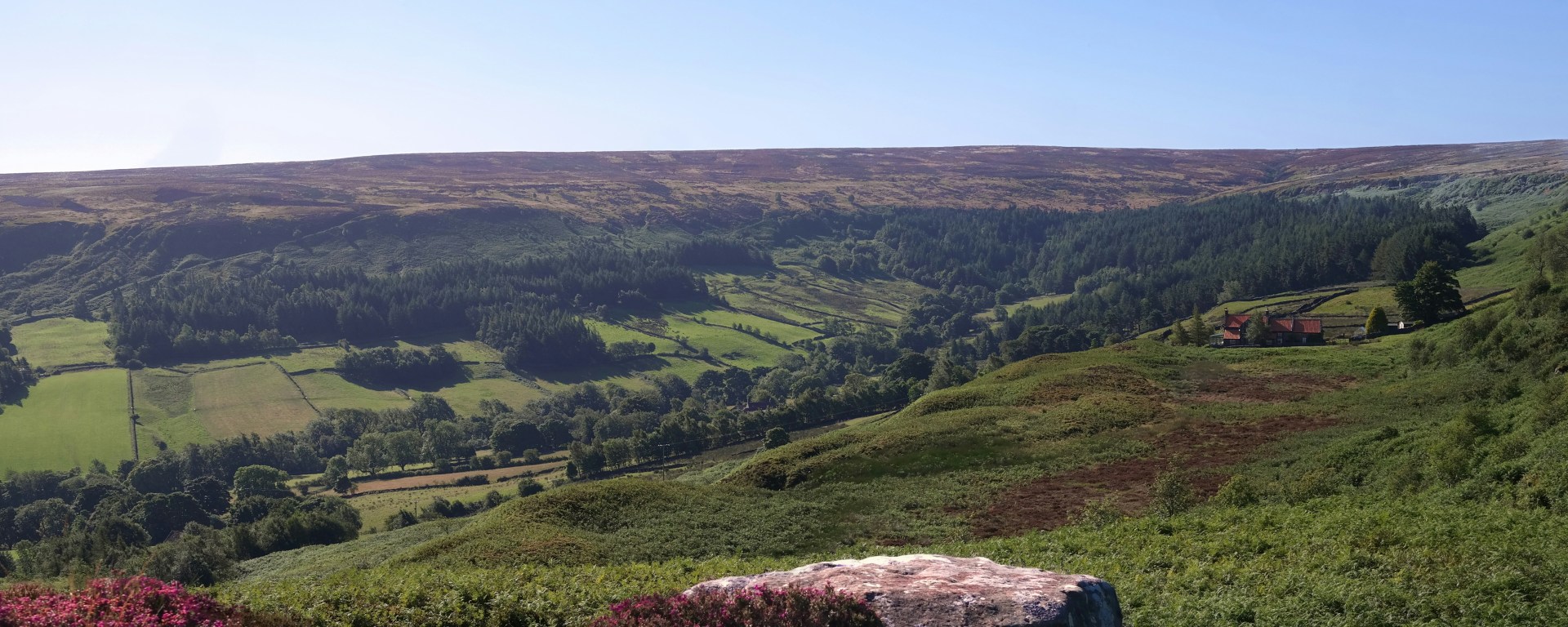
We investigate how Nature-based Solutions (NbS) have been applied within the Farming in Protected Landscapes programme in the North York Moors National Park, analysing how different interventions contribute to biodiversity, ecosystem services and climate adaptation. Our research identifies common archetypes and approaches across 31 projects, such as ecological restoration, water quality enhancement, tree planting and nature-connection activities, to understand how NbS are delivered and what barriers and opportunities exist for their effective implementation. We aim to inform better policy and practice for NbS in protected landscapes globally.
Surprises and challenges
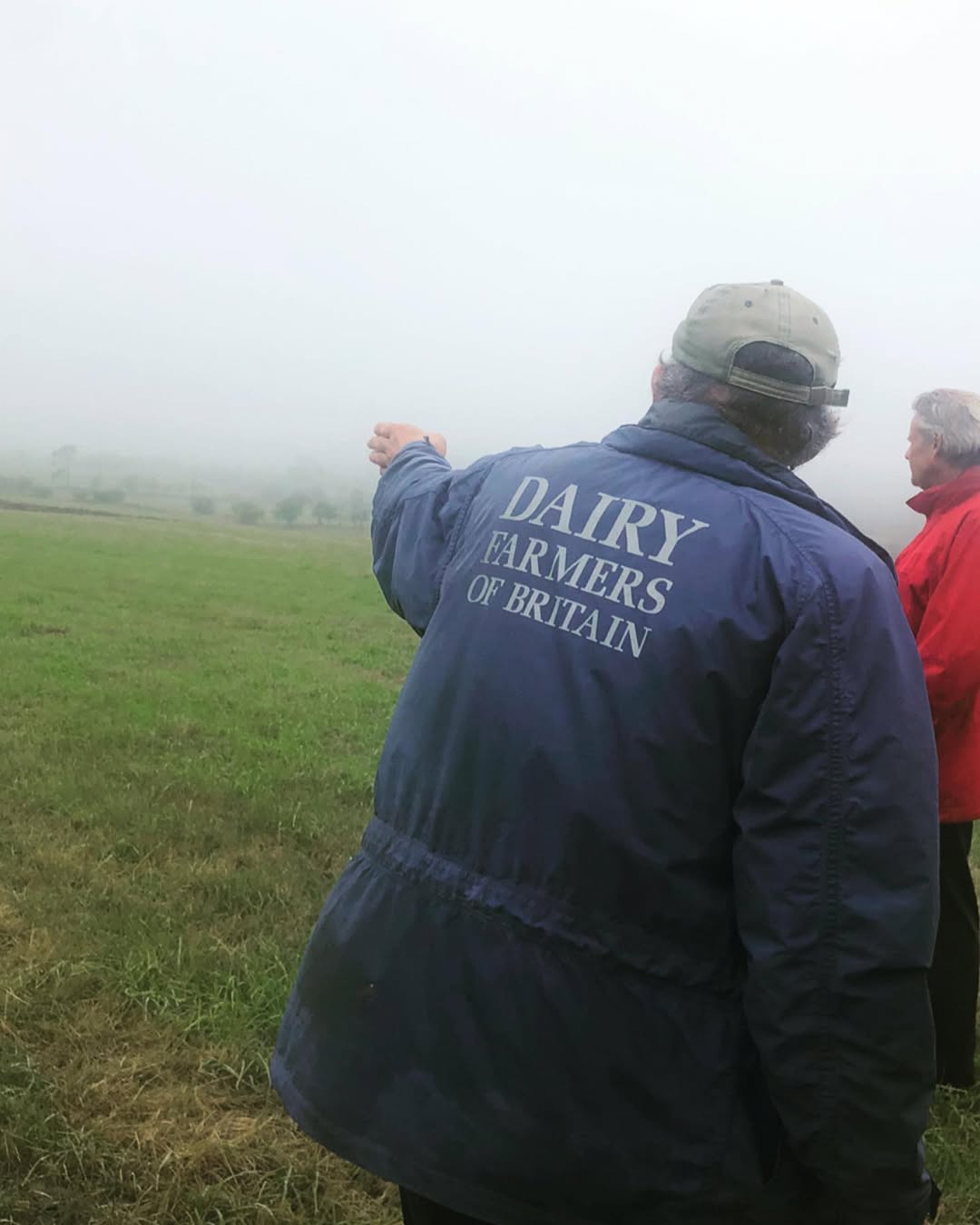
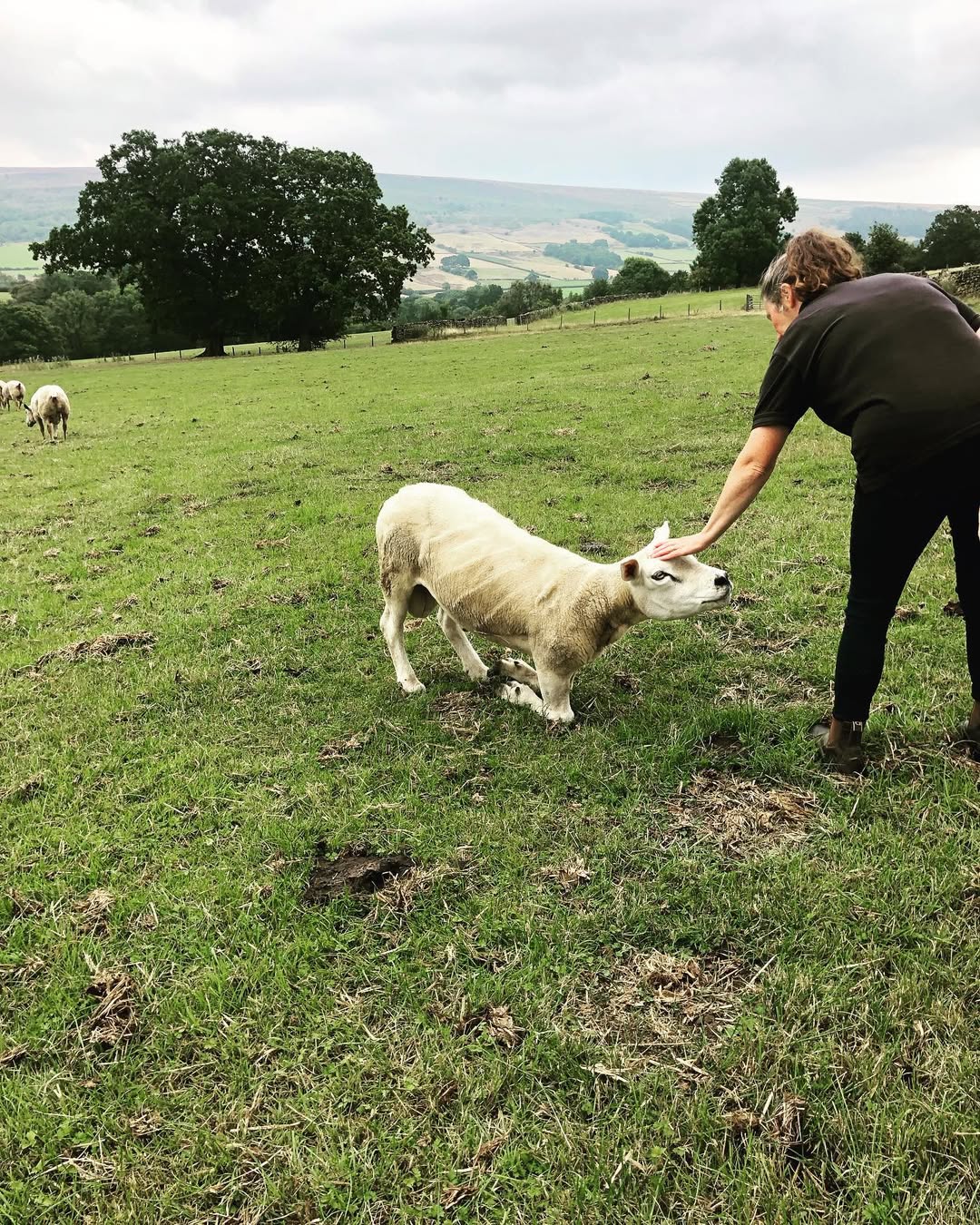
We were most surprised by how Nature-based Solutions and the Farming in Protected Landscapes programme operate in practice. Engaging directly with farmers—observing their daily realities, concerns and genuine commitment to environmental stewardship—revealed the complexity behind what can appear straightforward in theory. Ideas that seemed conceptually elegant became far more complex when balanced against livelihoods and rural socio-economic pressures. Our greatest challenge was data management, as the programme was in its early stages and lacked baseline information for comparison. We also had to develop an analytical framework capable of capturing the multiple, interconnected benefits of NbS.
Next steps and broader implications
When we conducted our study, the programme had been running for only ten months; nearly five years later, there is now a valuable opportunity to evaluate its longer-term ecological and socio-economic outcomes. The next step would be to integrate additional biodiversity assessment tools—such as satellite imagery, ecological monitoring and remote sensing—to strengthen the evidence base around interventions delivered through the Farming in Protected Landscapes (FiPL) programme. Expanding the temporal scope to include longitudinal monitoring would allow us to move beyond short-term outputs and assess sustained ecosystem recovery, resilience and community benefits.
For future research, we see strong potential in developing standardised indicators that enable comparison across protected landscapes, alongside mixed-method approaches that combine ecological metrics with social data. Greater co-design with farmers and local stakeholders will also be essential to ensure that Nature-based Solutions remain context-sensitive, scalable and socially equitable.
Our research offers insights that extend far beyond the Farming in Protected Landscapes case study. By identifying archetypes of Nature-based Solutions (NbS) and examining how they function in practice, we provide a framework that policymakers and practitioners can use to design, implement and evaluate NbS more effectively in protected and agricultural landscapes. This has implications for local land-use planning, agri-environment schemes, incentives and monitoring frameworks, supporting evidence-based decisions that balance ecological objectives with farmers’ livelihoods. At an international level, our work contributes to dialogues on how NbS can be mainstreamed into broader climate, biodiversity and rural development policies, helping to align local actions with global commitments under biodiversity and climate agreements.
About the author
Current position
I currently work in the environmental sector, contributing to sustainability-focused initiatives and collaborative projects linked to Nature-based Solutions. Alongside my professional work, I continue supporting environmental efforts in Mexico, working with colleagues on initiatives that strengthen local capacity and community engagement.

I am also actively involved in mentoring and supporting women pursuing careers in STEM, particularly those interested in environmental fields. As a woman in STEM myself, I am committed to encouraging greater representation, confidence and leadership among young women navigating scientific and sustainability-related careers.
In parallel, I am developing an independent book project outside the environmental field, reflecting my broader intellectual and creative interests.
Getting involved in ecology
I grew up in Mexico, where natural disasters are frequent and their impacts are often intensified by social and economic inequality. Witnessing water conflicts in my community and seeing how vulnerable groups were disproportionately affected shaped my perspective from an early age. These experiences motivated me to engage in environmental initiatives locally.
During my first degree, I led a university sustainability project promoting alternatives to single-use plastics through research, interviews and awareness campaigns. I also participated in tree-planting and recycling initiatives. These experiences taught me that ecology is inseparable from social justice, resilience and community collaboration.
Current research focus
The project was an intense and deeply rewarding experience. While I have not formally extended the exact study, its continuation forms part of my longer-term academic plans. I am currently exploring the possibility of developing this research further through a PhD, which would allow me to examine its longer-term ecological and social impacts in greater depth.
In the meantime, working in the environmental sector has enabled me to apply many of the insights gained from the research in practical contexts. Moving between academia and professional practice has revealed important differences, but also valuable complementarities in translating evidence into real-world implementation.
Advice for fellow ecologists
My advice would be to embrace both complexity and courage. Environmental work is rarely linear; it requires navigating uncertainty, working across disciplines and engaging with people whose realities may differ greatly from our own. Diverse experiences—whether academic, professional or community-based—can strengthen your perspective and impact.
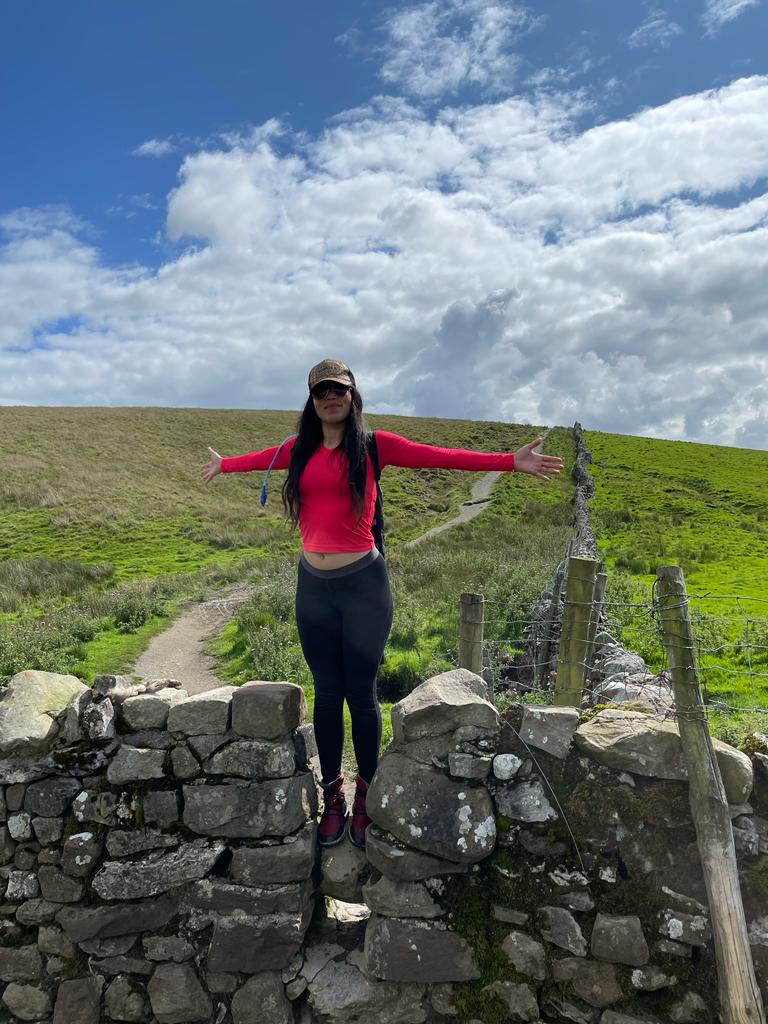
Stay grounded in the communities your research or practice is meant to serve. Listen carefully, especially to those most affected by environmental change. And most importantly, believe that your voice belongs in this field. We need more diverse leadership, more collaboration and more empathy if we are to design solutions that are not only scientifically sound, but socially just and lasting.
Read the full article Archetypes of nature-based solutions for farming in the North York Moors National Park in Ecological Solutions and Evidence.
 The Applied Ecologist