
Shortlisted for the Georgina Mace Prize
About the research
Overview
Our research produced an ecological monitoring framework for practitioners developing nature-based solutions (NbS) projects. Biodiversity should be at the heart of NbS, underpinning the benefits they provide to humans. Being able to effectively track above- and below-ground biodiversity outcomes of projects is key, but can be an overwhelming task for practitioners, faced with a wide array of metrics to choose from.
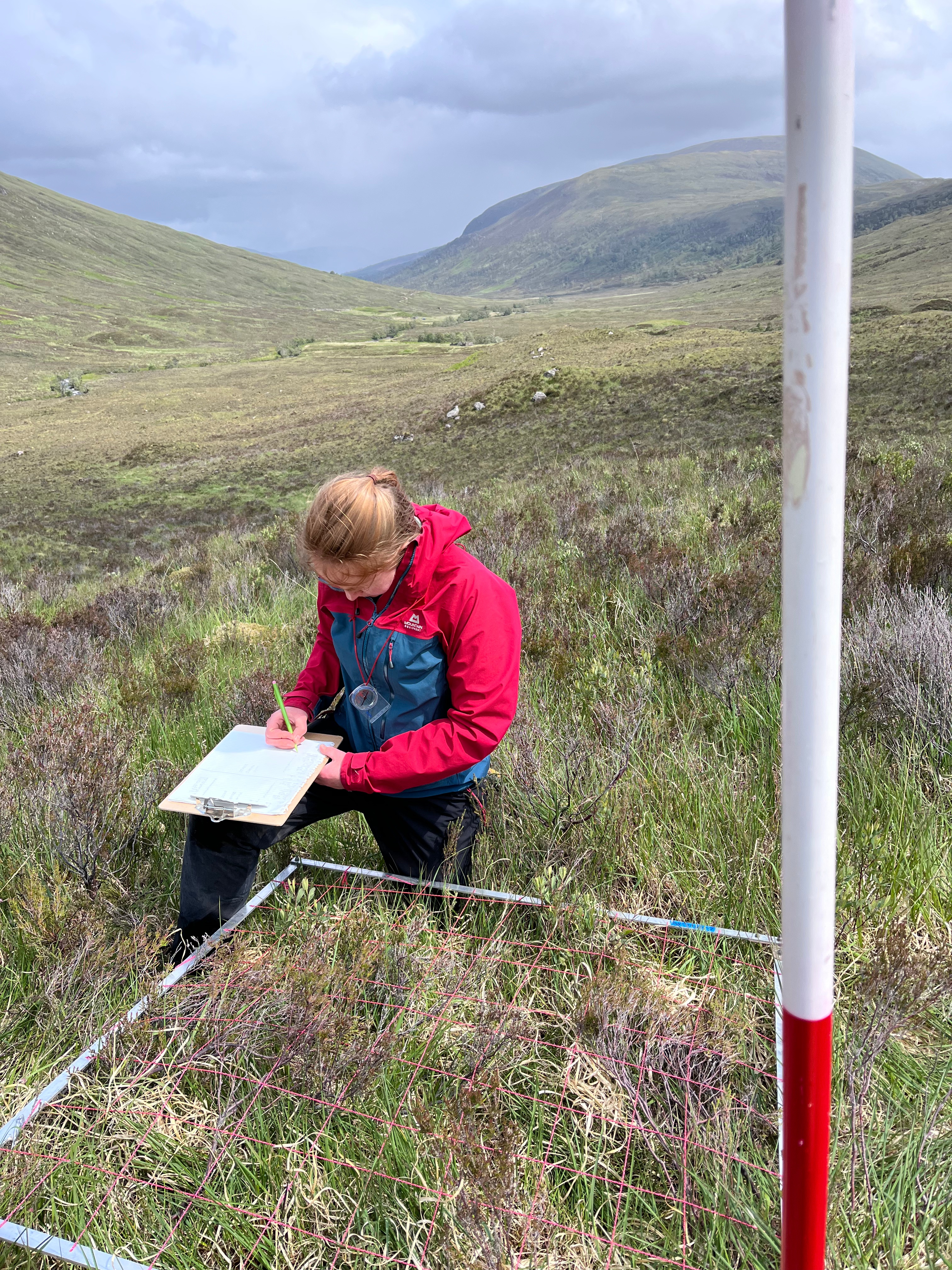
We wanted to synthesise the huge amount of information available on assessing biodiversity and soil health, providing clear explanations of how different metrics can track the ecological outcomes of projects, and ranking them by how informative each metric is and how feasible data is to collect. There are also often many different methodologies available to collect data, so we linked the metrics to standardised data collection methodologies. We hope our framework provides an effective tool for simplifying the monitoring process in NbS.
Surprises and challenges
One challenge was the sheer amount of information we had to work through to produce the resulting monitoring framework. I could really see how a seemingly simple question, “how do we monitor biodiversity?”, was actually surprisingly complex! As an ecologist who is usually field based there were times when the task felt potentially endless. But this was a team effort, and working with Dr Licida Guiliani and Dr Grant Campbell, who were the soil health specialists on the project, we were able to break down the process between us.
Next steps and broader implications
The most satisfying part of this research has been sharing our frameworks with the practitioner community. Initially through the network of practitioners associated with the Agile Initiative research sprint that our work was part of. But since then, more widely, contributing to webinars run by WWF and Birdlife International for their NbS practitioner communities. We hope the web-based platform that was developed to share the framework will provide a useful one-stop shop for practitioners developing NbS monitoring approaches.
About the author
Current position
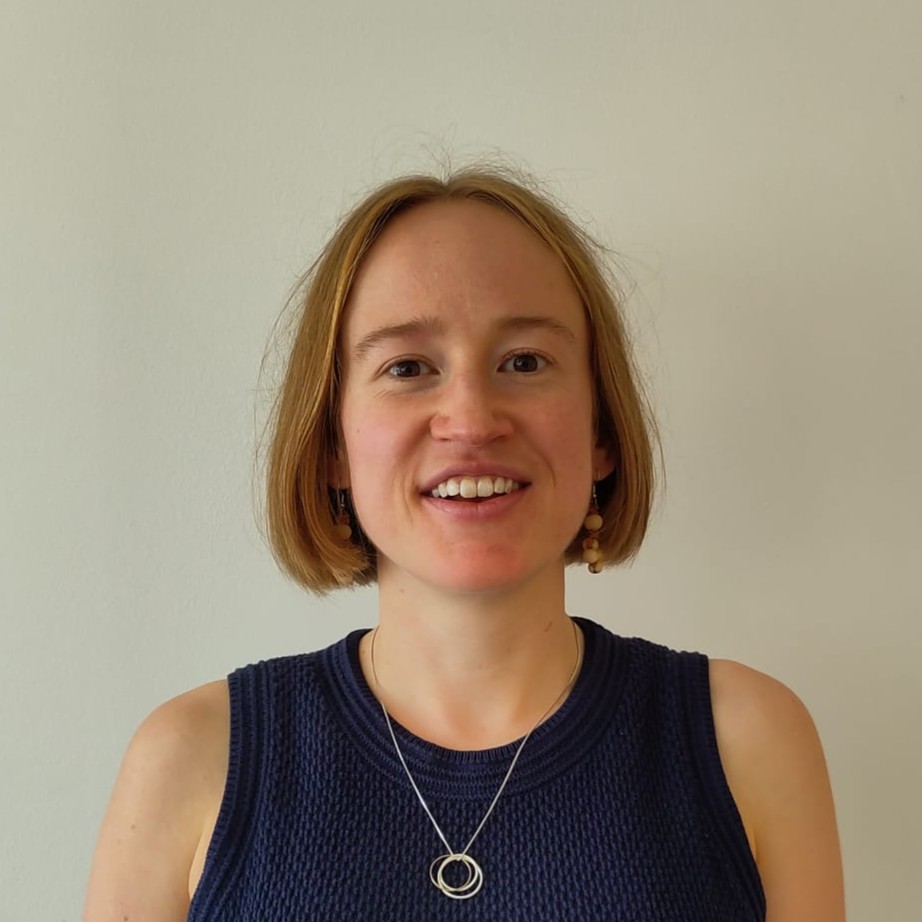
I am currently a postdoctoral researcher in the Leverhulme Centre for Nature Recovery at the University of Oxford, where my research has primarily focussed on native woodland restoration in the UK, particularly the restoration of Scotland’s upland woodlands. I am about to start a Defra R&D Fellowship, and I am looking forward to gaining a better understanding of how scientific evidence feeds into policy development.
Getting involved in ecology
Like so many ecologists, I started out with a childhood love of the natural world, and as I grew up and realised the extent to which it is under threat, I was increasingly motivated by a desire to play a role in protecting and restoring it. So, studying and working in ecology felt like a very natural fit. I have had the privilege of spending a lot of time in the field, and understanding more about the species in an ecosystem and how they interact with each other and the abiotic environment has only enhanced my love of spending time in nature.
Current research focus
The work I did for this paper links to a project I am working on in the Leverhulme Centre for Nature Recovery, looking at how we can assess ecological health in nature recovery projects. Assessing biodiversity is also so fundamental to everything that we do as ecologists, that I have found it has contributed to developing my data collection approaches for field-based projects I have conducted since.
Advice for fellow ecologists
I have also worked in ecology in the NGO sector and collaborated extensively with practitioners. Looking at research through the lens of how it can support work on the ground, with a lot of input and advice from colleagues deeply involved in UK nature recovery, has really helped me to produce research that I hope can contribute to action for nature recovery at a time when it is critically needed. So, my advice would be to have as wide a range of collaborators as possible, particularly the people who will be working with the evidence you produce.
Read the full article Integrated above- and below-ground ecological monitoring for nature-based solutions in Ecological Solutions and Evidence.
 The Applied Ecologist