Shortlisted for the Chico Mendes Prize
About the research
Overview
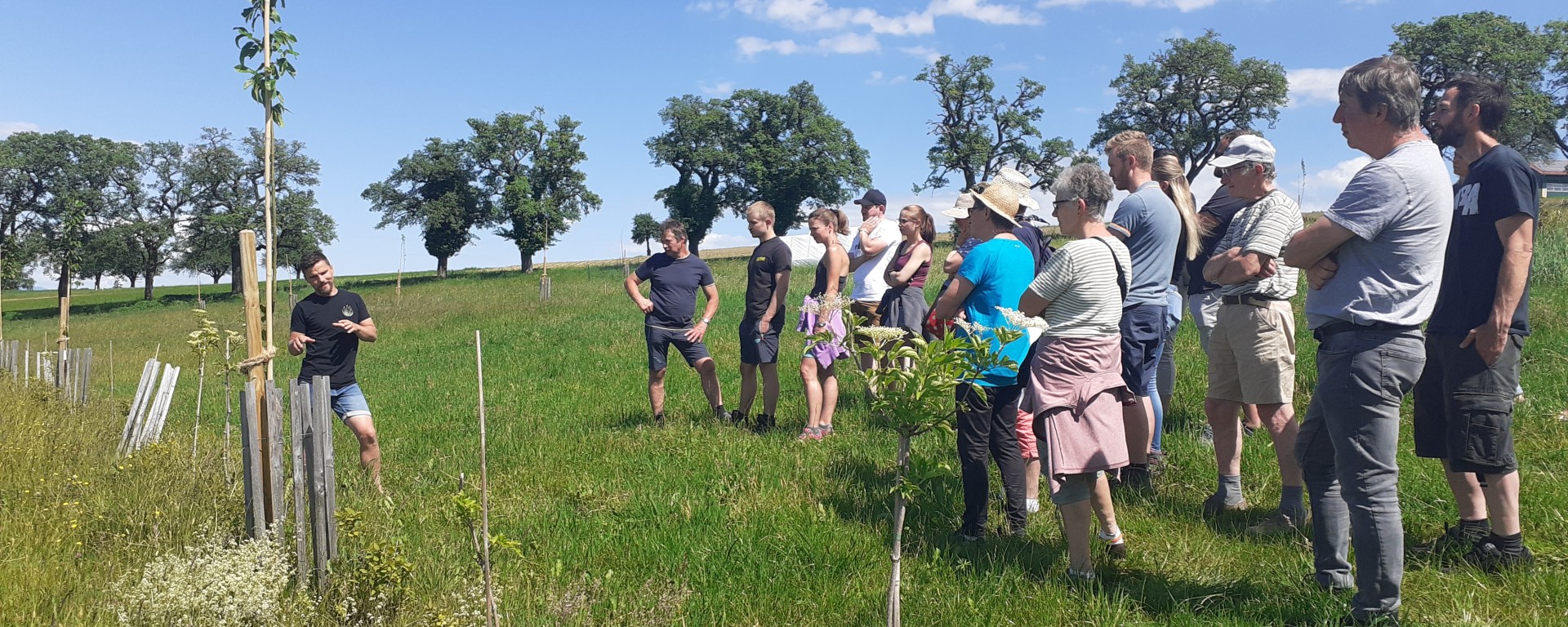
Farmer Clusters are groups of neighbouring farmers that come together to select their own biodiversity targets in a “bottom-up” approach and therefore offer an amazing opportunity to tackle agricultural biodiversity declines across the landscape. They allow farmers to take control of the conservation initiatives on their land, each tailored to their specific goals, and work collaboratively across the landscape with expert advice from a facilitator.
However, Farmer Clusters are a UK initiative, and although Europe does have instances of collaborative farming, the Farmer Cluster approach was relatively new. Therefore, we experienced multiple challenges during the course of the project. This paper is intended as a practitioner tool for any future facilitators, land managers, stakeholders or researchers that want to replicate the Farmer Cluster model within Europe (and beyond).
Challenges
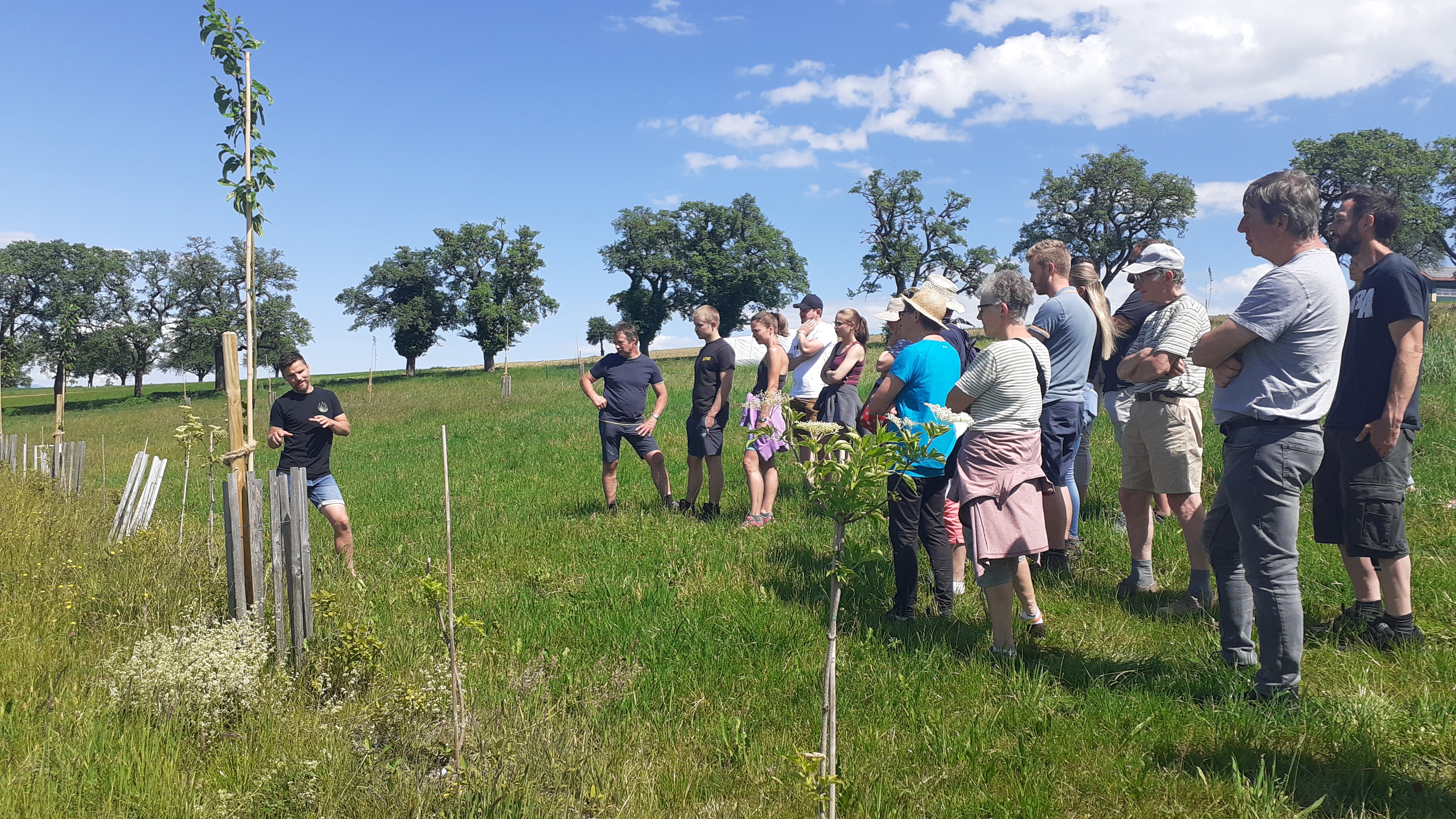
We encountered some cultural challenges during the project. Some countries in the study had previously been under communist governments, and where historically farmers had been forced to work collaboratively, it was a strange idea to them to begin doing this again now that they no longer had to by law, and they were a bit reluctant to begin with.
Additionally, the project started just before the Covid-19 outbreak, and so where the typical advice would be to gather the farmers for an initial in-person meeting to establish the group when first forming, this just wasn’t possible. Instead, the farmers and facilitators had to rely heavily on online meets and phone calls to establish the group, making it a slightly slower process.
Funding was also a challenge. Whereas agri-environment schemes and government payments for these are well established in the UK, this is not the case in all European countries, and there was a much heavier dependence on economic stakeholders or self-funding the activities.
Next steps and broader implications
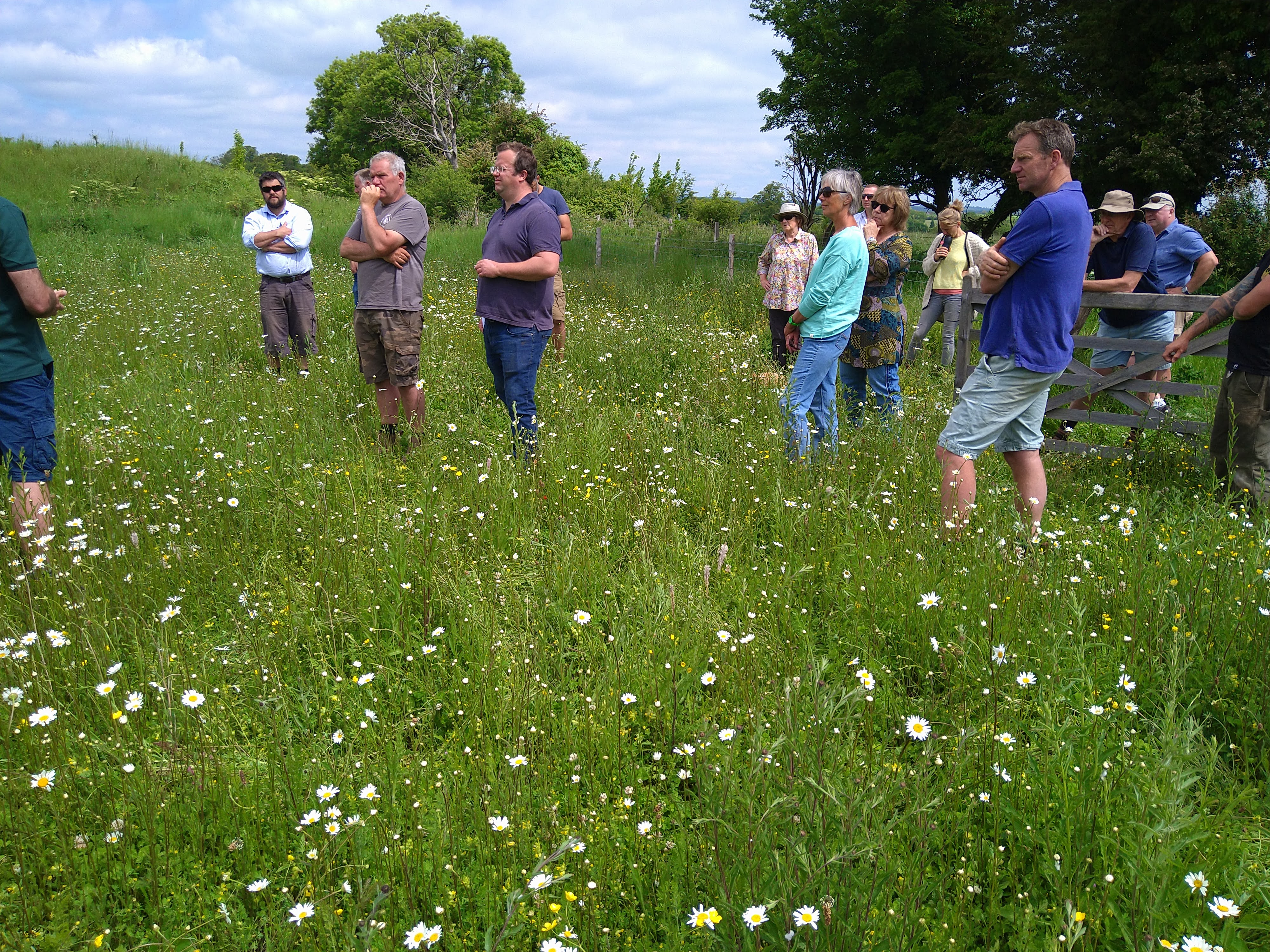
It would be great to see the implementation of a “Facilitation Fund” across Europe. This is a government fund already present in the UK that pays for a part-time facilitator for a Farmer Cluster, therefore covering a portion of the fees that the farmers would otherwise have to self-fund.
About the author
Current position
I work in the Farmland Ecology Unit at the Game and Wildlife Conservation Trust as a post-doc research scientist. My main role over the past few years has been working on the FRAMEwork project which investigated the potential Farmer Clusters had to improve biodiversity across agricultural landscapes, and the project came to an end last year. Currently I am writing up research from the project, and looking at new funding opportunities that might include the Farmer Clusters that were established during the project.
Getting involved in ecology
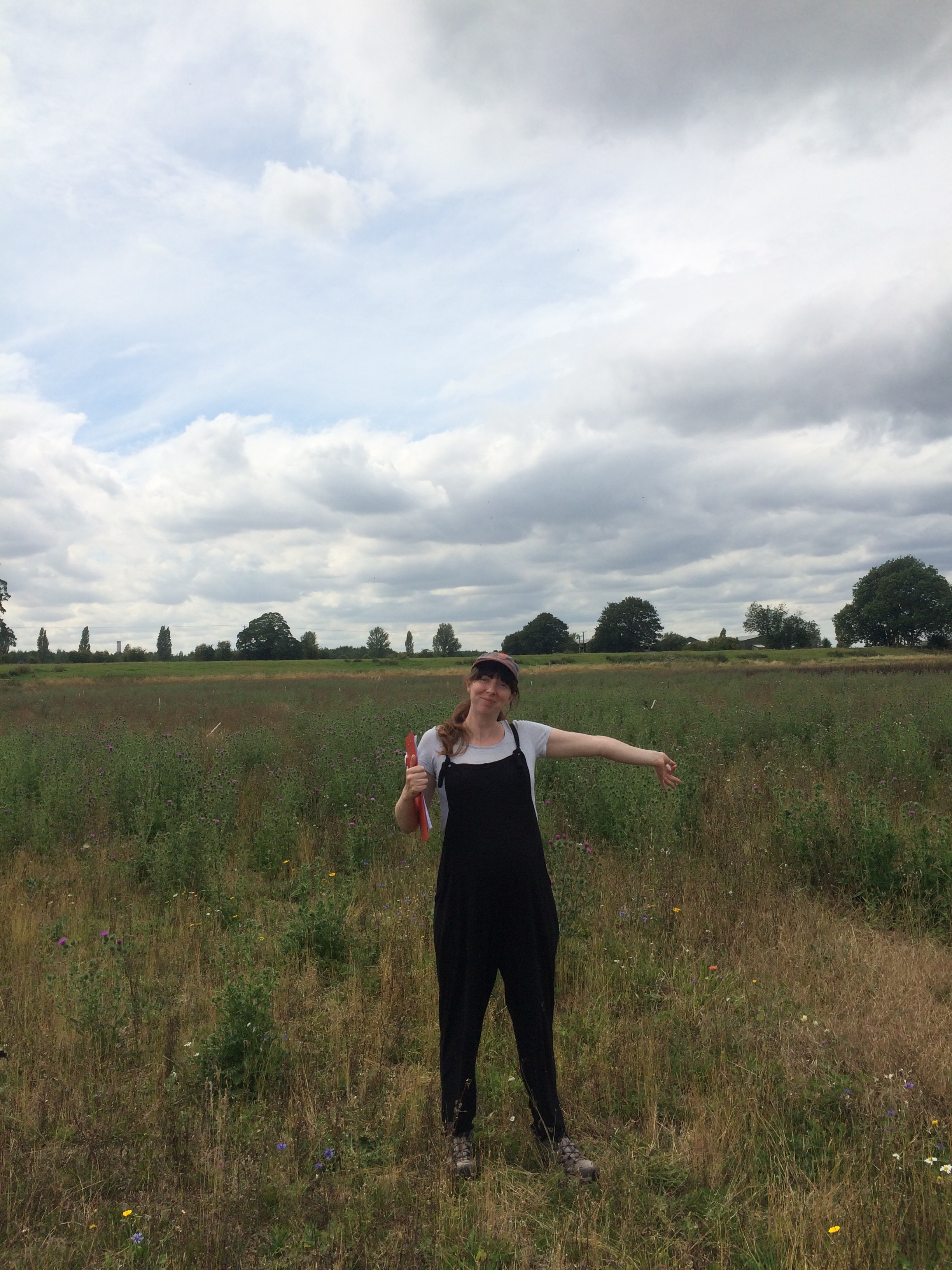
I’ve always been fascinated by wildlife in general, and my Undergraduate and Master’s degree both had a strong focus on behavioural ecology. When I began looking for potential PhD positions, I wanted to bring in a more applied element to my understanding of ecology and conservation, and I managed to secure a position that allowed me to work on improving farmland biodiversity through on-farm trials, and working with the farmers.
Advice for fellow ecologists
The best advice I can give is to always consider the end-user. It is so important to design the research around the people who are actually going to be implementing your conservation initiatives. Speak to them, get their opinions and insights, or even better, collaborate with them in a real-world scenario. Practitioners and land managers are key players in conservation, and ensuring they, the end-user, can put in place the conservation initiative your research is about, is vital.
Read the full article Forming and managing a Farmer Cluster for improved farmland biodiversity in Europe in Ecological Solutions and Evidence.
 The Applied Ecologist