Shortlisted for the Georgina Mace Prize
About the research
Palaeoecology – the ecology of the past – has much to offer in addressing complex conservation challenges. By providing a long-term perspective of ecological change, palaeoecology can provide insight on pre-disturbance conditions, long-term processes, and the responses of ecological systems to dynamic climatic and anthropogenic change. However, the persistence of a palaeoecology research – conservation practice gap has impeded efforts to integrate research into practical management, preventing palaeoecology from reaching its full potential in conservation practice.
Our paper aims to address this gap by presenting a framework of translational palaeoecology: an intentional process of collaboration for the purpose of creating practically relevant and actionable palaeoecological research. This framework was developed using the experiences and knowledge of both conservation professionals and palaeoecology researchers, which were shared in a workshop setting. These diverse perspectives provide insight on challenges that might impede the integration of palaeoecological research into practice and offer practical solutions that support effective collaboration. We present the framework of translational palaeoecology as a guide to support collaborative and actionable palaeoecological research, with key recommendations for both researchers and practitioners.
Our work highlights the importance of early and sustained collaboration between palaeoecologists and practitioners, through relationship-building, joint goal-setting, transparent and collaborative research practices, and shared research dissemination. We hope that the framework of translational palaeoecology can serve as a toolkit that can support those wishing to undertake collaborative research and further promote the integration of palaeoecology with conservation practice.
As next steps, further examples of translational palaeoecology in action are important for promoting both the value of palaeoecology in conservation practice and the need for collaborative working. Furthermore, expanding the boundaries of translational palaeoecology to include more diverse knowledge, perspectives, or practical settings could enhance the global applicability of the translational palaeoecology framework.
About the author
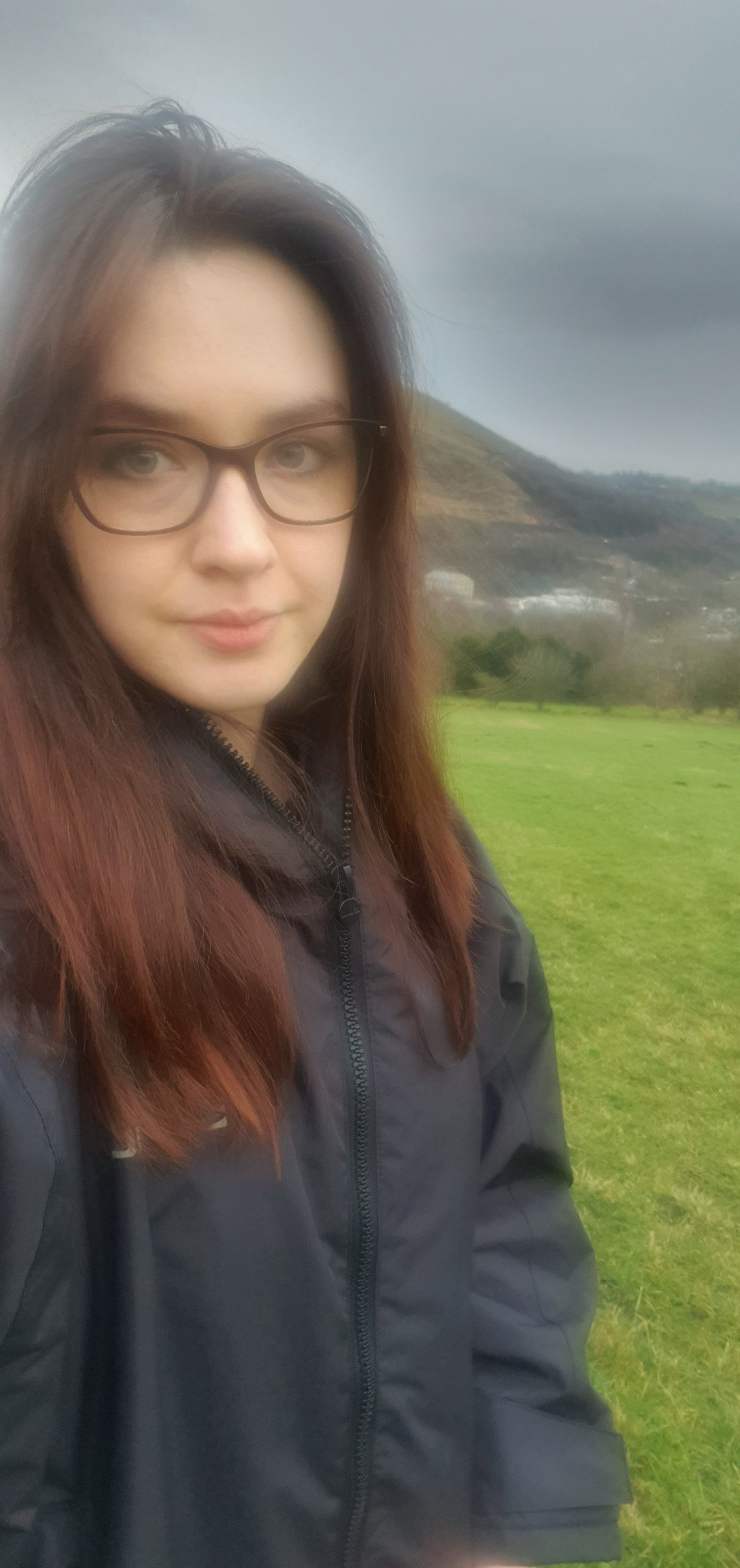
I became interested in palaeoecology during my undergraduate degree;
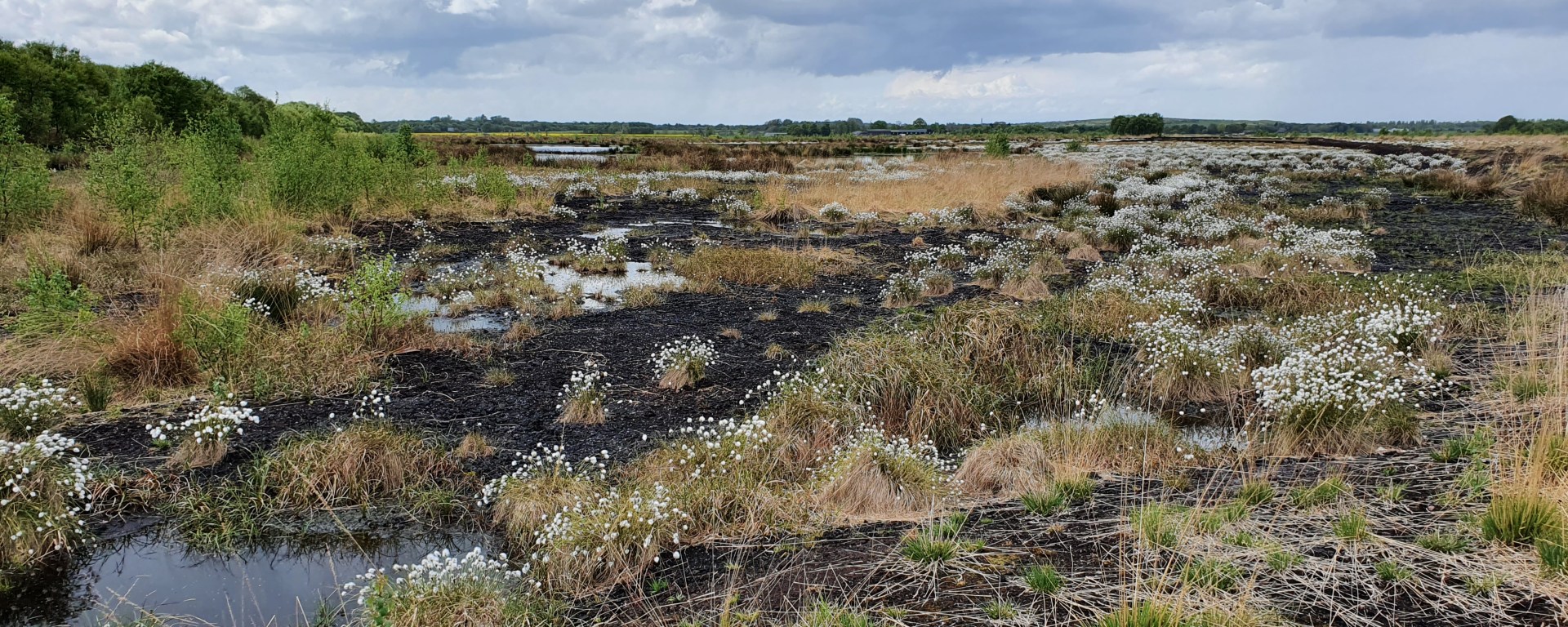
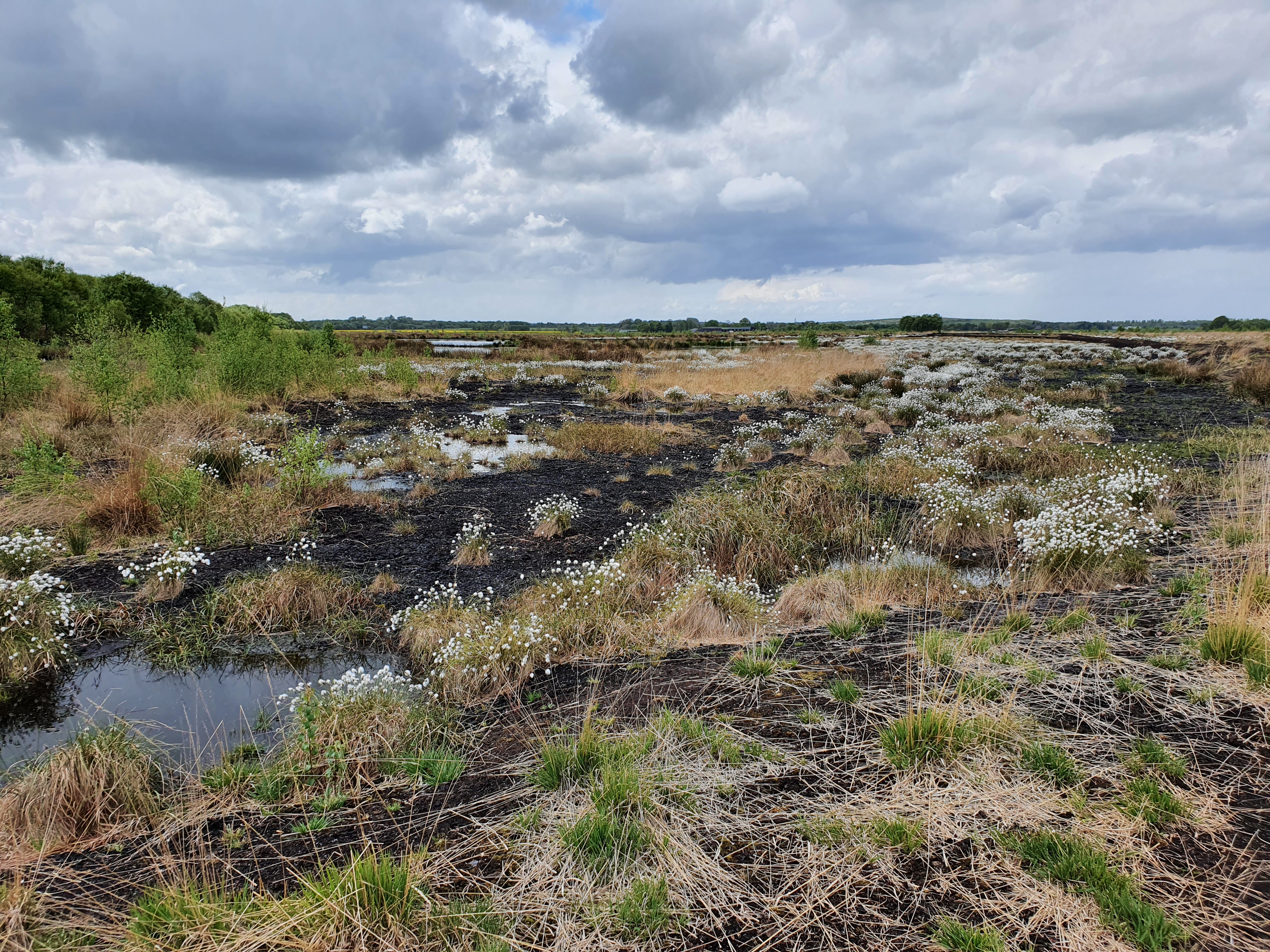
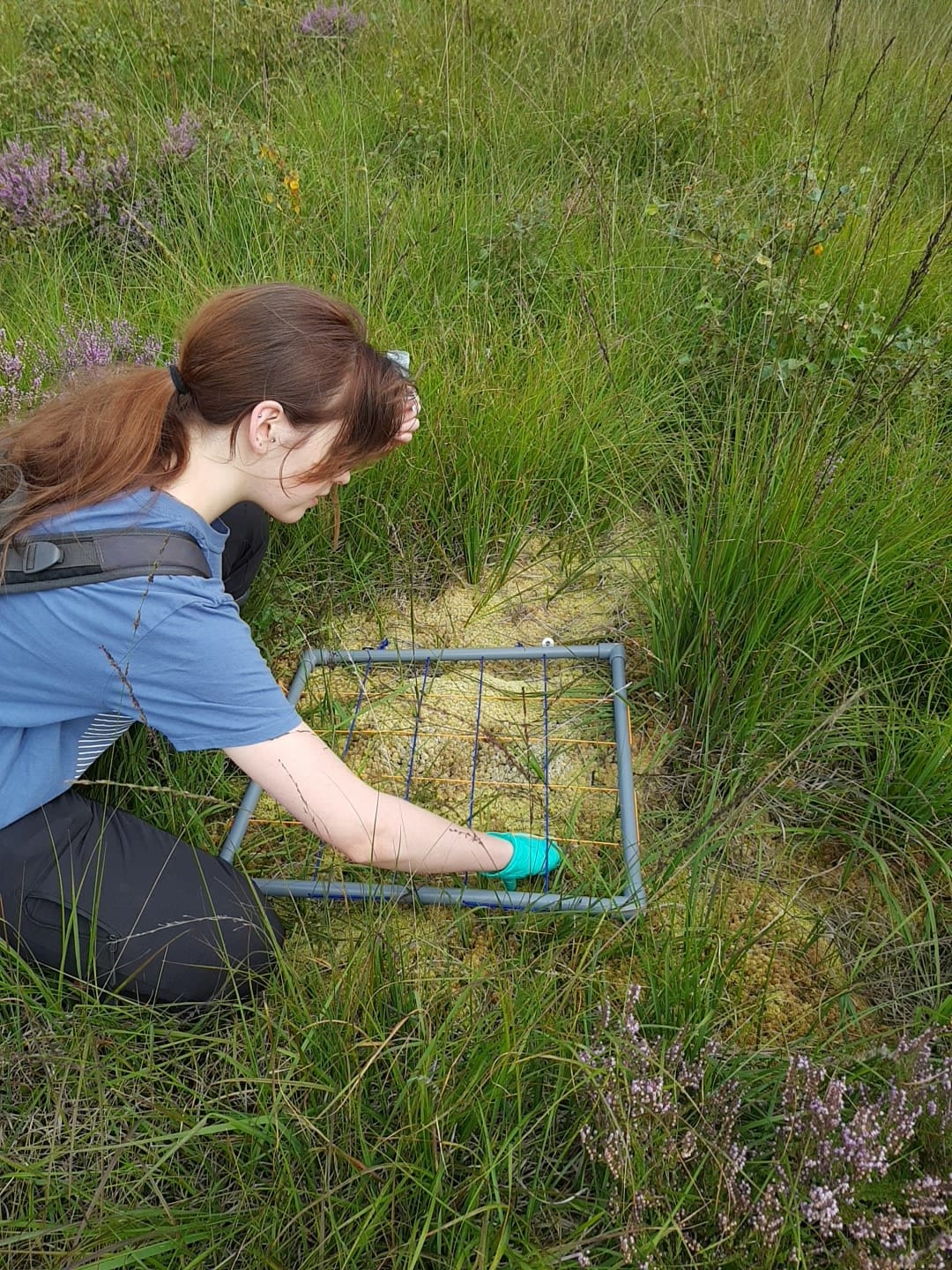
However, it was during my master’s degree, whilst standing on a peatbog, that I truly saw the relevance of palaeoecology for environmental conservation. This revelation led me to my PhD, where I looked at how palaeoecology could be used to support peatland restoration, and how working collaboratively with conservation practitioners can enhance the relevance and feasibility of research-based management implications. I have just finished my PhD and hope to continue work in this field, applying the framework of translational palaeoecology to further support environmental conservation work.
Read the full article Towards a process of translational palaeoecology: A practical guide to research co-production in Ecological Solutions and Evidence.
 The Applied Ecologist