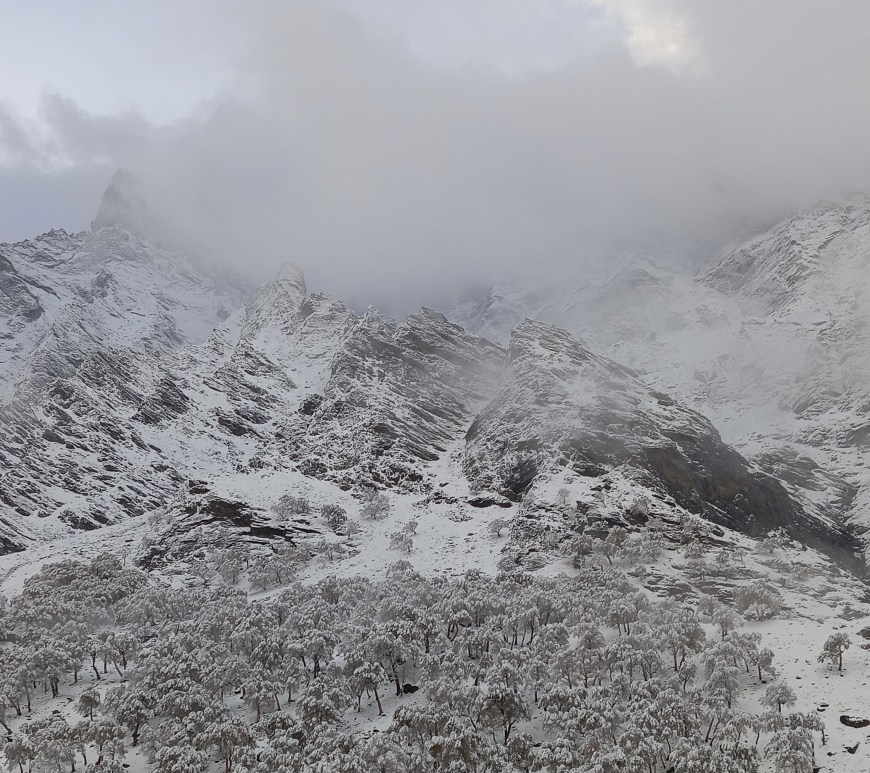
Munib Khanyari – Finding the ghosts: Snow leopard density and distribution in the multi-use region of Jammu and Kashmir, India

Shortlisted for the Georgina Mace Prize About the research Overview Jammu and Kashmir has been an extremely understudied area, especially its high elevation. Over 2 years of political instability has made this task even more challenging. In this paper, we wanted to first understand where snow leopards are found in Jammu and Kashmir. Following this large-scale survey, we then wanted to understand the status and … Continue reading Munib Khanyari – Finding the ghosts: Snow leopard density and distribution in the multi-use region of Jammu and Kashmir, India

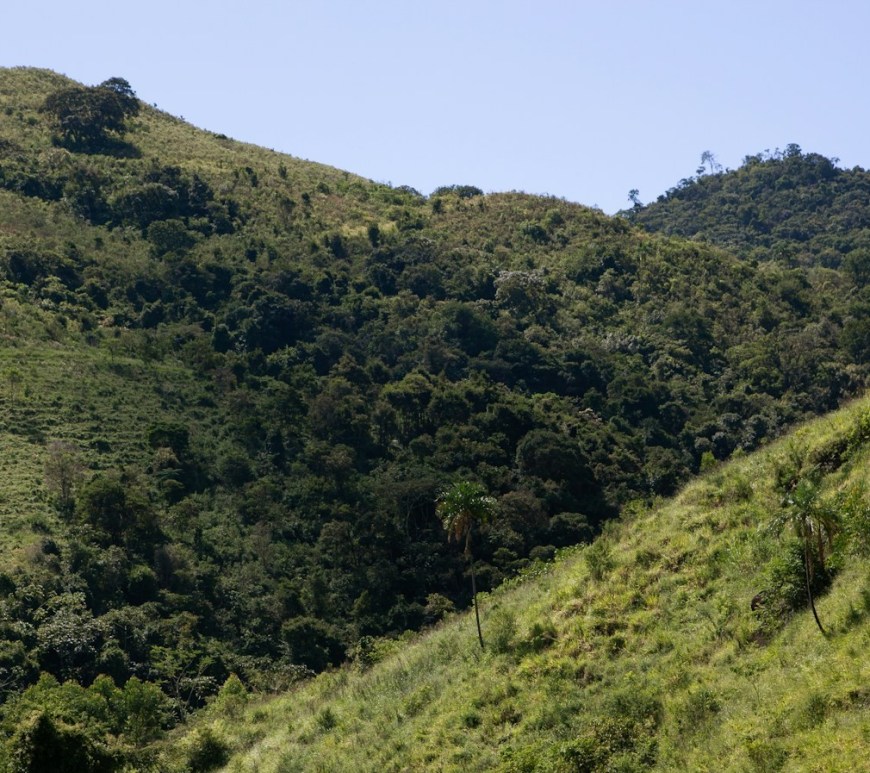
Juliano Zardetto: Widespread negative effects of Leucaena leucocephala (white-popinac) invasion on regenerating areas of the Atlantic Forest

Shortlisted for the Georgina Mace Prize About the research Overview Our research provides evidence on the severe impacts caused by a widespread invasive species in Brazil: Leucaena leucocephala (white-popinac). We reinforce the urgency of avoiding the use of white-popinac in restoration projects and agroforestry, and focusing on early detection and management in recently invaded areas. Against some common sense, we found that white-popinac invasions can … Continue reading Juliano Zardetto: Widespread negative effects of Leucaena leucocephala (white-popinac) invasion on regenerating areas of the Atlantic Forest

Emily Warner: Integrated above- and below-ground ecological monitoring for nature-based solutions

Shortlisted for the Georgina Mace Prize About the research Overview Our research produced an ecological monitoring framework for practitioners developing nature-based solutions (NbS) projects. Biodiversity should be at the heart of NbS, underpinning the benefits they provide to humans. Being able to effectively track above- and below-ground biodiversity outcomes of projects is key, but can be an overwhelming task for practitioners, faced with a wide … Continue reading Emily Warner: Integrated above- and below-ground ecological monitoring for nature-based solutions

Noelia Valderrama Bhraunxs – Great minds map alike: Citizen science can stand next to expert data (and why that matters for schistosomiasis)

Shortlisted for the Georgina Mace Prize About the research Overview Neglected tropical diseases often follow an uncomfortable rule: the people most affected are the ones least covered by surveillance. And if you cannot measure risk, you end up reacting late, or not at all. Schistosomiasis is a clear example. It affects more than 250 million people worldwide and disproportionately impacts people living in poverty. Around … Continue reading Noelia Valderrama Bhraunxs – Great minds map alike: Citizen science can stand next to expert data (and why that matters for schistosomiasis)

Georgina Mace Prize 2024: Winner Announcement

Ecological Solutions and Evidence is thrilled to announce the winner of our annual Georgina Mace Prize! This award is given to an outstanding article published in the journal by an author at the start of their career. The winner was selected by our Senior Editors who had to choose from our list of highly impressive short-listed authors. Winner: Kristy Ferraro Research: Missing carcasses, lost nutrients: … Continue reading Georgina Mace Prize 2024: Winner Announcement

Nancy Burrell: The inadequacy of current carbon storage assessment methods for rewilding

Shortlisted for the Georgina Mace Prize 2024 Nancy Burrell gives an insight into her team’s study investigating how carbon storage is measured and valued in rewilded landscapes. About the Research Overview Our research dives into a critical blind spot in carbon accounting—how we measure and value carbon storage in rewilded landscapes. While tree planting is often championed as the go-to climate solution, natural regeneration and … Continue reading Nancy Burrell: The inadequacy of current carbon storage assessment methods for rewilding

Sarah Kingsbury: A new tool for setting biodiversity management priorities adapted from aquatic invasive species management

Shortlisted for the Georgina Mace Prize 2024 Sarah Kingsbury shares insights into her team’s study investigating a new integrated management approach to better assess the effects and risks of aquatic invasive species on Atlantic salmon. About the Research Overview Our idea was to develop an integrated management plan to inform aquatic invasive species and Atlantic salmon management in Nova Scotia, Canada. Atlantic salmon is an iconic fish … Continue reading Sarah Kingsbury: A new tool for setting biodiversity management priorities adapted from aquatic invasive species management

Fredrick Ssali: Associations between Lantana camara and common native species

Shortlisted for the Georgina Mace Prize 2024 Fredrick Ssali discusses his team’s study on the impact the invasive flowering plant Lantana camara has on common native species in western Uganda. About the Research Overview The shortlisted paper “Associations between Lantana camara L. (Verbenaceae) and common native species in an African savanna” is an output of a team of four Ugandan researchers. We explored associations between … Continue reading Fredrick Ssali: Associations between Lantana camara and common native species

Ruth Dunn: Marine bird abundance estimates during the non-breeding season

Shortlisted for the Georgina Mace Prize 2024 Ruth Dunn shares her team’s research investigating the number of marine birds that may be undetectable when underwater during at-sea surveys outside of their breeding seasons. About the Research Overview The aim of our paper was to help improve the accuracy of marine bird abundance estimates generated from at-sea surveys. We did this by calculating correction factors that … Continue reading Ruth Dunn: Marine bird abundance estimates during the non-breeding season

Micha V. Jackson: Shorebird habitat selection and foraging behaviour

Shortlisted for the Georgina Mace Prize 2024 Micha V. Jackson discusses her team’s research looking into the distribution of shorebirds and their feeding behaviour within a wetland to better understand habitat selection and quality. About the Research Overview Shorebirds undertake some of the most spectacular migrations on earth, but are also one of the world’s most threatened bird groups – especially in the Australasian region. … Continue reading Micha V. Jackson: Shorebird habitat selection and foraging behaviour