From Industrial Legacy to Ecological Recovery: Tracking the Revival of the Afon Ebbw Fach
By Ahmed, Olivia, Moritz, and Sophie from the Centre for Environment and Sustainability, University of Surrey
The Legacy of Coal
As Environment and Sustainability students, we recognise that aquatic biodiversity is imperative to achieving the UN’s Sustainable Development Goals. Rivers are complex systems; polluting one creates a positive feedback loop with uncertain ecological consequences.
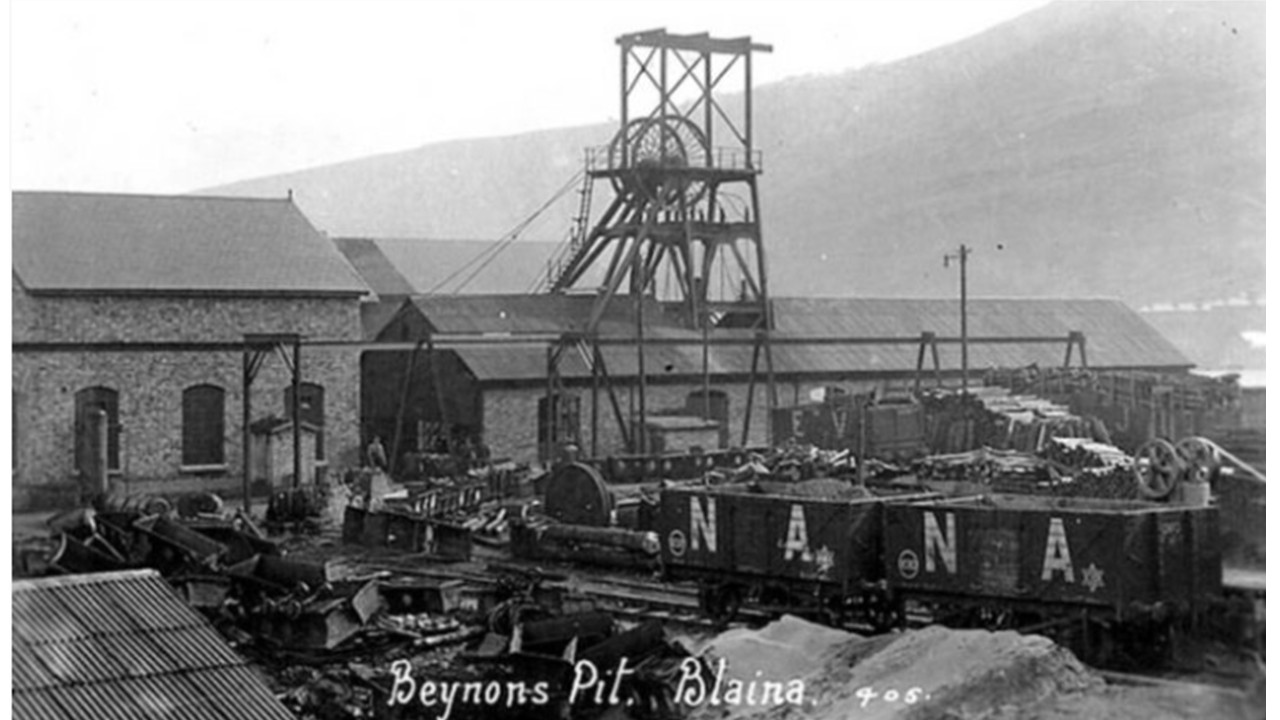
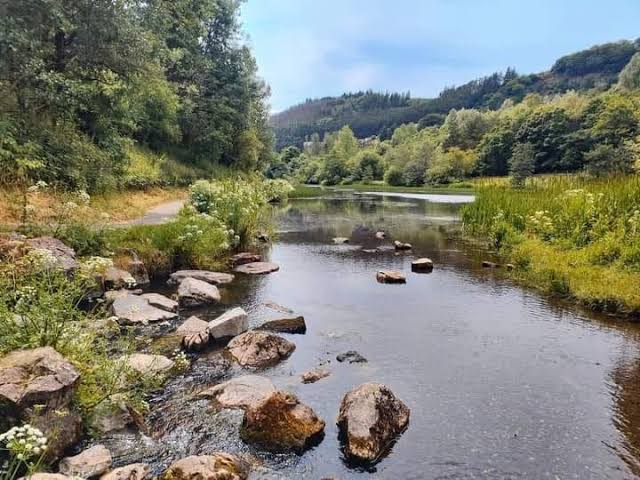
During our fieldwork trip, we explored Abertillery, located in the Blaenau Gwent County Borough. Situated along the Afon Ebbw Fach (Welsh for ‘Little Ebbw River’), this former coal-mining village suffered immense environmental degradation resulting from historical deep cast mining of coal and iron during the Industrial Revolution.
With the intense closure of coal mines between the 1960s and 1980s, the region’s economic structure collapsed. Decades of coal extraction left permanent damage to local waterways through acid mine drainage and heavy metal contamination.
Despite these robust legal frameworks, we discovered a significant disparity remains between policy and reality. Only 40% of European surface water bodies currently meet ‘good ecological status’, and the UN admits that water management targets are advancing too slowly.
Abertillery is a direct example of this historical blind spot. Mine drainage has historically dominant pollutant here and was legally exempt under the older 1991 Act. In today’s world, our kick-sampling results reveal the legacy of damage that older regulations simply were not built to stop.
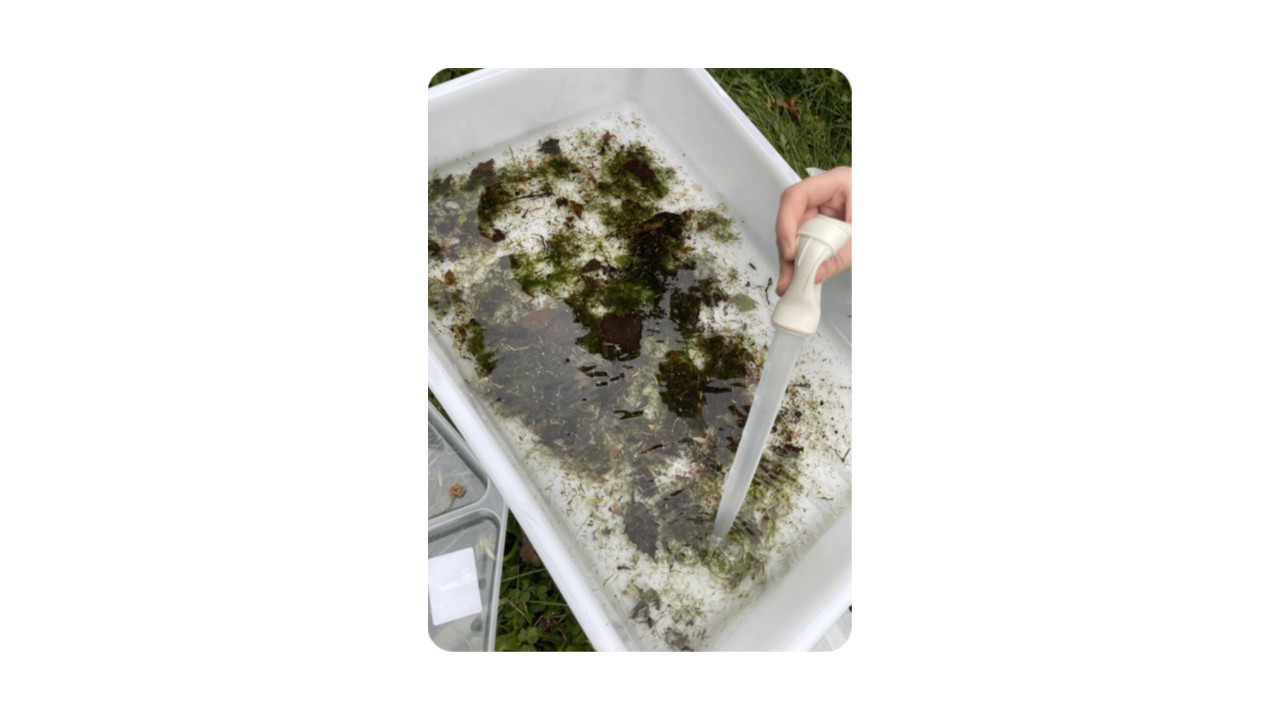
For this reason, to investigate this biological degradation, we got the chance to evaluate the water pollution using macroinvertebrates as bioindicator species. To do this, we assessed these communities through kick-sampling to provide us with a measurable evidence of current water quality, which is a critical first step in planning any regeneration effort in the South Wales Valleys.
Boots in the Water: Our Fieldwork Methodology

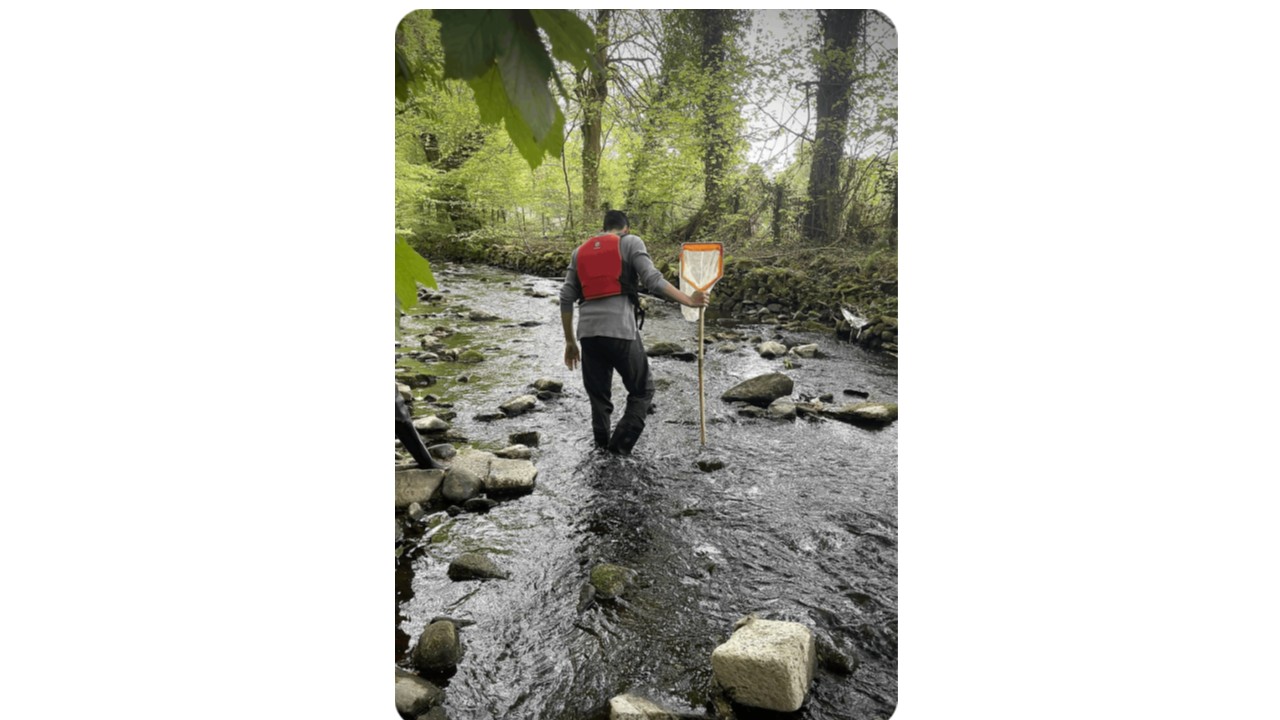
To survey the biodiversity of the Afon Ebbw Fach, we worked in groups to survey the biodiversity within the area in which we had to execute the kick-sampling method. As certain macroinvertebrate species cannot survive in polluted waters, their presence or absence of living show us a clear indication of the river health.
Key Findings: What the River Told Us
Through kick sampling methodology we have conducted in the Ebbw Fach River in Abertillery a diverse array of macroinvertebrates were identified which help to biological indicators of the water’s current pollution levels. When acknowledging the variety of species found in this river basin it is clear that there is high ecological status with amazing abundance of sensitive long-term healthy life of the watercourse and the success of the area’s environmental regeneration within this area of the Ebbw Fach River.
The physical restoration of the Afon Ebbw Fach ecosystem relies significantly on the Six Bells Mine Water Treatment Scheme to mitigate historic coal mining pollution. During our fieldwork, we observed how these raw underground discharges enter the system containing high concentrations of dissolved ferrous iron and trace heavy metals.
Our reflection and future recommendations of going beyond the infrastructure
As a group, our main reflection is that, the environmental future regeneration projects must shift from not only centralised governance, Such as the legal frameworks established under the Environment Act 2021, to a hybrid model that incorporates grassroots citizen science into long-term policy.
Even though the Six Bells scheme is an essential infrastructure, a frequent active regular chemical and biological testing by the local communities, similar to the Riverfly monitoring and kick-sampling we performed with the South East Wales Rivers Trust during this fieldwork, can be important in creating a dense yet cost-effective data network that can help in catching pollution spikes early.
“Thus, we believe that by combining this state level policy with community monitoring ensures that post-industrial river systems remain protected and deeply valued by the communities that live and sustain alongside them in the present and future.”