Amidst the resplendence of Munnar’s sky islands

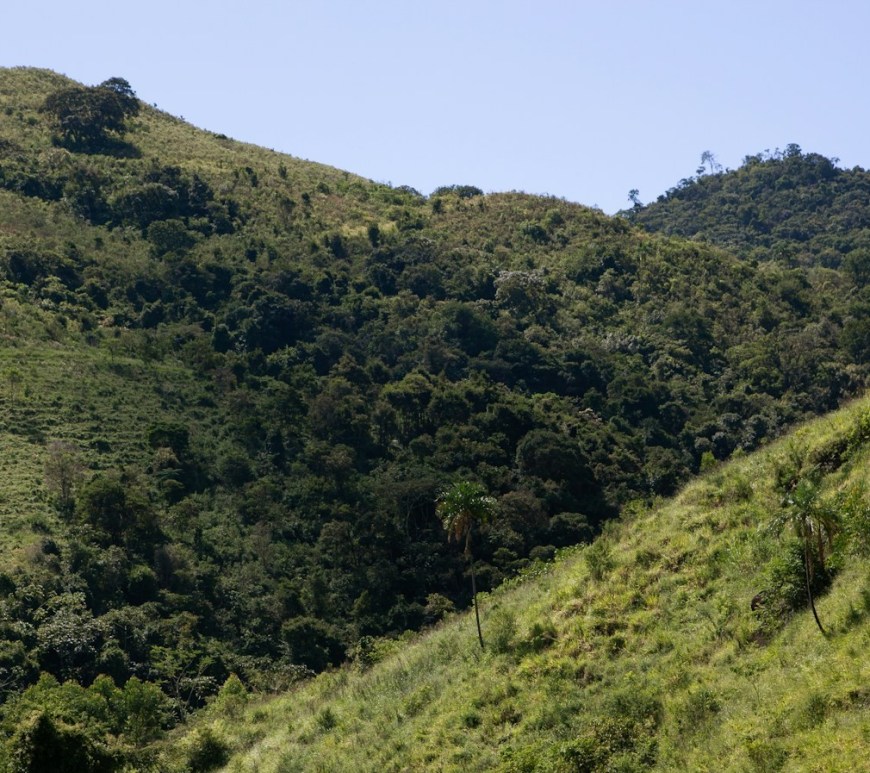
Madhumay Mallik from the Wildlife Trust of India recounts their experience researching grass frogs, and details what is being done to ensure that these and other frog species continue to thrive despite increasing challenges. Far away on the mountain peak were cotton clouds in restless sleep, tossing and turning. Before me, a lush pasture of smooth grass and wild flowers, blanketing a steep terrain and … Continue reading Amidst the resplendence of Munnar’s sky islands

Scotland’s iconic Red deer threatened by invasive ‘super Sika’

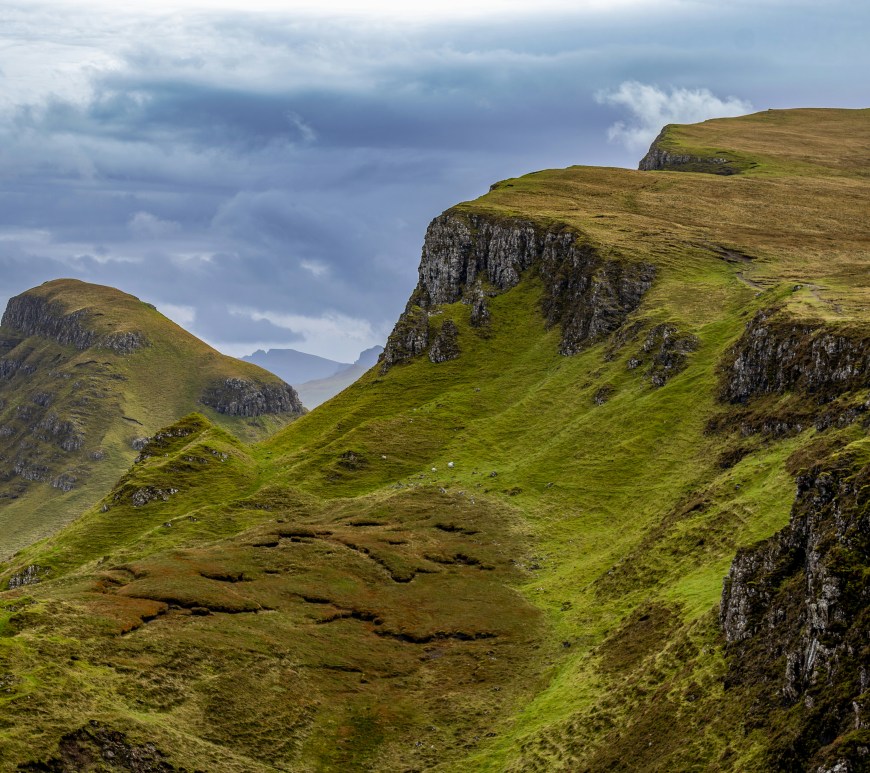
Calum Brown and his team share their findings on managing native and non-native deer species in Scotland and discuss potential solutions. Scotland’s deer numbers are thought to be at an all-time high. Although estimates vary, something like a million deer currently roam the land, around double the numbers present in 1990. This growing population has serious impacts, including limiting the regeneration of our small, fragmented … Continue reading Scotland’s iconic Red deer threatened by invasive ‘super Sika’

Quarries and garbage dumps inside the Galapagos National Park: How can we restore them?

Anna Calle-Loor, co-author of a new publication, shares her team’s experience assessing the survival of plant species in the Galapagos to inform decision-making amongst stakeholders. When you think of the Galapagos Islands, what comes to mind? Perhaps volcanic landscapes, giant tortoises and other unique wildlife, scenes that could easily belong in a nature documentary. But behind this iconic scenery lies a less picturesque reality: the … Continue reading Quarries and garbage dumps inside the Galapagos National Park: How can we restore them?

Project to restore and expand Scotland’s ancient forests provides a boost to moth biodiversity

Patrick Cook and his team share their experience investigating how moths respond to a landscape-scale woodland expansion project at Mar Lodge Estate in the Scottish Highlands. Background Upland landscapes in Scotland have a low cover of native woodland yet provides an excellent opportunity to expand woodland cover for biodiversity. For instance, native pinewood now covers less than 18,000 hectares in 84 small areas and an … Continue reading Project to restore and expand Scotland’s ancient forests provides a boost to moth biodiversity

Restoring Forests, Engaging Landowners, Advancing Science – All in One Place

What would it look like to combine scientific research, public education, and ecosystem restoration all in one place? By Anna Funk, Holden Forests & Gardens Less than fifteen kilometres from Lake Erie’s southern shore, researchers, land managers, and educators have teamed up to create a forest that is simultaneously a restoration project, living research laboratory, and forestry demonstration site. This 27-hectare forest is the Working … Continue reading Restoring Forests, Engaging Landowners, Advancing Science – All in One Place

Could the Freshwater Network help to solve the freshwater biodiversity crisis?

Three authors of a new paper from Freshwater Habitats Trust explain how a new approach to managing the whole freshwater environment – the Freshwater Network – could help us reverse the decline in freshwater biodiversity across England, Wales and beyond. What is the Freshwater Network?The Freshwater Network is: 1. A conceptual framework which recognises the interconnected and interdependent nature of freshwater ecosystems across habitat types. … Continue reading Could the Freshwater Network help to solve the freshwater biodiversity crisis?

Listening to solitary bees to learn about their activity patterns

Susič et al. share their experience studying solitary bee activity at nesting boxes using passive acoustic monitoring and analysing the data using neural networks. There are thousands of species of solitary bees and they play important roles in their ecosystems, the best known being the pollinators of various plants. Several species choose holes in wood to make their nests – they fill each chamber they … Continue reading Listening to solitary bees to learn about their activity patterns

Don’t forget the little guys: improving monitoring efforts for African small carnivores

Small carnivores are ecologically important species and key indicators of environmental change. However, for many of these species, we lack robust information on their conservation status, geographic distribution, and tolerance to anthropogenic threats. In this post, researchers from Nelson Mandela University share their experience with an emerging camera trapping method aimed at improving monitoring efforts for African small carnivores. For a wide array of species, … Continue reading Don’t forget the little guys: improving monitoring efforts for African small carnivores

Documenting decades of change in urban ancient woodlands

Holly Clare Woo shares her team’s experience investigating the impact of urbanisation on ancient woodlands in the UK. Imagine yourself in an ancient woodland: with a dappled canopy of broadleaf trees, some showing signs of historic coppicing, and a carpet of English bluebells, studded with Wood Anemones, Greater Stitchwort, Early Purple orchids, Herb Paris and other rare and specialist woodland species. You are in a … Continue reading Documenting decades of change in urban ancient woodlands

Conspecific vocalisations as a Wryneck conservation tool: if you play it, will they settle? 

Paula Schatte and co-authors share insight from their recent study examining the relative importance of food availability and conspecific vocalisations for breeding habitat selection during both the prospecting and breeding periods of a regionally endangered woodpecker, the Eurasian Wryneck (Jynx torquilla).  What is the problem?  The Wryneck suffered a long-term decline in western and northern Europe until the beginning of the 21st century, mainly due … Continue reading Conspecific vocalisations as a Wryneck conservation tool: if you play it, will they settle?