La ciencia comunitaria complementa la evaluación del riesgo de extinción

Comprender la probabilidad de extinción es fundamental para una gestión y conservación eficaces. Si bien dicha evaluación depende principalmente de un monitoreo riguroso y estandarizado (con los mejores datos disponibles), una investigación reciente de Acevedo-Charry et al (2025) presenta una forma complementaria en la que los datos recopilados por voluntarios pueden ayudar a estimar la probabilidad de extinción. Esta entrada de blog también está disponible … Continue reading La ciencia comunitaria complementa la evaluación del riesgo de extinción

Community science complements assessment of extinction risk

Understanding the probability of extinction is critical for effective management and conservation. While such assessment mainly depends on rigorous and standardized monitoring (the best of the best data), recent research from Acevedo-Charry et al (2025) features a complementary way that data gathered from volunteers can help estimate probability of extinction. A version of this post is also available in Spanish here. How do we assess … Continue reading Community science complements assessment of extinction risk

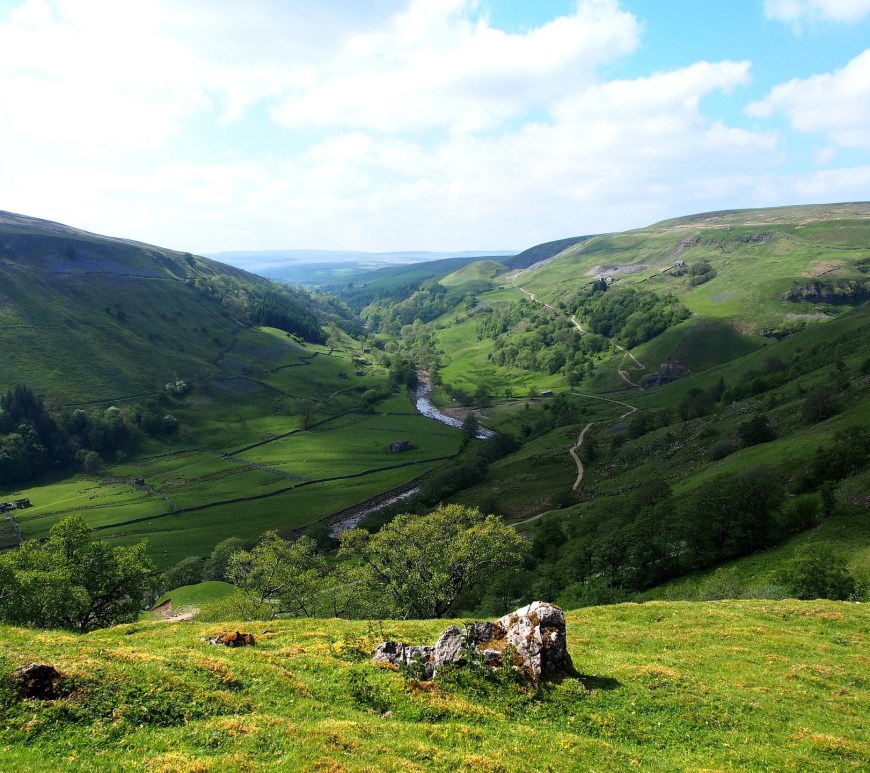
Amidst the resplendence of Munnar’s sky islands

Madhumay Mallik from the Wildlife Trust of India recounts their experience researching grass frogs, and details what is being done to ensure that these and other frog species continue to thrive despite increasing challenges. Far away on the mountain peak were cotton clouds in restless sleep, tossing and turning. Before me, a lush pasture of smooth grass and wild flowers, blanketing a steep terrain and … Continue reading Amidst the resplendence of Munnar’s sky islands

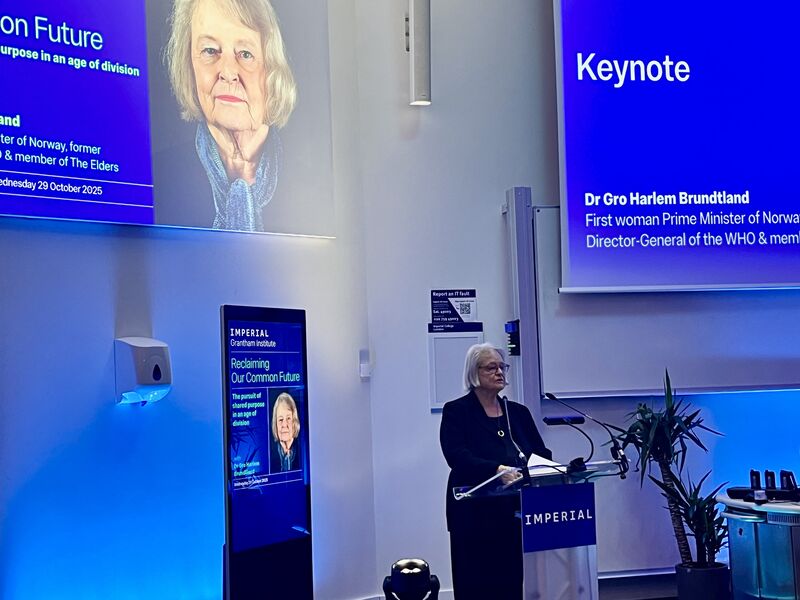
Reclaiming Our Common Future

The pursuit of shared purpose in an age of division Reflections on a lecture given by Dr Gro Harlem Brundtland at the Grantham Institute, Imperial College, London, 29 October 2025. Gary Kass, Visiting Professor of Sustainability Science, Policy and Practice, Imperial College; Honorary Professor of Geography, University of Nottingham; Vice-President of IES and Chair of IES External Policy Advisory Group; Member of the Office of … Continue reading Reclaiming Our Common Future

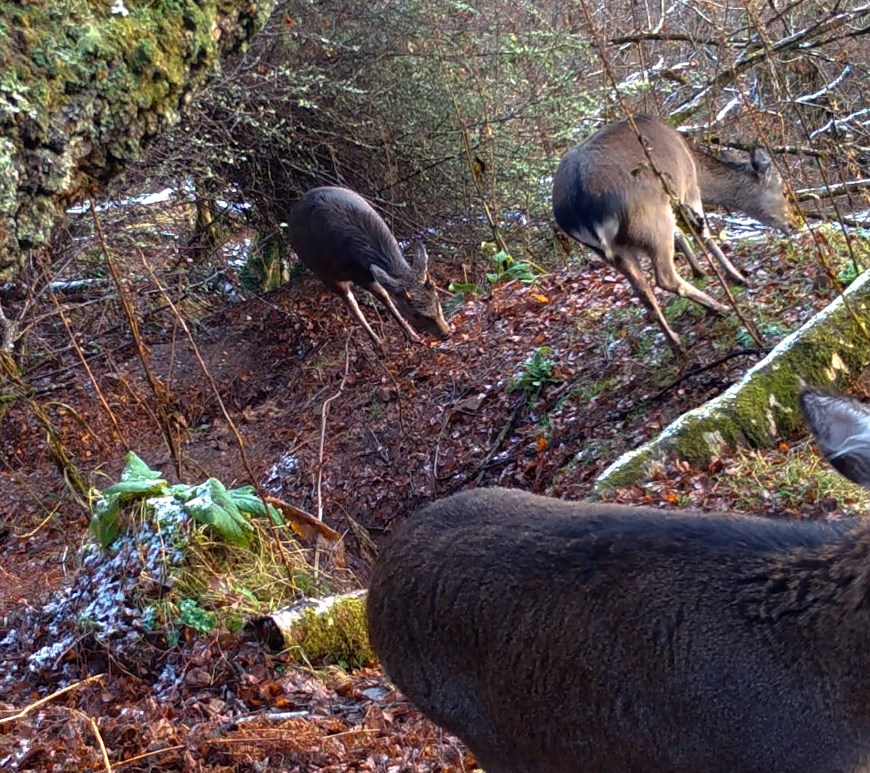
Scotland’s iconic Red deer threatened by invasive ‘super Sika’

Calum Brown and his team share their findings on managing native and non-native deer species in Scotland and discuss potential solutions. Scotland’s deer numbers are thought to be at an all-time high. Although estimates vary, something like a million deer currently roam the land, around double the numbers present in 1990. This growing population has serious impacts, including limiting the regeneration of our small, fragmented … Continue reading Scotland’s iconic Red deer threatened by invasive ‘super Sika’

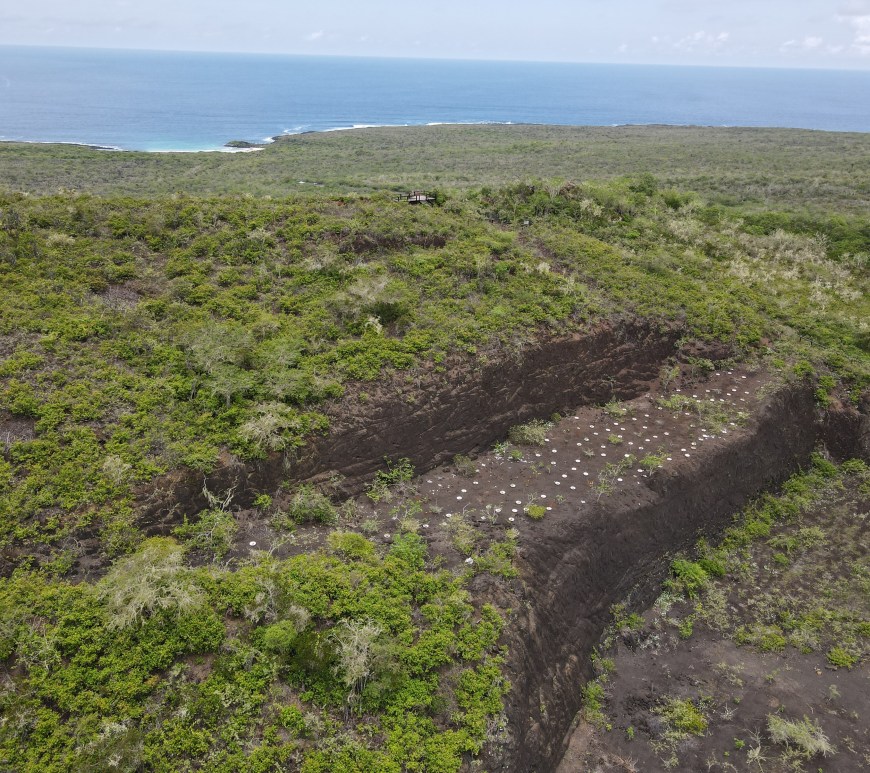
Quarries and garbage dumps inside the Galapagos National Park: How can we restore them?

Anna Calle-Loor, co-author of a new publication, shares her team’s experience assessing the survival of plant species in the Galapagos to inform decision-making amongst stakeholders. When you think of the Galapagos Islands, what comes to mind? Perhaps volcanic landscapes, giant tortoises and other unique wildlife, scenes that could easily belong in a nature documentary. But behind this iconic scenery lies a less picturesque reality: the … Continue reading Quarries and garbage dumps inside the Galapagos National Park: How can we restore them?

Project to restore and expand Scotland’s ancient forests provides a boost to moth biodiversity

Patrick Cook and his team share their experience investigating how moths respond to a landscape-scale woodland expansion project at Mar Lodge Estate in the Scottish Highlands. Background Upland landscapes in Scotland have a low cover of native woodland yet provides an excellent opportunity to expand woodland cover for biodiversity. For instance, native pinewood now covers less than 18,000 hectares in 84 small areas and an … Continue reading Project to restore and expand Scotland’s ancient forests provides a boost to moth biodiversity

Documenting decades of change in urban ancient woodlands

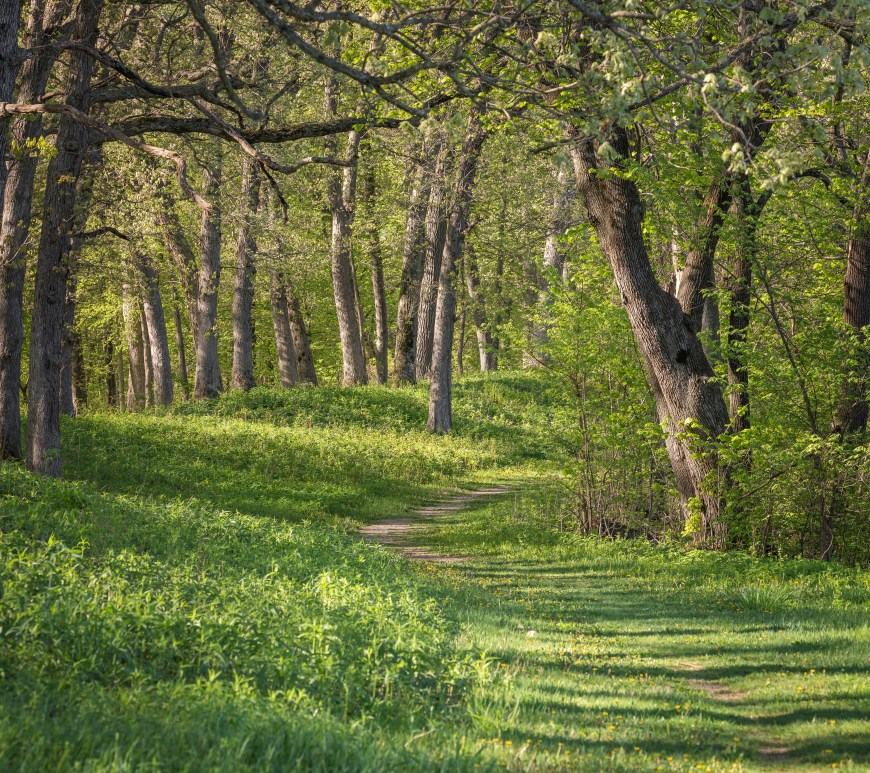
Holly Clare Woo shares her team’s experience investigating the impact of urbanisation on ancient woodlands in the UK. Imagine yourself in an ancient woodland: with a dappled canopy of broadleaf trees, some showing signs of historic coppicing, and a carpet of English bluebells, studded with Wood Anemones, Greater Stitchwort, Early Purple orchids, Herb Paris and other rare and specialist woodland species. You are in a … Continue reading Documenting decades of change in urban ancient woodlands

Impacts of proactive health management on cattle and horse diets and dung biodiversity in Danish rewilding areas

Emil S. Thomassen explains the recent diet study of rewilded cattle and horses, showing functional differences between the two species and reveals the impacts of management actions on this functionality as described in their latest research. The use of DNA metabarcoding for herbivorous diet analysis is a promising tool, yielding high-resolution data on plant consumption. In a time, where nature restoration and conservation are of … Continue reading Impacts of proactive health management on cattle and horse diets and dung biodiversity in Danish rewilding areas

Research and Elimination of Archipelago Racoon Dogs

Mikko Toivola and co-authors share a summary about their latest study which focuses on the movements of an invasive mesopredator within the Archipelago areas of Finland. The raccoon dog has been known to occur in the archipelago areas of Finland for a long time. However, the role of the species as part of the archipelago ecosystem is largely unknown. How many individuals live in a … Continue reading Research and Elimination of Archipelago Racoon Dogs