Black History Month 2024: Lekeah Durden

For Black History Month 2024, the British Ecological Society (BES) journals are celebrating the work of Black ecologists around the world and sharing their stories. In this blog, Lekeah Durden shares her story and journey in academia. Contact: Affiliation: University of Georgia-Athens, USA LinkedIn: https://www.linkedin.com/in/lekeahdurden Ecological Interests How did you get into ecology? My passion for exploring the world and its diverse cultures has always … Continue reading Black History Month 2024: Lekeah Durden

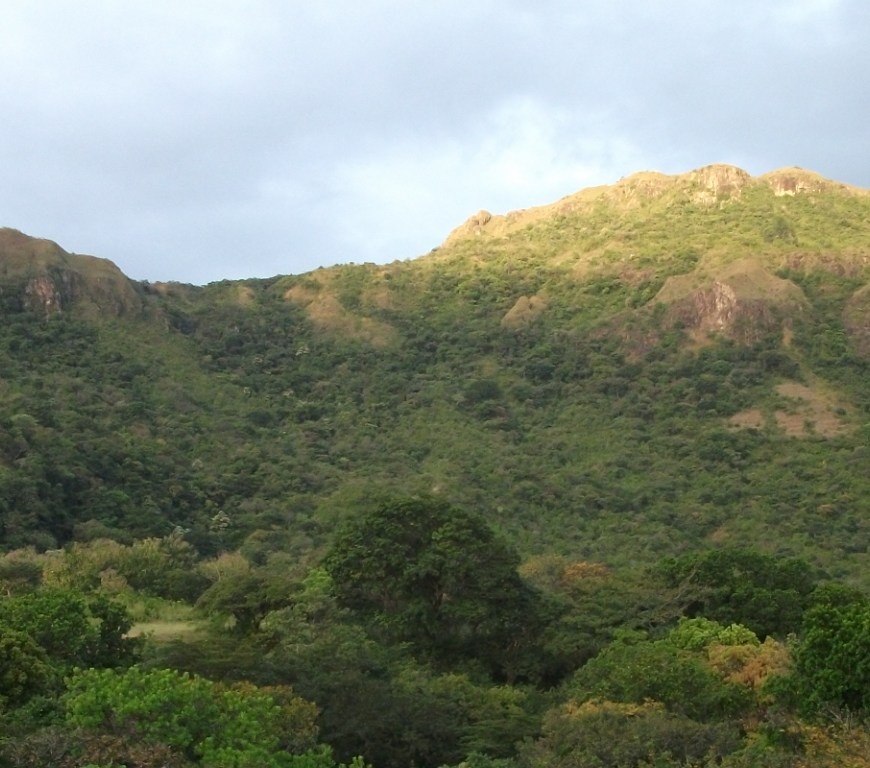
ECR Journeys: Coding for forest conservation

This month, The Applied Ecologist is amplifying the voice of early career ecologists from around the world working in the field of applied ecology to help inspire the next generation. In this post, Abby Williams shares her story. My background I love spending as much time outdoors as I possibly can, whether that’s hiking, wild swimming, cycling or running. I’m also interested in local wildlife … Continue reading ECR Journeys: Coding for forest conservation

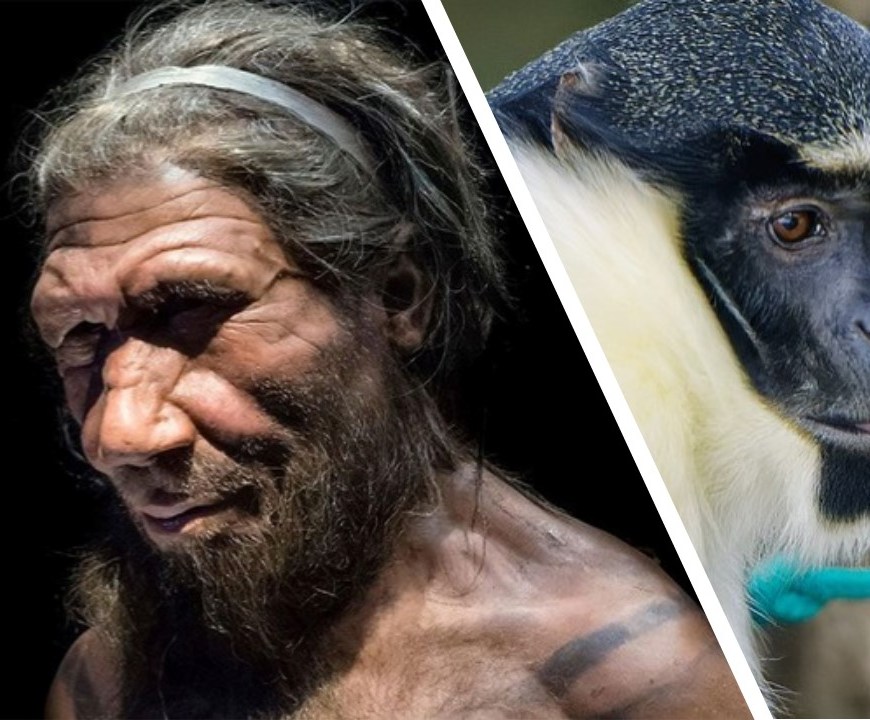
Identifying species by appearance

This blog is part of our colourful countdown to the holiday season where we’re celebrating the diversity and beauty of the natural world. In this post, Héloïse Brown and Will Allen of Swansea University discuss research on species recognition signalling across the animal kingdom and explore what this can tell us about Homo sapiens’ interactions with other lineages of archaic human. Throughout human evolution we know different … Continue reading Identifying species by appearance

From blind amoeba to Nemo: the evolution of fish (and vertebrate) vision

This blog is part of our colourful countdown to the holiday season where we’re celebrating the diversity and beauty of the natural world. In this post, Martin Luehrmann of The University of Queensland takes us on a journey through the development of sight through the evolution of fish and early vertebrates. Imagine waking up and the world is black, your eyelids won’t open. You are … Continue reading From blind amoeba to Nemo: the evolution of fish (and vertebrate) vision

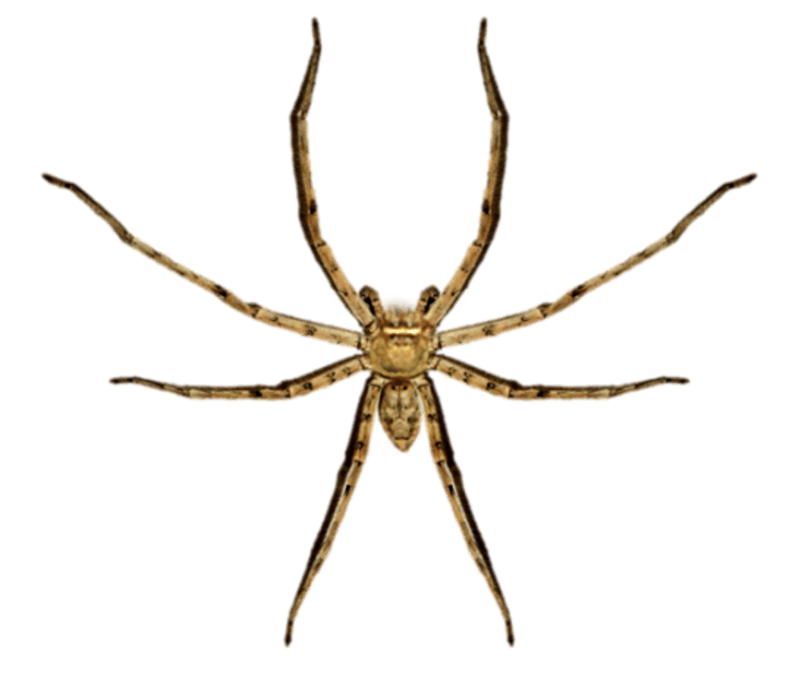
Spider body coloration plays an important role in foraging and predator avoidance

This blog is part of our colourful countdown to the holiday season where we’re celebrating the diversity and beauty of the natural world. In this post, Shichang Zhang of Hubei University unravels the role of body coloration on prey capture and predator avoidance in spiders. Animals have evolved a variety of body colours during evolution. The body colour of spiders is best known for its … Continue reading Spider body coloration plays an important role in foraging and predator avoidance