Do wildlife-friendly farming subsidy schemes deliver their expected benefits?

Recently Michael MacDonald examined the impact agri-environmental schemes have had in the UK and, in particular, Wales. Now Associate Editor Peter Manning highlights the need to focus on evidence of these schemes’ effects when considering agricultural policy reform. There is now overwhelming evidence that agricultural intensification has proven disastrous for wildlife, and that policies encouraging intensification are a key driver in this process. In Europe … Continue reading Do wildlife-friendly farming subsidy schemes deliver their expected benefits?

Rewilding in Britain: a case study

Over the past few weeks, The Applied Ecologist’s Blog and Relational Thinking have been exploring the hot topic of rewilding from a number of different interdisciplinary and management angles.  Now Sophie Wynne-Jones and Chris Sandom turn their focus to the UK as a, perhaps unexpected, example of where rewilding has grown. If you ask someone in Britain whether or not they have heard of rewilding, … Continue reading Rewilding in Britain: a case study

Monitoring Welsh agri-environment schemes

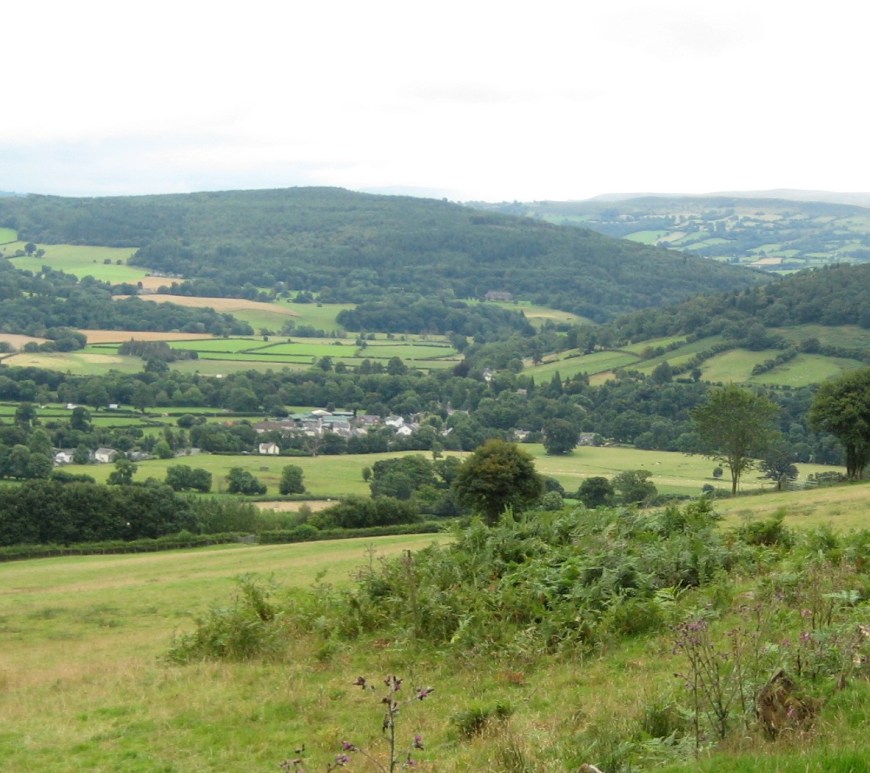
Alongside the British Ecological Society Policy team, Michael MacDonald looks at the future of environmental funding in agricultural landscapes and discusses his new article, Have Welsh agri-environment schemes delivered for focal species? Results from a comprehensive monitoring programme. Agri-environment schemes (AES) have been European governments’ major attempt to reduce and reverse biodiversity losses on farmland. However, there have been criticisms of the performance of AES, … Continue reading Monitoring Welsh agri-environment schemes

Early career ecologists look to plot a safe course through the Brexit minefield

In the face of continuing uncertainty over Brexit and UK environmental policy, Andy Suggitt  from the British Ecological Society’s Conservation Ecology Group argues that now is the time for early career ecologists to engage and get involved in the process. We’ve all had that feeling about Brexit. It’s top of the newsfeed on our favourite social media site, it’s the first item on the evening … Continue reading Early career ecologists look to plot a safe course through the Brexit minefield

Managing sites with ash dieback to conserve functional traits

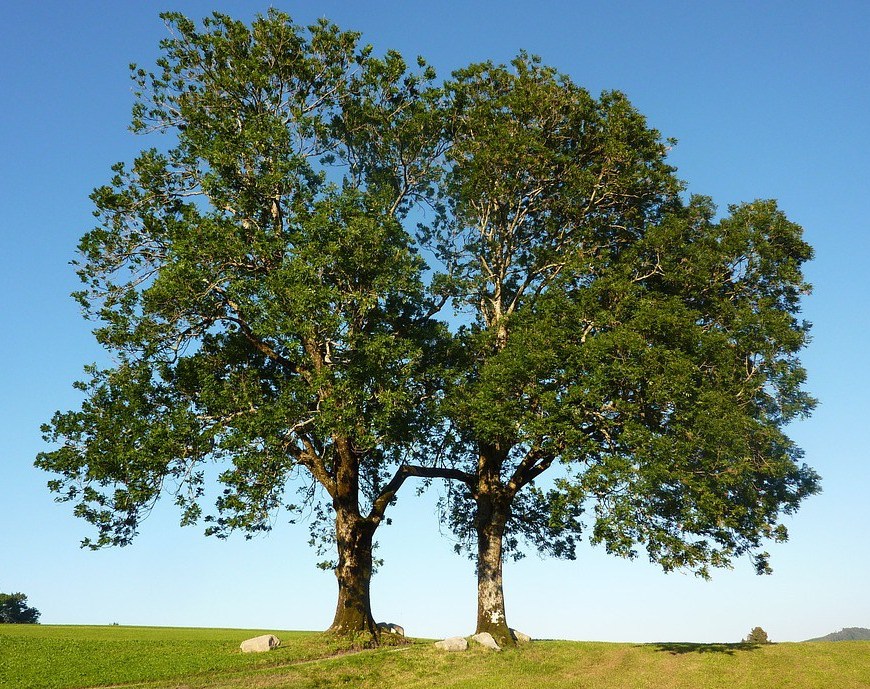
Adopting a technique generally used in the social sciences but rarely in ecology, Louise Hill (University of Oxford) et al. provide a new summary for land managers looking to predict and manage the effects of ash dieback. Their work was recently published in Journal of Applied Ecology: Maintaining ecosystem properties after loss of ash in Great Britain. Ash dieback, an invasive disease of ash trees, is … Continue reading Managing sites with ash dieback to conserve functional traits

A new way to reduce the introduction of exotic pests and diseases in trees into the UK

New research highlights the need for policies that encourage nurseries to produce home-grown plants and thus reduce the risk of importing tree pests and diseases that threaten the UK’s woodland. Author of Variability in commercial demand for tree saplings affects the probability of introducing exotic forest diseases, Vasthi Alonso Chavez and British Ecological Society Policy Manager, Brendan Costelloe explain more. A Spanish version of this … Continue reading A new way to reduce the introduction of exotic pests and diseases in trees into the UK

Using science to inform policy during adverse weather conditions

Andrew Hoodless discusses new research on the effect of cold weather on the Eurasian woodcock and the recent article Regulation of body reserves in a hunted wader: Implications for cold-weather shooting restrictions. Severe winter weather can place a strain on the energy reserves of birds, sometimes resulting in mortality if adverse conditions persist for more than a few days. There are relatively few studies that … Continue reading Using science to inform policy during adverse weather conditions

Prioritising local habitat quality for woodland hoverflies

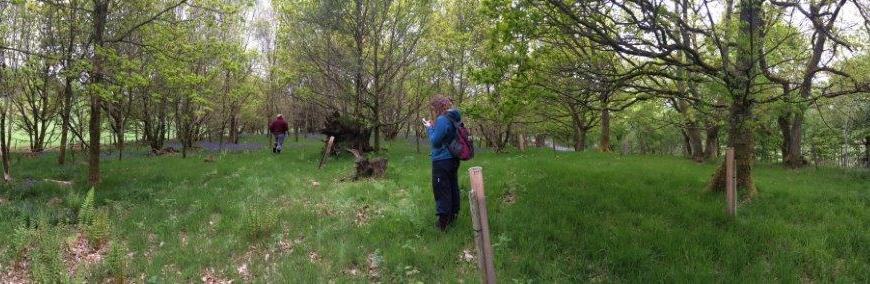
Kirsty Park and colleagues discuss the importance of habitat quality in restoration efforts. Read the full article, Local-scale attributes determine the suitability of woodland creation sites for Diptera in Journal of Applied Ecology. To benefit woodland-associated Diptera, and in particular hoverflies, woodland creation and restoration efforts should focus on ‘habitat quality’, in particular to ensure a diverse tree and understory vegetation structure. These are the findings … Continue reading Prioritising local habitat quality for woodland hoverflies

The human influences shaping peatland vegetation communities

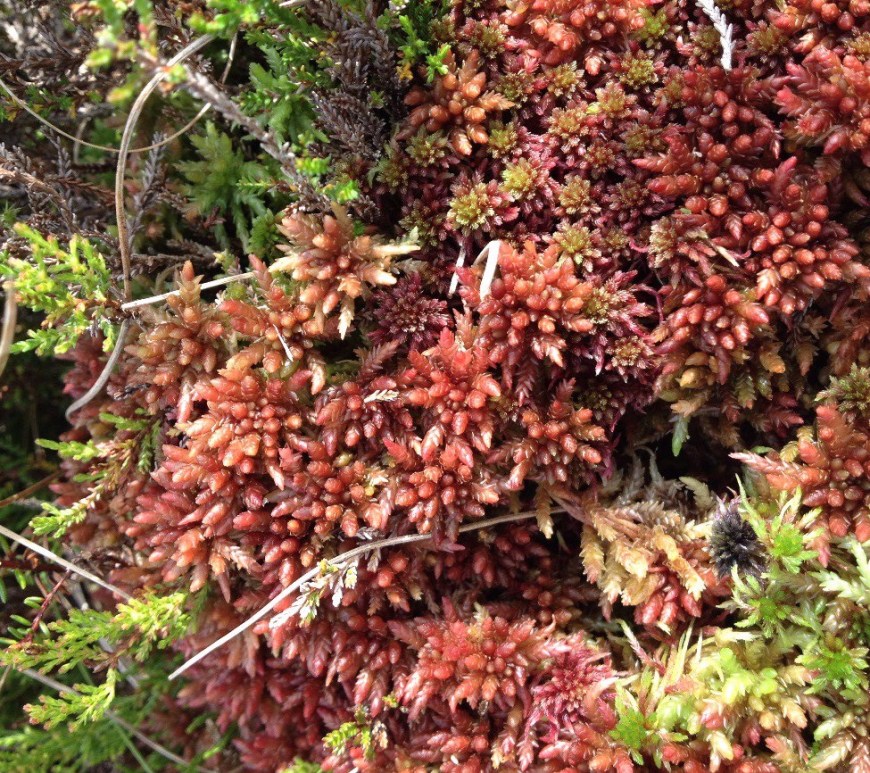
This blog by Alice Noble discusses peatland protection policy and follows her recent article in Journal of Applied Ecology, Prescribed burning, atmospheric pollution and grazing effects on peatland vegetation composition. As sloping expanses of shrubs, sedges and moss where the only sounds are wind, rain and birds, with no people in sight, blanket peatlands can feel like wild and remote places. In the UK, these upland … Continue reading The human influences shaping peatland vegetation communities