Balance for Better: DiversifyEEB

To celebrate the 2019 theme for International Women’s Day, #BalanceforBetter, we invited our Editorial Board to nominate and discuss the initiatives they feel support gender balance in science and academia. Kicking things off, several of our editors drew our attention to the directory, DiversifyEEB, which aims to highlight ‘ecologists and evolutionary biologists who are women and/or underrepresented minorities’. Journal Associate Editor, Cate McInnis-Ng and Senior … Continue reading Balance for Better: DiversifyEEB

U.S. policy-based management improves grassland bird nest survival – although finer-scale habitat has superior predictive ability

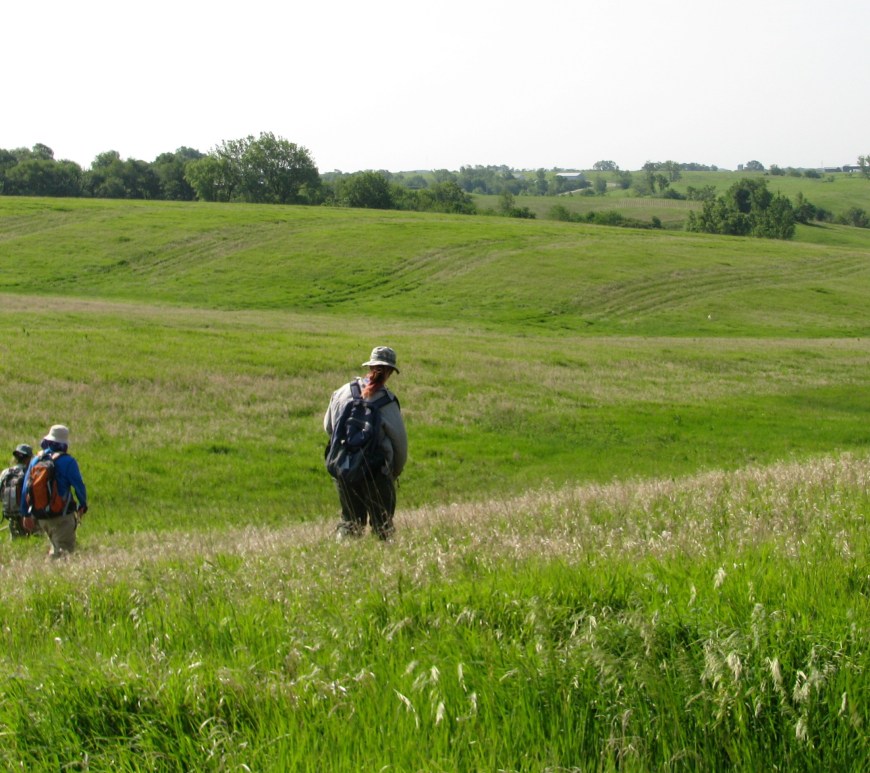
In a recent study, Justin Shew and colleagues found nest survival improved with policy-based management and establishing native grasses but conclude finer-scale details often have superior predictive ability from a multi-scale perspective. Read more about their findings here. A video summary of their work is also available. Grassland and farmland bird populations have been declining around the world and these declines are primarily attributed to … Continue reading U.S. policy-based management improves grassland bird nest survival – although finer-scale habitat has superior predictive ability

Editor’s Choice 56:3 – Evaluating syndromic surveillance of wildlife disease outbreaks

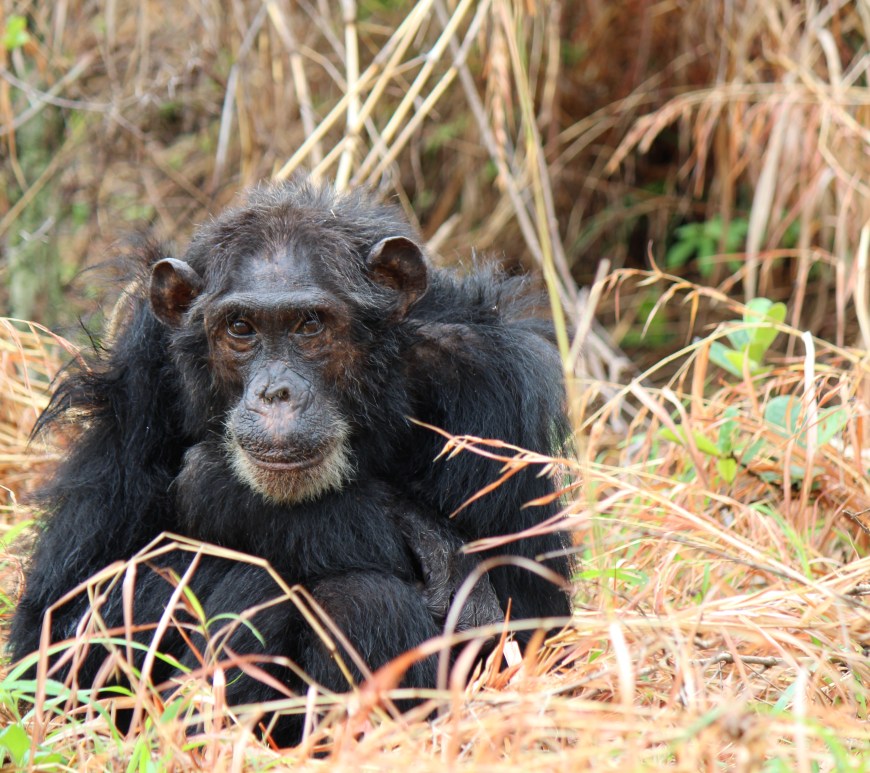
For issue 56:3’s Editor’s Choice, Associate Editor Silke Bauer explains why Wolf et al.’s model for syndromic surveillance presents an important first step in supporting park managers to better understand and manage wildlife diseases. The selected Editor’s Choice article is Optimizing syndromic health surveillance in free-ranging great apes: The case of Gombe National Park by Tiffany M. Wolf et al. The health status of wildlife … Continue reading Editor’s Choice 56:3 – Evaluating syndromic surveillance of wildlife disease outbreaks