Shortlisted for the Chico Mendes Prize
About the research
Overview
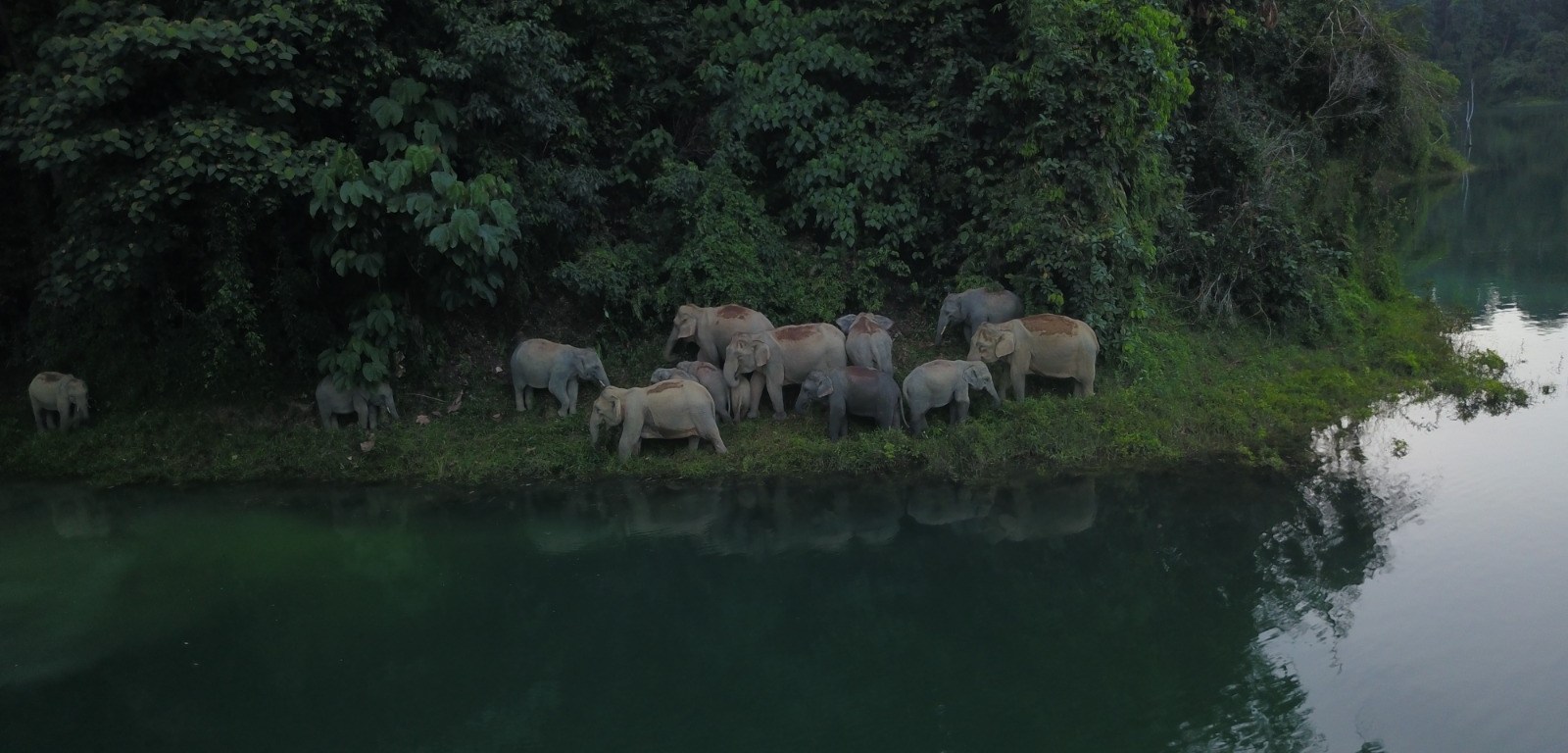
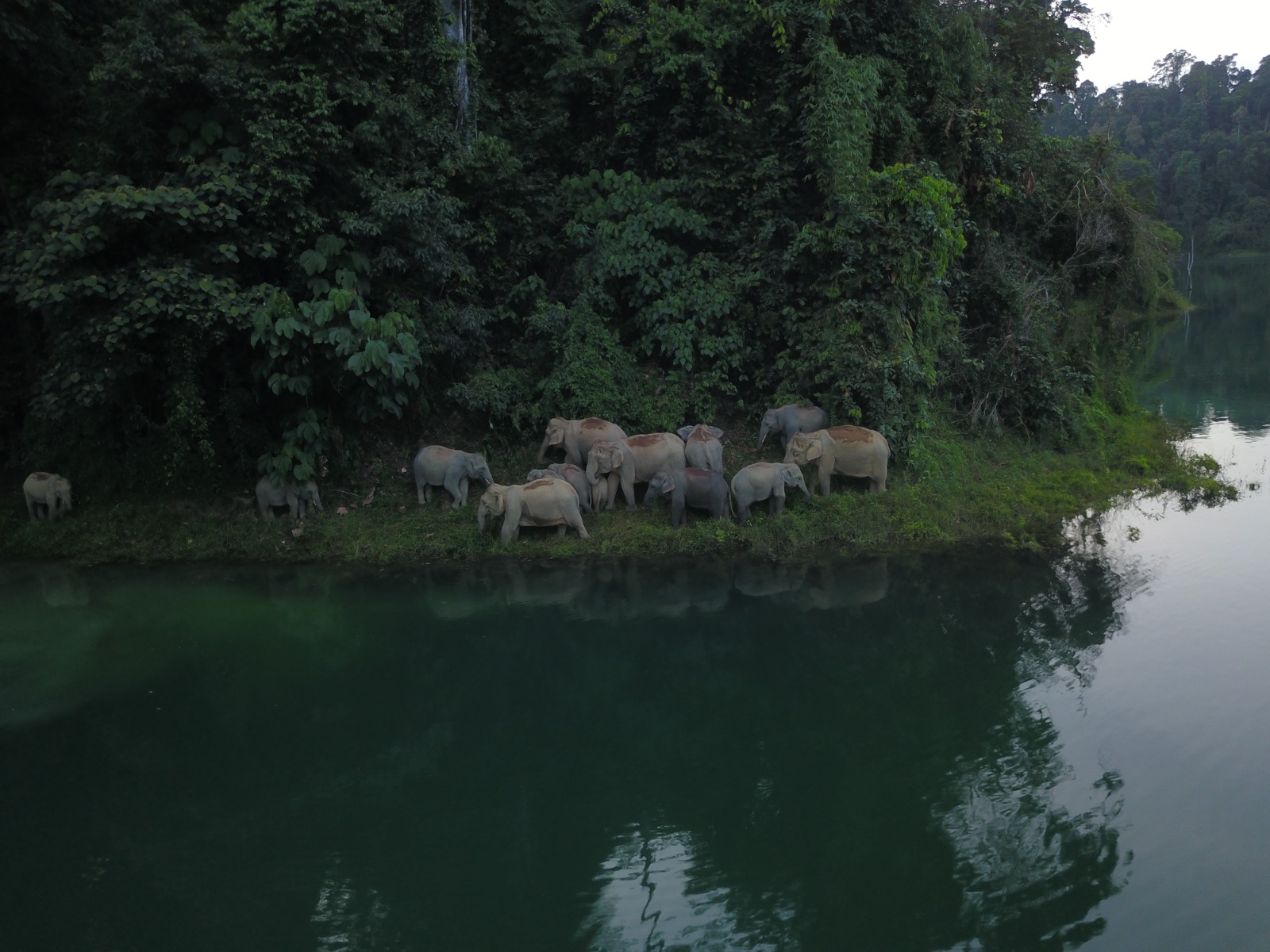
My research investigates the ecological adaptation of a translocated sub-adult male Asian elephant (Elephas maximus) as a strategy to mitigate increasing human-elephant conflict (HEC). By tracking a satellite-collared individual relocated from its original conflict zone, I sought to determine if a relocated elephant can successfully integrate into new habitats without exhibiting homing behaviour or resuming conflict. The study confirms successful adaptation, as the individual utilized ecological corridors and preferred secondary forests for 78.9% of its home range, suggesting that relocating sub-adult males into selected natural habitats is a viable practical implication for enhancing the success of wildlife conservation management.
Surprises and challenges
I was surprised by the elephant’s initial 90-day movement, trekking toward primary forest almost in a straight line before pivoting back to prefer secondary forest. It was a relief to see no homing behaviour, a major risk in long-distance translocations. The biggest hurdle was managing continuous satellite collar data and using GIS for rigorous spatial analysis. Proving the elephants were truly adapting to the secondary forest rather than wandering aimlessly was challenging, but its successful integration without causing new conflicts was a major milestone for the project.
Next steps and broader implications
The next phase of this research involves a shift from reactive conflict management toward proactive wildlife management. This direction focuses on protecting ecological corridors identified in Malaysia’s Central Forest Spine Master Plan for Ecological Linkages (PIRECFS), the main policy that should facilitate successful adaptation, as seen with the sub-adult male’s preference for secondary forest habitats within the corridor. Ultimately, the goal is to move beyond simply relocating problem animals and instead focus on long-term habitat connectivity and the restoration of degraded secondary forests, ensuring that relocated individuals have the structural environment they need to thrive without returning to human-dominated landscapes.
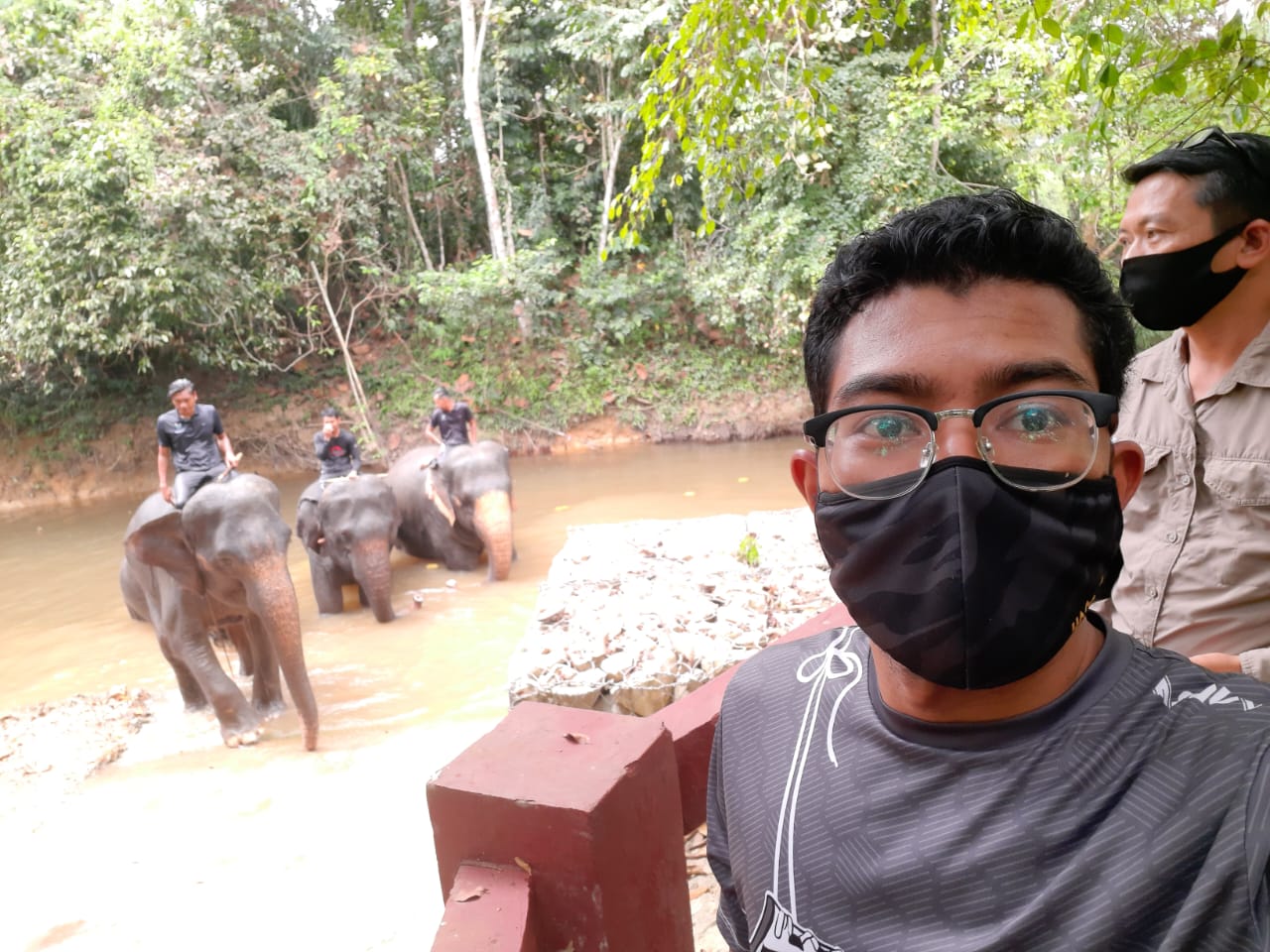
My research directly informs the National Elephant Conservation Action Plan and the Central Forest Spine Master Plan. By proving sub-adult males adapt well to secondary forests and corridors, I advocate for precision translocation over reactive methods. This demonstrates that ecological linkages are functional habitats, not just theoretical map lines. Practically, this shifts the focus from simply moving problem animals to using translocation for long-term habitat connectivity. These findings guide land-use planning to prioritize forest restoration, ensuring conflict mitigation supports landscape-level coexistence between humans and elephants in Malaysia.
About the author
Current position
I am currently serving as a postgraduate fellow at The National University Malaysia (UKM).
Getting involved in ecology
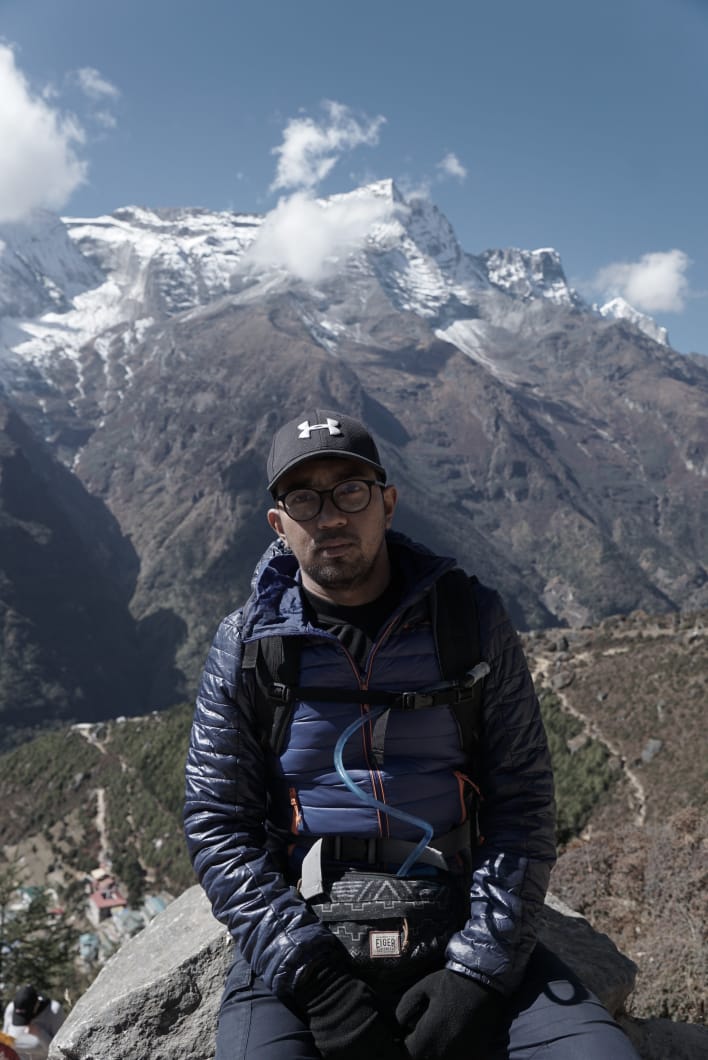
I have always been fascinated by the wonder of every species, and the threat of extinction drove me to pursue a PhD in Zoology following my degrees in Biology and Conservation Biology. My focus sharpened during my doctoral research on human-elephant conflict in Malaysia. I sought to move beyond theoretical biology by using GIS and satellite tracking to find practical management solutions. The rising frequency of these conflicts motivated me to study how translocation can be refined as a conservation strategy to save the species from extinction.
Current research focus
Since completing my PhD in 2025, I have remained active in this research field. I am currently drafting a paper mapping habitat suitability and 32 specific ecological corridors across Peninsular Malaysia, aligning directly with the Central Forest Spine (CFS) Master Plan. Additionally, I am working on a second paper that spatially analyses the effects of land-use changes on human-elephant conflict (HEC) cases throughout Malaysia. Both projects focus on bridging the gap between national land-use policy and practical, data-driven wildlife management.
Advice for fellow ecologists
The best advice I can give to anyone, when things do not go your way “faster is not always better” stay focus, stay determined, eventually everything will fall into place.
Read the full article Ecological corridors enhance adaptation success of translocated conflict elephants: A case study of a sub-adult male in Hulu Terengganu, Peninsular Malaysia in Ecological Solutions and Evidence.

