Shortlisted for the 2025 Southwood Prize
About the research
Overview
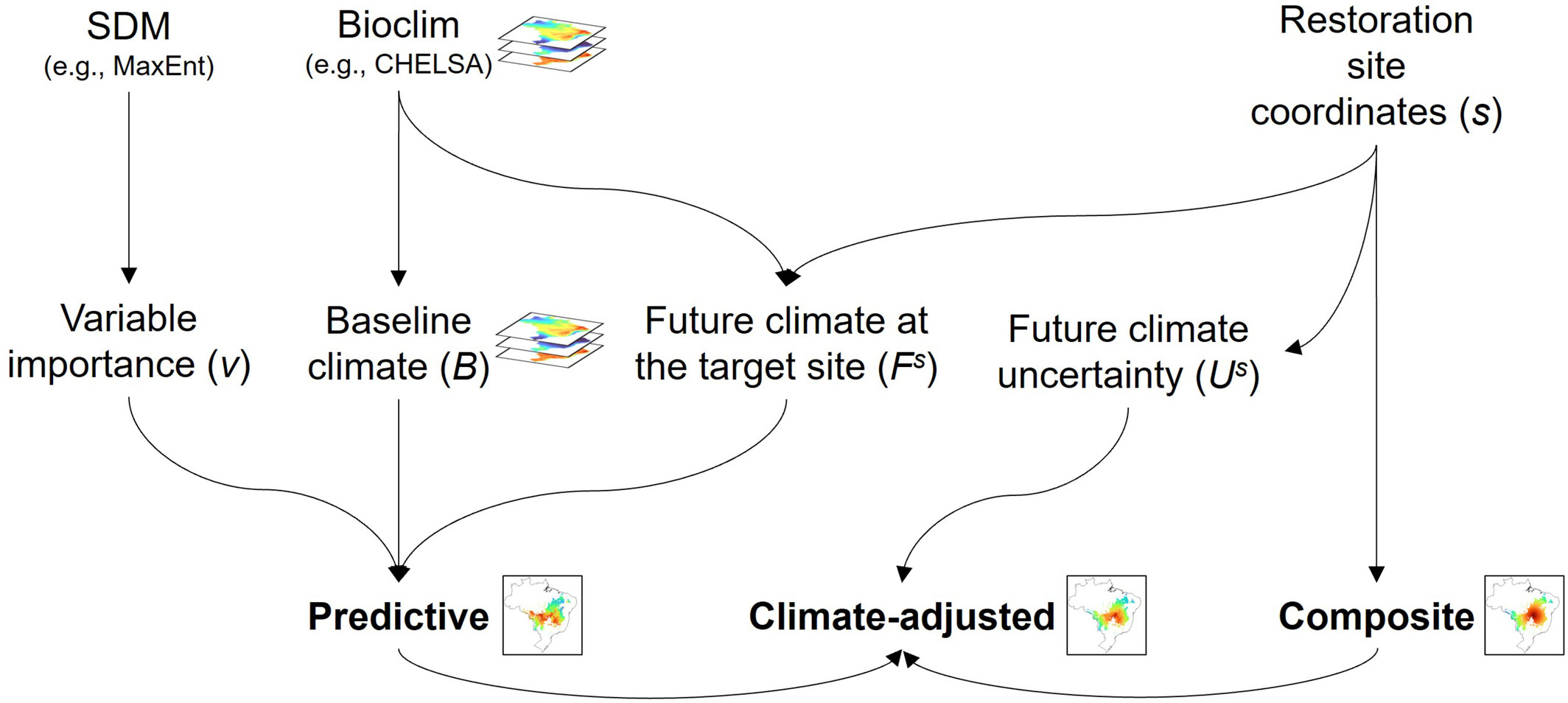
Seeds can accelerate the restoration of degraded landscapes. But where should practitioners source them, especially as the climate changes? In our latest paper, we address this by proposing a spatially explicit tool that identifies the best areas for sourcing seeds for ecosystem restoration under different strategies, from prioritising local seeds to nonlocal seeds preadapted to future climates. The tool also considers where restoration will take place, as well as the distribution and climate sensitivities of each plant species.
Surprises and challenges
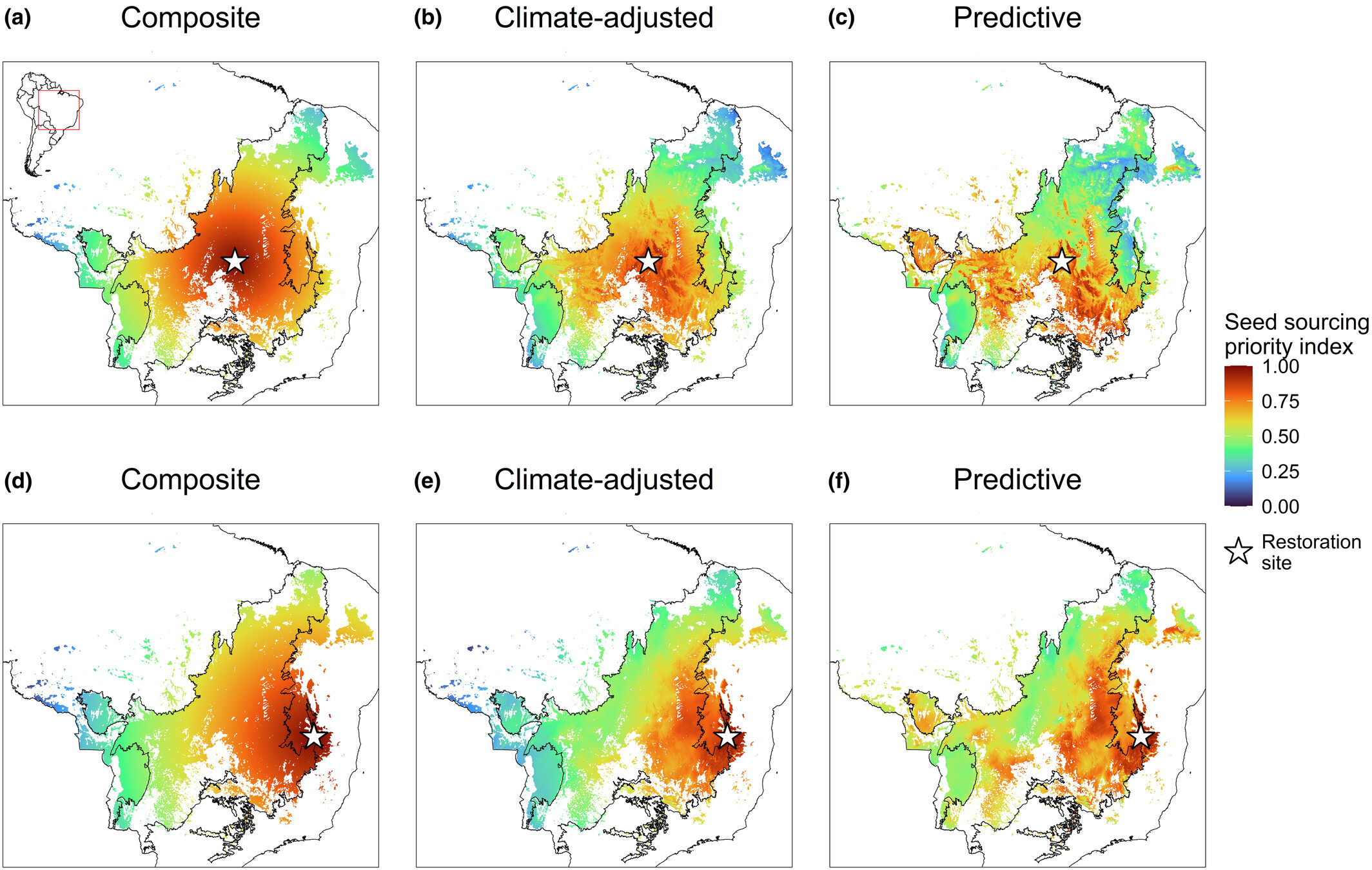
One key challenge was translating seed provenance strategies, often presented as conceptual frameworks, into formulas and a tool that can incorporate real-world data. Interestingly, although there is much debate around the best strategy for sourcing seeds, such as local versus nonlocal sources, we found that different provenance strategies produced similar outcomes in a case study in Brazil. This suggests that restoration site location is the key factor determining the provenance of the seed mix.
Next steps and broader implications
At present, the main barriers to implementing the tool are the lack of traceability in seed supply chains in many countries and difficulties in ensuring seed origin purity in storage facilities. Looking ahead, the tool could benefit from better global data on seed production capacity, as well as incorporating transport costs associated with sourcing seeds from distant locations when climate-informed strategies are prioritised over local sourcing.
Seed demand for restoration has never been higher, and overlooking seed provenance can lead to restoration failure now or in the future as the climate changes. Our tool can help practitioners ensure the right seeds reach the right sites. Because it does not rely on field data and has a global scope, it has the potential to improve restoration success rates at the scale needed to address the climate and biodiversity crises.
About the author
Current position
I am currently a postdoctoral researcher at the University of Exeter, studying the resilience of tropical rainforests to climate extremes. Specifically, I work on a drought experiment in the Amazon rainforest that has been running for more than 20 years. It provides unique insights into the impacts of extreme droughts in the Amazon system, as well as the mechanisms that confer drought resilience and the management strategies that could strengthen forest resilience to future climate events.

Getting involved in ecology
Growing up on the outskirts of São Paulo, Brazil’s most populous city, I saw exuberant rainforests gradually give way to industrialisation. It was only during my BSc in Biology that I realised the ecological complexity, beauty, and fragility of natural ecosystems, especially in the tropics, and how our well-being is intertwined with them. That inspired me to pursue an MSc in Ecology and a PhD in Physical Geography to keep learning how amazing tropical ecosystems are and help find ways for both nature and people to thrive.
Current research focus
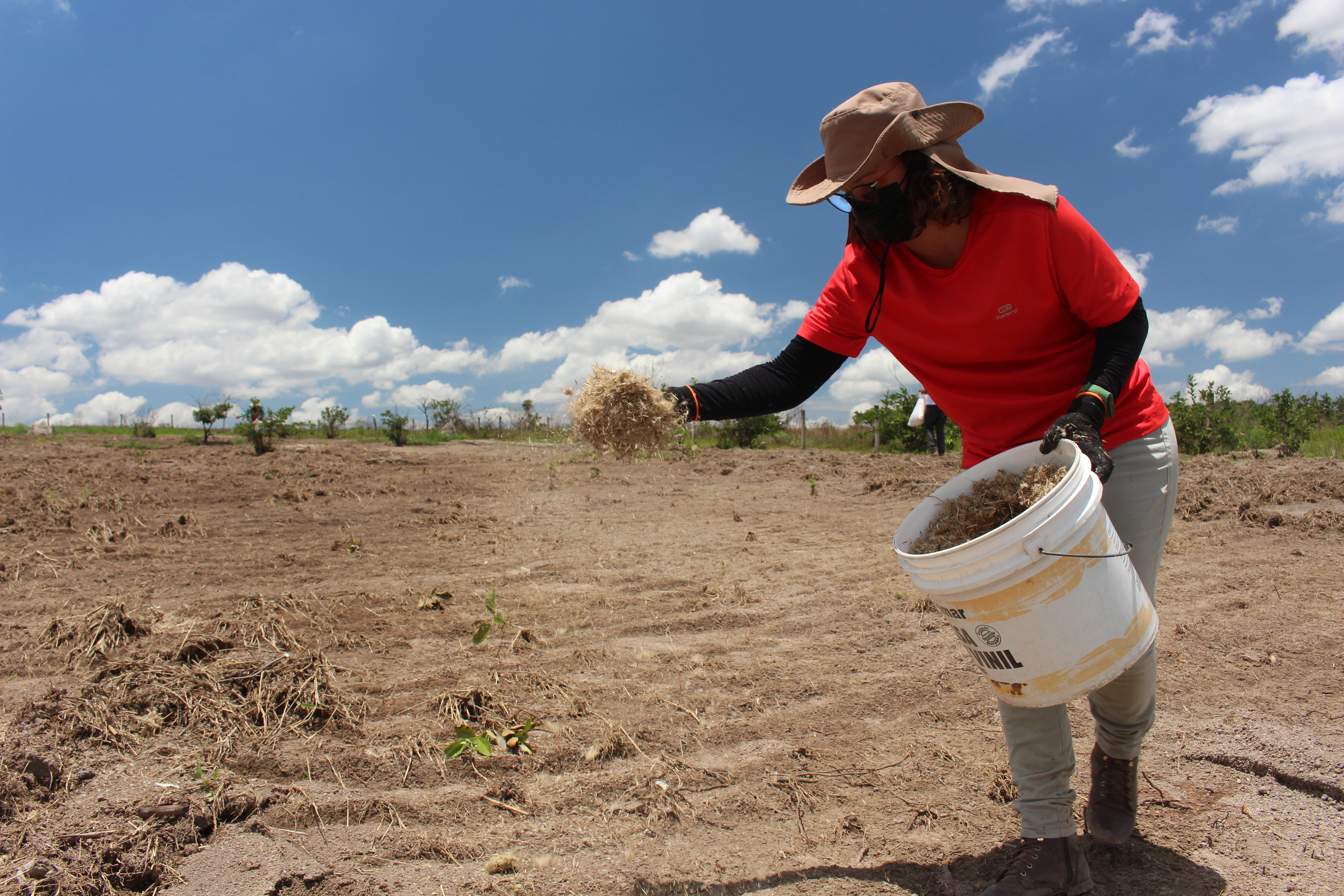
After publishing our seed sourcing paper, I was contacted by key NGOs within Brazil’s restoration supply chain to continue developing resources to support restoration planning under climate change. This collaboration led to the creation of Brazil’s first seed transfer zone system, a resource that complements our tool by helping practitioners identify the best seed sources based on restoration site conditions and climate projections.
Advice for fellow ecologists
If you want your research to be applied, engage with stakeholders from the beginning! Co-designing your study with those responsible for implementing it helps keep the work grounded and ensures the ecological knowledge produced addresses a real-world problem. Stakeholders also struggle to keep up with the literature. Involving them early helps make your research visible before publication and gives them time to absorb new ideas and consider how to integrate our findings into decisions and practices.
Read the full article ‘COSST: A tool to facilitate seed provenancing for climate-smart ecosystem restoration‘ in Journal of Applied Ecology.
Find the other early career researchers and their articles that have been shortlisted for the 2025 Southwood Prize here!
 The Applied Ecologist