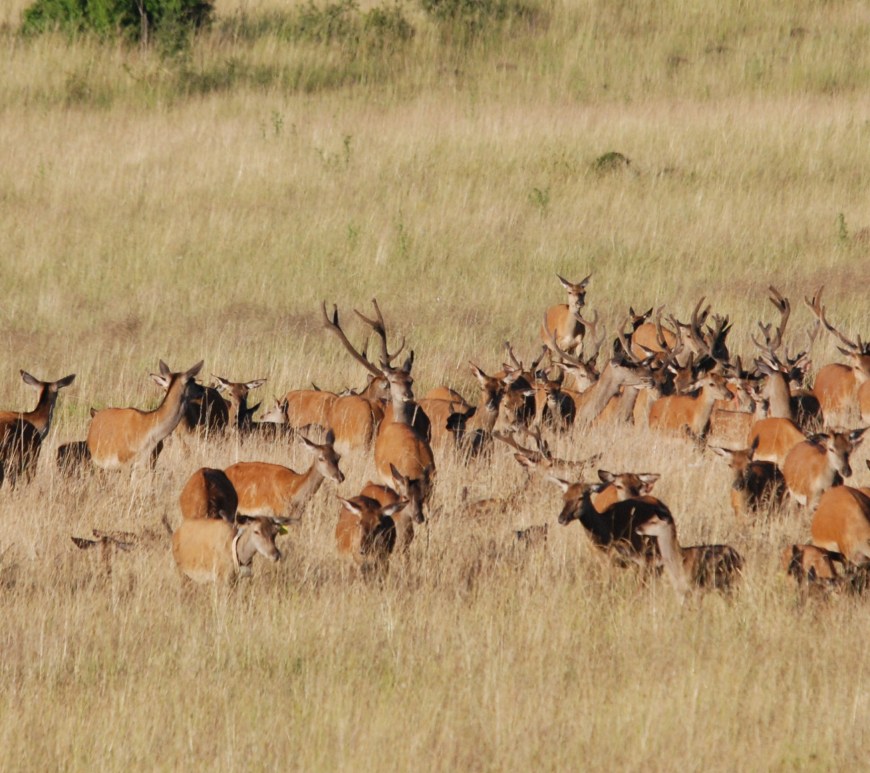
Editor’s Choice 56:6 -Wild and free: red deer grazing for conservation

Issue 56:6’s Editor’s Choice article demonstrates how a ‘hands-off’ approach and grazing by wild ungulates can be just as effective as livestock when it comes to managing grassland biomass – given the specific contexts are considered. Annabel Smith and Jana Eccard share highlights from the research by Friederike Riesch and colleagues, Grazing by wild red deer: Management options for the conservation of semi‐natural open habitats. … Continue reading Editor’s Choice 56:6 -Wild and free: red deer grazing for conservation

Editor’s Choice 56:5 – diverse communities of dung beetles and soil microbiota promote food safety

Associate Editor, Bret Elderd explains the importance of insects and microbes in decreasing risks to humans from pathogens such as E. coli. and discusses issue 56:5’s Editor’s Choice article, Organic farming promotes biotic resistance to foodborne human pathogens by Jones et al. Outbreaks of food poisoning, whether due to Escherichia coli (E. coli) or other food-borne pathogens continually pop-up in the news at what seems … Continue reading Editor’s Choice 56:5 – diverse communities of dung beetles and soil microbiota promote food safety

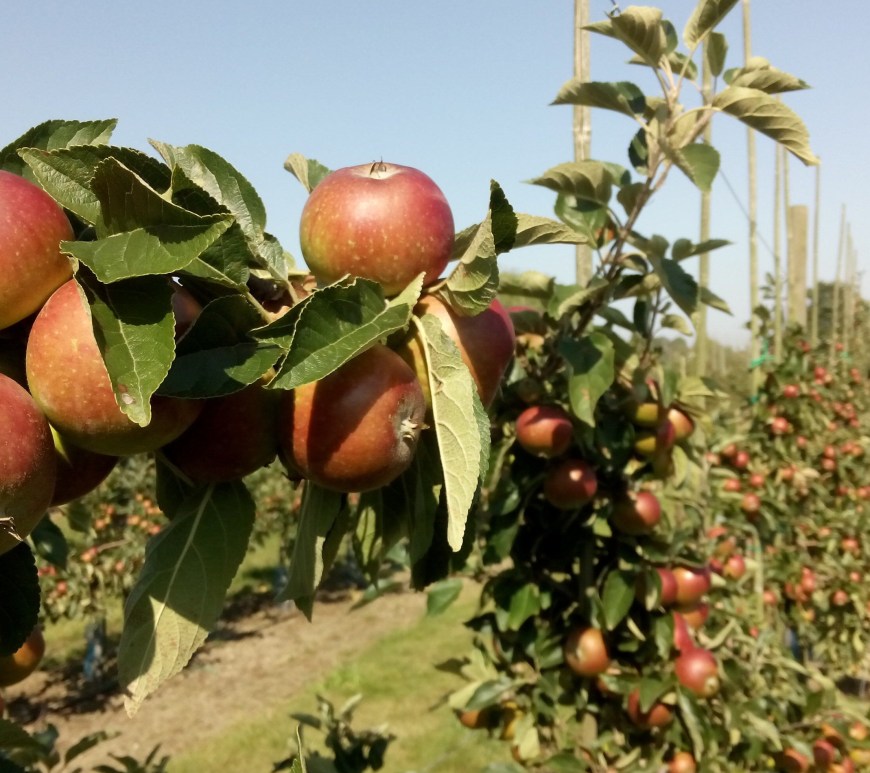
Editor’s Choice 56:4 – A worm in the apple

Issue 56:4’s Editor’s Choice, Management trade-offs on ecosystem services in apple orchards across Europe: Direct and indirect effects of organic production highlights the need for more environmentally friendly pest control approaches in order to keep up with increasing production demands and avoid damage to pollination services. Associate Editor, Juan Corley, comments on the article. Strategy to minimize the negative effects of pests and weeds is … Continue reading Editor’s Choice 56:4 – A worm in the apple

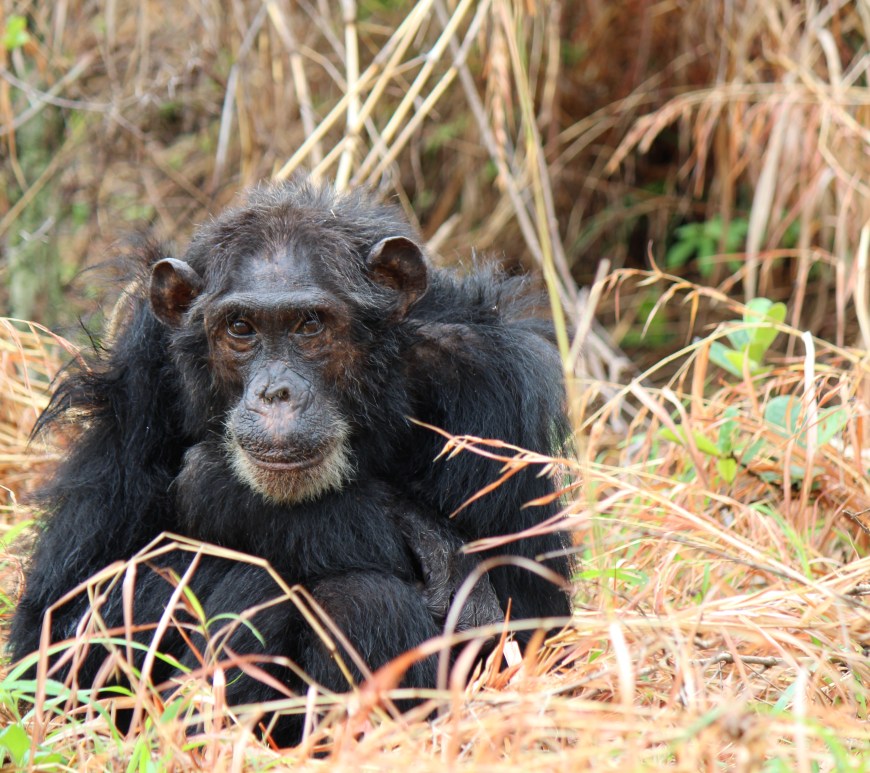
Editor’s Choice 56:3 – Evaluating syndromic surveillance of wildlife disease outbreaks

For issue 56:3’s Editor’s Choice, Associate Editor Silke Bauer explains why Wolf et al.’s model for syndromic surveillance presents an important first step in supporting park managers to better understand and manage wildlife diseases. The selected Editor’s Choice article is Optimizing syndromic health surveillance in free-ranging great apes: The case of Gombe National Park by Tiffany M. Wolf et al. The health status of wildlife … Continue reading Editor’s Choice 56:3 – Evaluating syndromic surveillance of wildlife disease outbreaks

Editor’s Choice 56:2 – A trait-based approach for forest ecosystem management

The Editor’s Choice for issue 56:2 is written by Associate Editor, Alex Fajardo.  The selected article, Maintaining ecosystem properties after loss of ash in Great Britain by Louise Hill et al, focuses on the importance of using plant functional traits to predict potential changes to an ecosystem, following the loss of a key species. In their study, Maintaining ecosystem properties after loss of ash in Great … Continue reading Editor’s Choice 56:2 – A trait-based approach for forest ecosystem management

Editor’s Choice 56:1 – If a tree is felled in the forest, does anybody hear?

Investment in post-logging interventions may be the way to show people have heard, and perhaps more importantly, are acting. Jennifer Firn provides our first Editor’s Choice of Volume 56. The selected article is the Review, Actively restoring resilience in selectively logged tropical forests by Gianluca R. Cerullo and David P. Edwards. I think it’s safe to say you would be hard pressed to find an ecologist … Continue reading Editor’s Choice 56:1 – If a tree is felled in the forest, does anybody hear?

Editor’s Choice 55:6 -Disentangling natural vs anthropogenic influences on predation: reducing impacts on sensitive prey

The Editor’s Choice article for issue 55:6 is Broad‐scale occurrence of a subsidized avian predator: Reducing impacts of ravens on sage‐grouse and other sensitive prey by O’Neil et al. Associate Editor Margaret Stanley explains the importance of this paper and the disentanglement of natural and anthropogenic influences. As a researcher who often fixates on invasive predators, the tricky issues associated with natural predation, from native predators that … Continue reading Editor’s Choice 55:6 -Disentangling natural vs anthropogenic influences on predation: reducing impacts on sensitive prey

Editor’s Choice 55:5 – Value of information: when to learn and when to manage in conservation

The Editor’s Choice for issue 55:5 is written by Associate Editor, Hedley Grantham. The selected article is When to monitor and when to act: Value of information theory for multiple management units and limited budgets by Bennett et al. Investment in data can improve our understanding of which management actions provide the greatest cost benefits, where and when. But many management decisions are not based … Continue reading Editor’s Choice 55:5 – Value of information: when to learn and when to manage in conservation

Editor’s Choice 55:4 – Applying ecology to inform plant disease management policy and avoid regulator-grower conflict

The Editor’s Choice for issue 55:4 is written by Senior Editor, Phil Stephens. The selected article is Grower and regulator conflict in management of the citrus disease Huanglongbing in Brazil: A modelling study by Craig et al. Plant disease is already recognised as a major driver of crop yield losses. With a huge proportion of the growing human population’s food intake dependent on a relatively … Continue reading Editor’s Choice 55:4 – Applying ecology to inform plant disease management policy and avoid regulator-grower conflict

Editor’s Choice 55:3 – Targeted supplementary feeding supports reintroduction of endangered raptors

The Editor’s Choice for issue 55:3 is by Associate Editor, Des Thompson. The selected article is Reintroducing endangered raptors: A case study of supplementary feeding and removal of nestlings from wild populations by Miguel Ferrer et al. In his classic book Population Ecology of Raptors (1979), Ian Newton (one of the co-authors of this featured paper) concluded: ‘…in the absence of human intervention almost every aspect of … Continue reading Editor’s Choice 55:3 – Targeted supplementary feeding supports reintroduction of endangered raptors