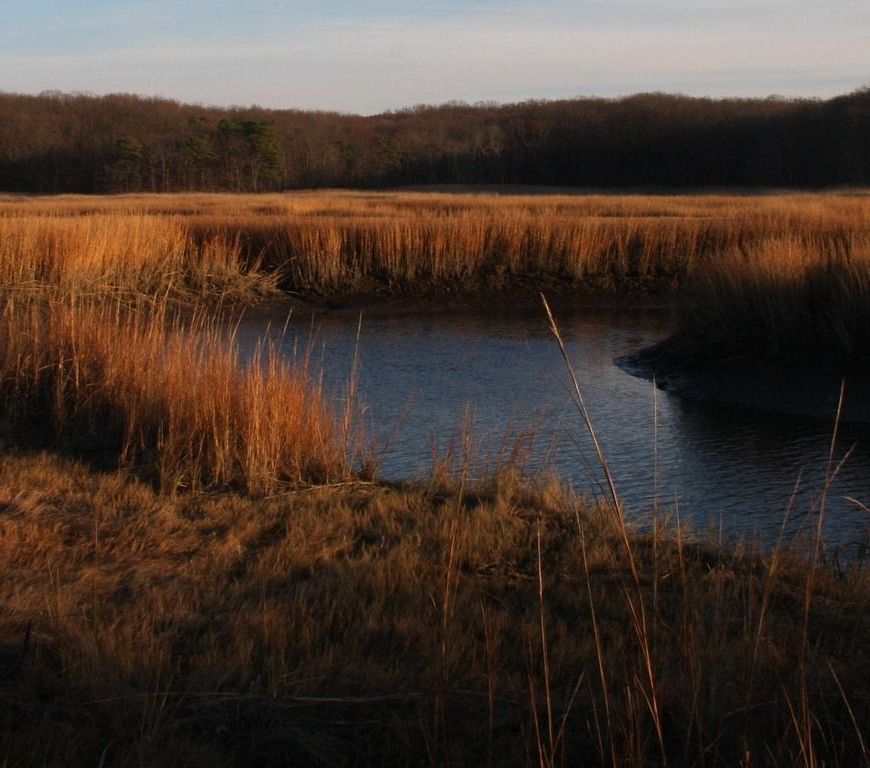
Dirt to the rescue: Using sediment to restore evolving saltmarshes in the subtropics

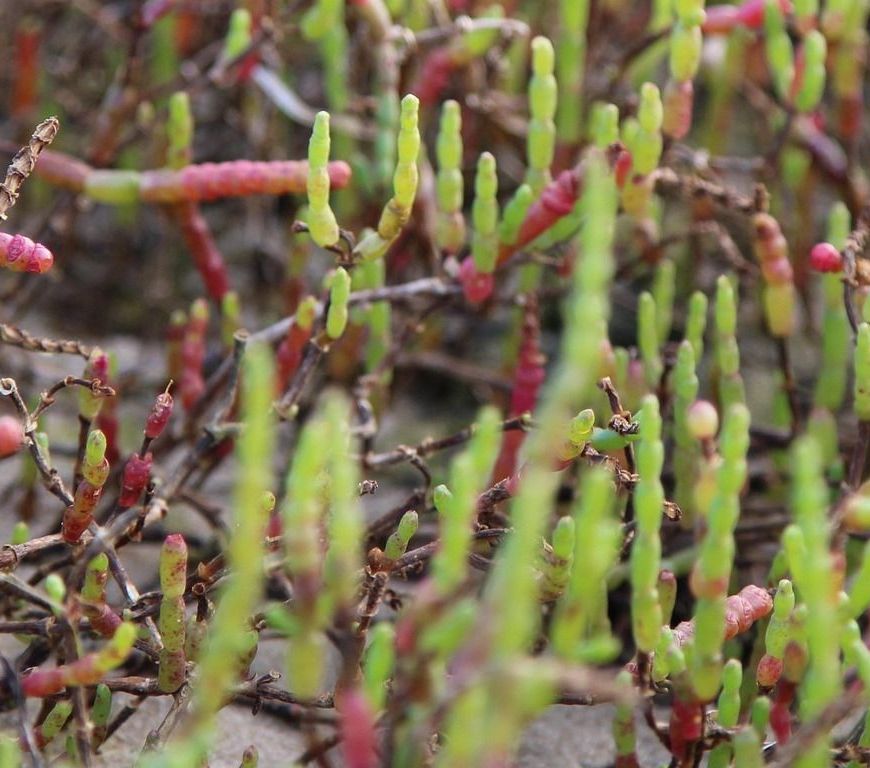
Coastal wetlands such as saltmarshes and mangrove forests provide benefits including storm protection and fisheries support to millions of people around the world. Yet, these habitats are changing rapidly as sea levels rise and temperatures warm, especially in areas affected by both of these stressors at the same time. In the subtropics, for example, saltmarshes are deteriorating from sea level rise while also transitioning to … Continue reading Dirt to the rescue: Using sediment to restore evolving saltmarshes in the subtropics

Insect farming can repeat the invasion mistakes of aquaculture – unless we act early

Insect farming is often promoted as a sustainable alternative to conventional livestock, with the potential to reduce land use, emissions, and pressure on natural resources. However, scaling up any food production system also carries environmental risks. In this study, we show that one important risk – biological invasions caused by escaped farmed species – has received far too little attention in the rapidly growing insect … Continue reading Insect farming can repeat the invasion mistakes of aquaculture – unless we act early

Plant mixture effects on soil nitrogen cycling

We conducted a global synthesis using paired observations of plant mixtures and corresponding monocultures to determine the long-term effects of plant diversity on soil N pools and N transformations. Our findings demonstrate that plant mixtures improve the sustainability of nitrogen cycling and reduce N2O emissions in the long term. We suggest that the conservation and restoration of terrestrial plant diversity should be designated as a … Continue reading Plant mixture effects on soil nitrogen cycling

Bringing back birds to Mediterranean heathlands one cut and one burn at a time

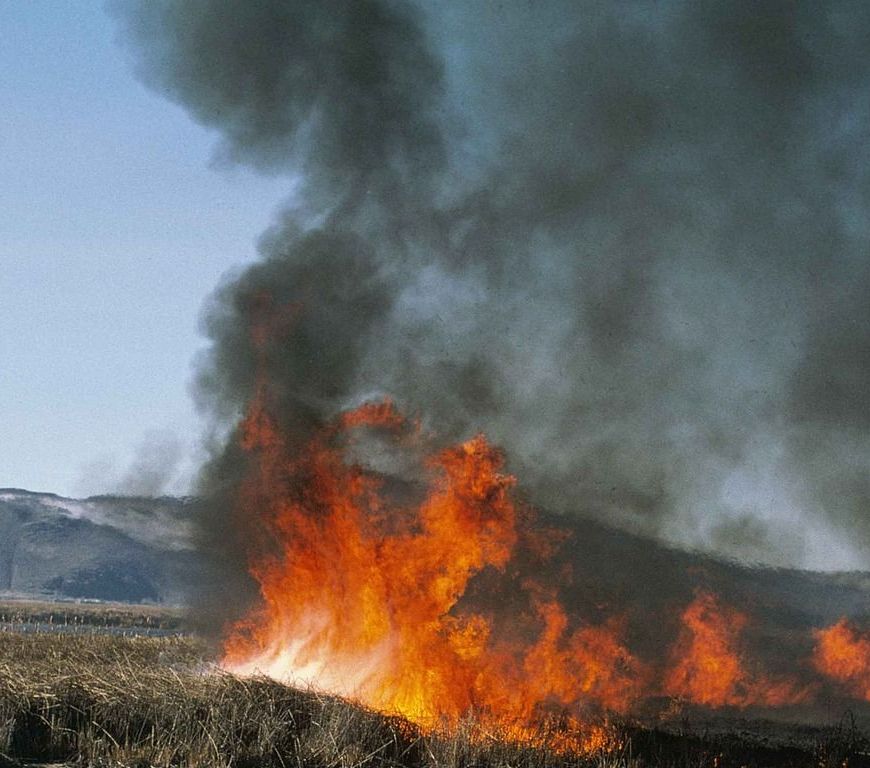
For centuries, the heathlands of Tuscany in north-central Italy were used to graze livestock and to harvest heather for making brooms (the old witch-style ones) and other wares. These traditional land-use practices maintained perfect habitat for birds like the woodlark and tawny pipit – specialists of open and shrubby habitats. But here, and throughout Europe, birds that depend on open habitats like heathlands and grasslands … Continue reading Bringing back birds to Mediterranean heathlands one cut and one burn at a time

What happens belowground when invasive species are controlled?

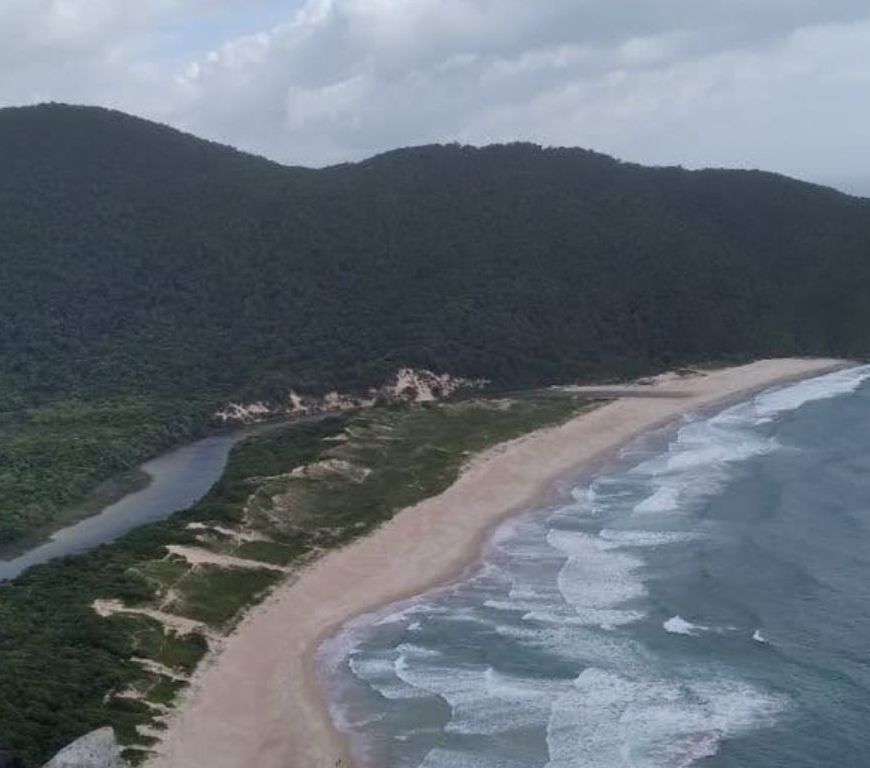
A better understanding of what happens belowground when restoring coastal vegetation may be useful to better plan restoration. However, little is known about what happens belowground when invasive species are controlled in restoration settings. My students and I used a protected area of sandy coastal vegetation in an island in Southern Brazil as a model to investigate belowground dynamics in plant communities under restoration. These … Continue reading What happens belowground when invasive species are controlled?

How climate change affects carbon storage in Mediterranean pine forests

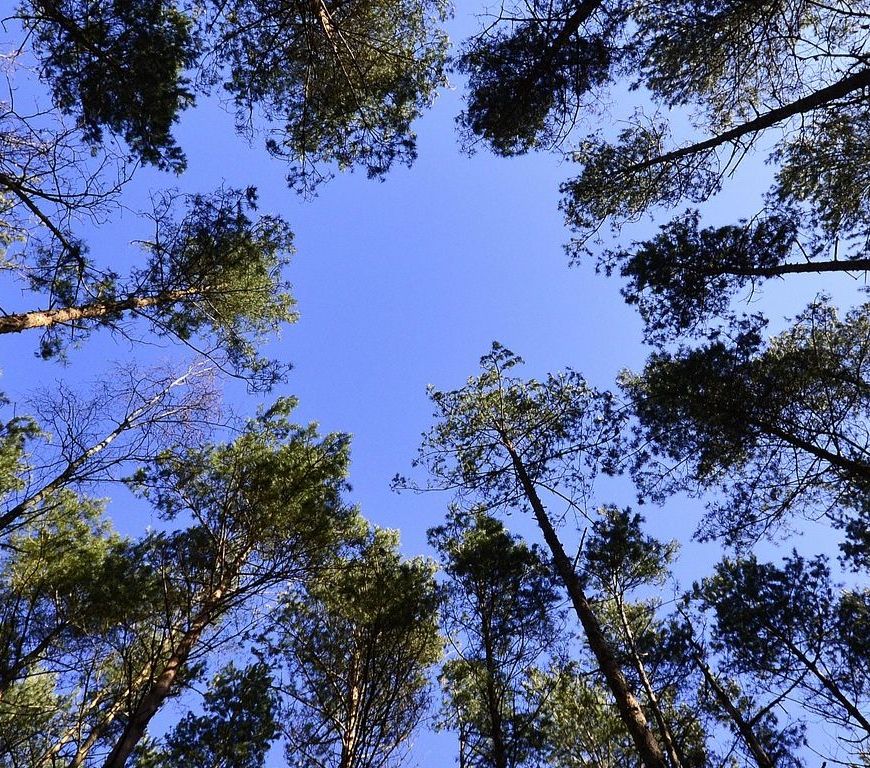
Reforestation is widely promoted as a way to mitigate climate change by capturing carbon from the atmosphere. However, its real success depends on how trees invest (allocate) the carbon they capture, that is, how much they invest to grow leaves, stems or roots, particularly under warmer and drier conditions. In this study, we analysed how climate affects carbon allocation in large-scale pine reforestations across the … Continue reading How climate change affects carbon storage in Mediterranean pine forests

The launch of Plain Language Summaries: Journal of Applied Ecology

Following author feedback collected as part of our recent Editorial on how we can make research published in Journal of Applied Ecology more accessible, we are delighted to announce the launch of Plain Language Summaries. What are they? Plain Language Summaries, also referred to as lay summaries, are simple short-form overviews of published academic articles. Their main aim is to ensure that research is made … Continue reading The launch of Plain Language Summaries: Journal of Applied Ecology