U.S. policy-based management improves grassland bird nest survival – although finer-scale habitat has superior predictive ability

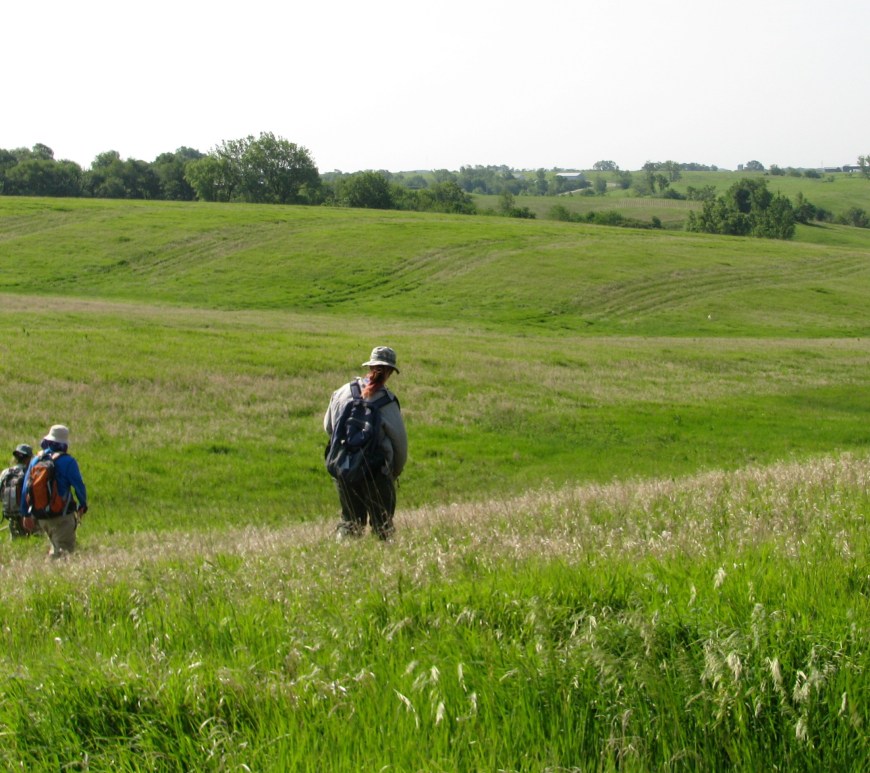
In a recent study, Justin Shew and colleagues found nest survival improved with policy-based management and establishing native grasses but conclude finer-scale details often have superior predictive ability from a multi-scale perspective. Read more about their findings here. A video summary of their work is also available. Grassland and farmland bird populations have been declining around the world and these declines are primarily attributed to … Continue reading U.S. policy-based management improves grassland bird nest survival – although finer-scale habitat has superior predictive ability

Editor’s Choice 56:3 – Evaluating syndromic surveillance of wildlife disease outbreaks

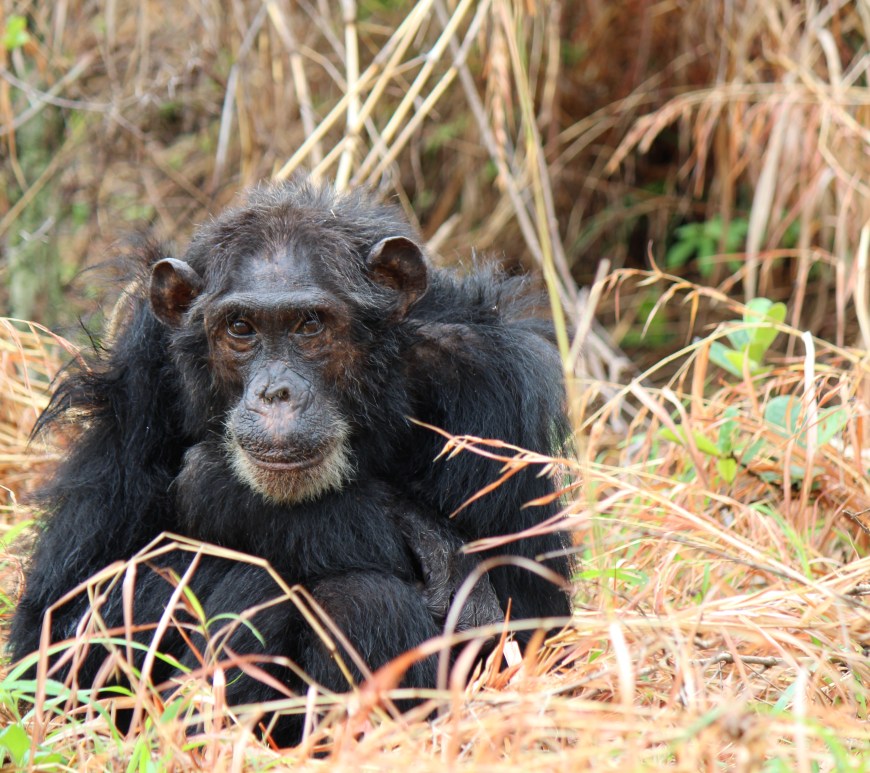
For issue 56:3’s Editor’s Choice, Associate Editor Silke Bauer explains why Wolf et al.’s model for syndromic surveillance presents an important first step in supporting park managers to better understand and manage wildlife diseases. The selected Editor’s Choice article is Optimizing syndromic health surveillance in free-ranging great apes: The case of Gombe National Park by Tiffany M. Wolf et al. The health status of wildlife … Continue reading Editor’s Choice 56:3 – Evaluating syndromic surveillance of wildlife disease outbreaks

Rewilding in Britain: a case study

Over the past few weeks, The Applied Ecologist’s Blog and Relational Thinking have been exploring the hot topic of rewilding from a number of different interdisciplinary and management angles.  Now Sophie Wynne-Jones and Chris Sandom turn their focus to the UK as a, perhaps unexpected, example of where rewilding has grown. If you ask someone in Britain whether or not they have heard of rewilding, … Continue reading Rewilding in Britain: a case study

On the horizon: Options for cultivating rice as climate changes and salinity increases

For the latest post in our series looking at developing issues in the world of conservation, Erica Fleishman explores food security and the production of rice in a changing climate. Rising sea levels, drought, and agricultural irrigation have increased the salinity of soils in both coastal and inland areas. Mineral deficiencies and toxicity may accompany local increases in salinity. As a result, scientists aim to … Continue reading On the horizon: Options for cultivating rice as climate changes and salinity increases

Good fences make good neighbours

For the latest post in our joint series with Relational Thinking, Stephen Carver compares passive and active approaches to rewilding and discusses his contribution to the new book in the Ecological Reviews series. The opening paragraphs of my chapter on land abandonment neatly mirror some of the online discussions I’ve been having about rewilding recently, the latest of which concerns the origins of rewilding in … Continue reading Good fences make good neighbours

Long-term European LIFE project key for the recovery of an endangered Egyptian vulture population

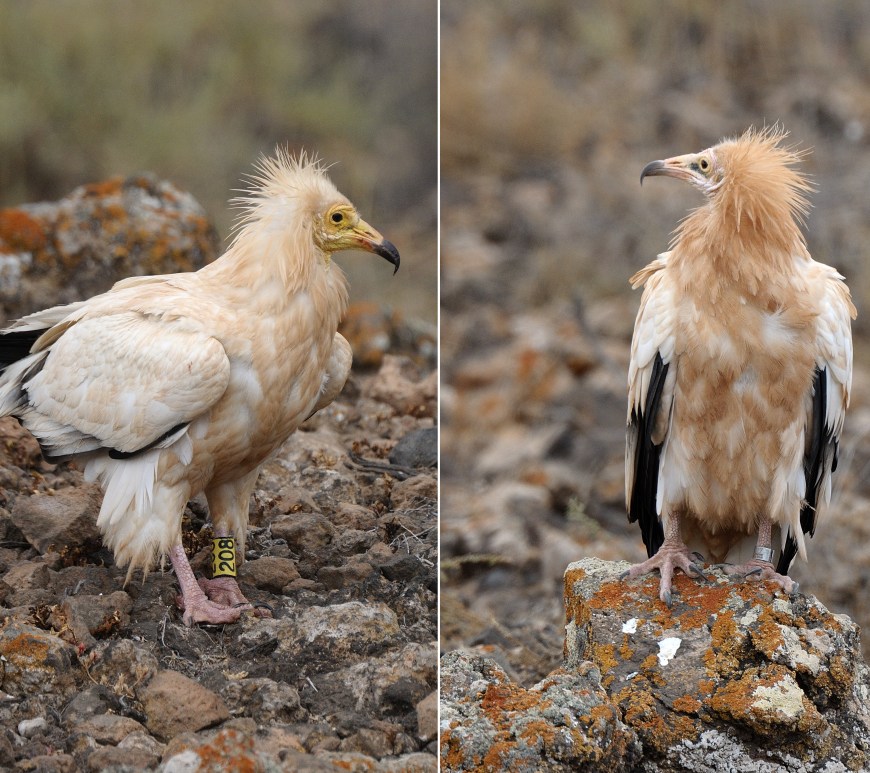
In new research, Jaume Adrià Badia‐Boher and colleagues highlight the need for long-term monitoring of conservation programmes. Here, co-author, Ana Sanz‐Aguilar demonstrates one success story of this nature, in conservation of the Canary Egyptian Vulture. The population of one of the most endangered raptors in Europe, the Canary Egyptian Vulture (Neophron percnopterus majorensis), is recovering. This is one of the main conclusions reached by an international … Continue reading Long-term European LIFE project key for the recovery of an endangered Egyptian vulture population

Cover stories: Gouldian opportunity

This month’s cover species, The Gouldian Finch (Erythrura gouldiae) is a threatened Australian granivorous bird and one of 637 Kimberley wildlife species allocated cost‐effective management priorities using the Priority Threat Management process. Here the photographer, Bruce Doran shares more images from his surprise encounter with this hard-to-spot bird. The photograph of the Gouldian Finches was the result of an incidental observation in the Victoria River … Continue reading Cover stories: Gouldian opportunity

Grazers and fire management: conservation from a ‘systems’ perspective

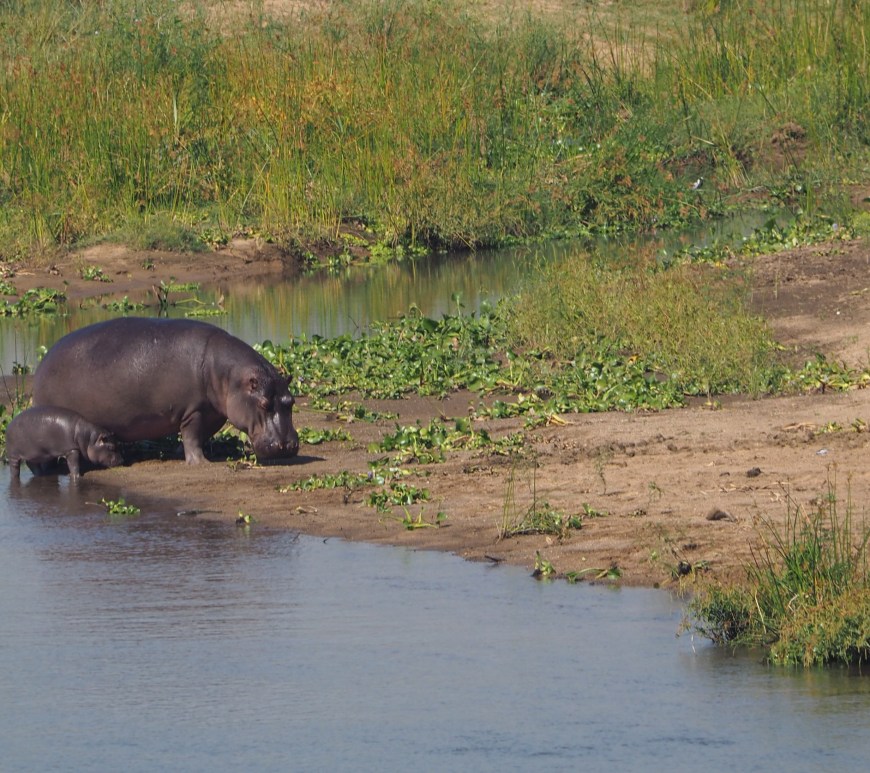
How do grazing herbivores like hippos affect the influence of fire? Following a recently published article, Izak Smit demonstrates the need for interdependence between herbivore and fire management. Grazing animals and fire are in direct competition – both of them consume grass. Previous continental-scale studies suggest that grazing animals have the competitive advantage in drier and more nutritious landscapes, whilst fires dominate in wetter and … Continue reading Grazers and fire management: conservation from a ‘systems’ perspective

Trophic rewilding: restoring top-down food web processes to promote self-managing ecosystems

Continuing our series on rewilding, Jens-Christian Svenning from the Center for Biodiversity Dynamics in a Changing World, Aarhus University, focuses in on trophic rewilding. Here he considers the foundations and open-ended nature of this approach, and explains why there is still plenty of room for more research in this area. There is rapidly increasing interest in rewilding as an alternative to more human-controlled approaches to … Continue reading Trophic rewilding: restoring top-down food web processes to promote self-managing ecosystems

BES journal blog roundup: January 2019

It’s already been a busy 2019 for the six British Ecological Society journal blogs. We’ve covered topics from leaving the nest, to sustainable food production, to stress in academia, to climate change. On Relational Thinking we learned that cats can’t trespass. And Animal Ecology in Focus taught us that some crabs steal food from plants. Head over to the Methods Blog to look back at … Continue reading BES journal blog roundup: January 2019