The potential of second-growth forests for bird diversity in a small holder landscape

Mareike Kortmann and co-authors share a summary about their latest study which focusses on the ability of sample coverage to impact diversity measures of bird communities in tropical lowland forests. Tropical old-growth forests are disappearing at an alarming rate, leading to concerning biodiversity loss. But amidst this global decline, some forest areas are also recovering. Second-growth forests—those that regenerate after agricultural use—may offer valuable contributions … Continue reading The potential of second-growth forests for bird diversity in a small holder landscape

Salvage logging and subsequent post-windthrow management diminish forest bird communities for two decades

In this blog post, Michał Walesiak shares how increased bird diversity in an area of unmanaged windthrow persisted over a 20-year span in Poland. Natural disturbances in forests, such as hurricanes, fires, bark beetle outbreaks, often evoke negative emotions in people. Many find it hard to believe that hurricanes, fires, bark beetles… may actually bring some benefits to nature, such as increase in biodiversity! This … Continue reading Salvage logging and subsequent post-windthrow management diminish forest bird communities for two decades

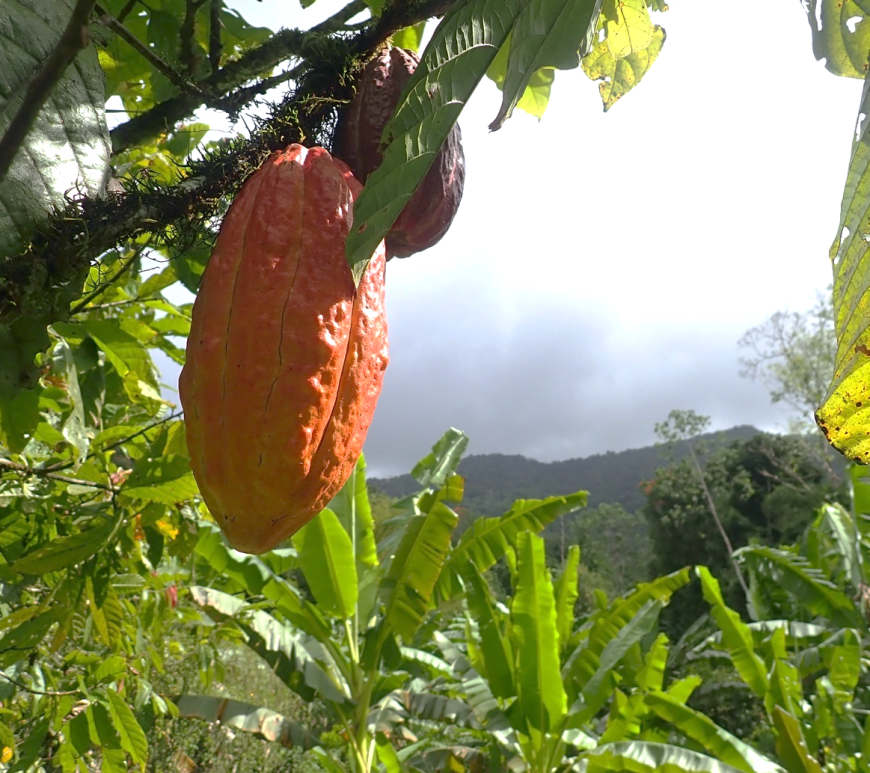
The hidden benefits of chocolate: cacao agroforests offer a conservation solution that supports biodiversity and livelihoods.

New work by Arnold and colleagues shows that sustainably grown cacao is a conservation solution which can support both people and nature, and that cacao agroforests and secondary forest can enrich regional biodiversity. Conservation initiatives have traditionally focused on protecting untouched natural areas. While this is important, we also need to understand how biodiversity can be promoted not as an alternative to human use of … Continue reading The hidden benefits of chocolate: cacao agroforests offer a conservation solution that supports biodiversity and livelihoods.