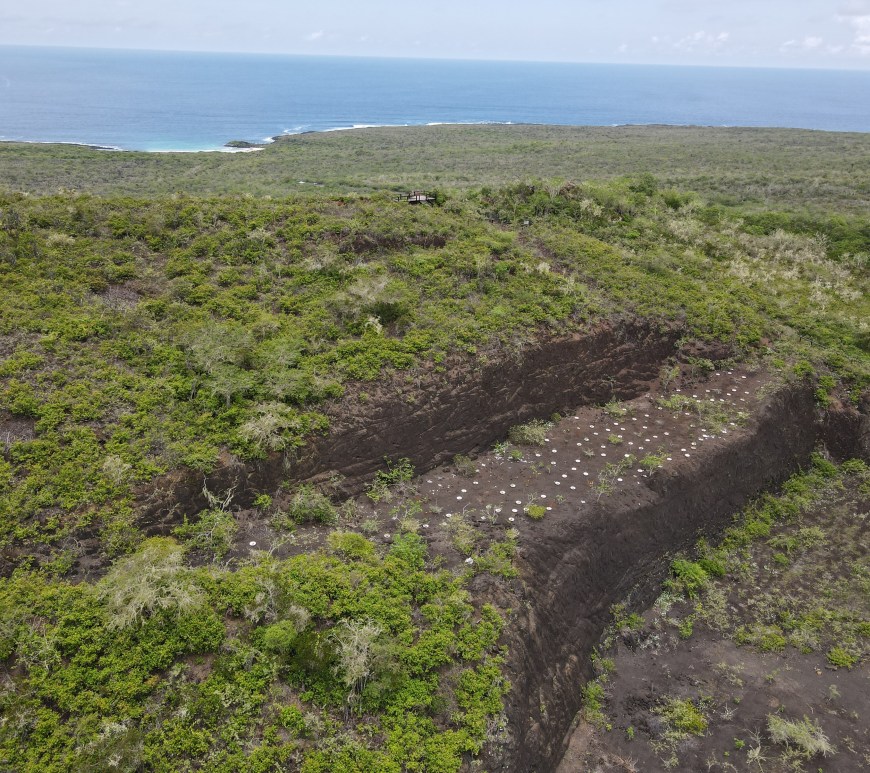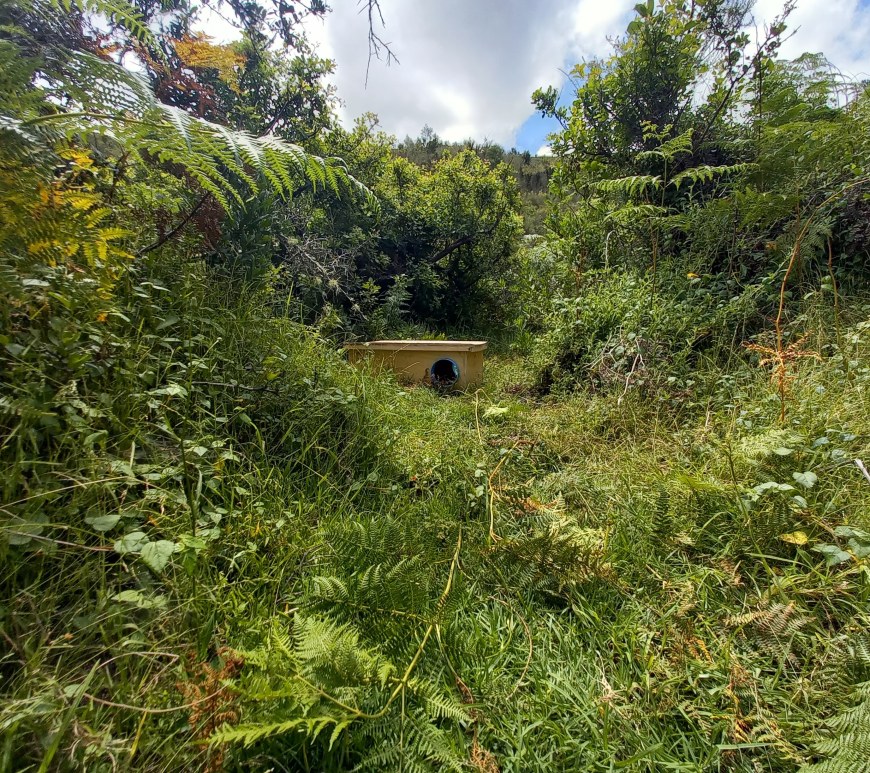
Quarries and garbage dumps inside the Galapagos National Park: How can we restore them?

Anna Calle-Loor, co-author of a new publication, shares her team’s experience assessing the survival of plant species in the Galapagos to inform decision-making amongst stakeholders. When you think of the Galapagos Islands, what comes to mind? Perhaps volcanic landscapes, giant tortoises and other unique wildlife, scenes that could easily belong in a nature documentary. But behind this iconic scenery lies a less picturesque reality: the … Continue reading Quarries and garbage dumps inside the Galapagos National Park: How can we restore them?

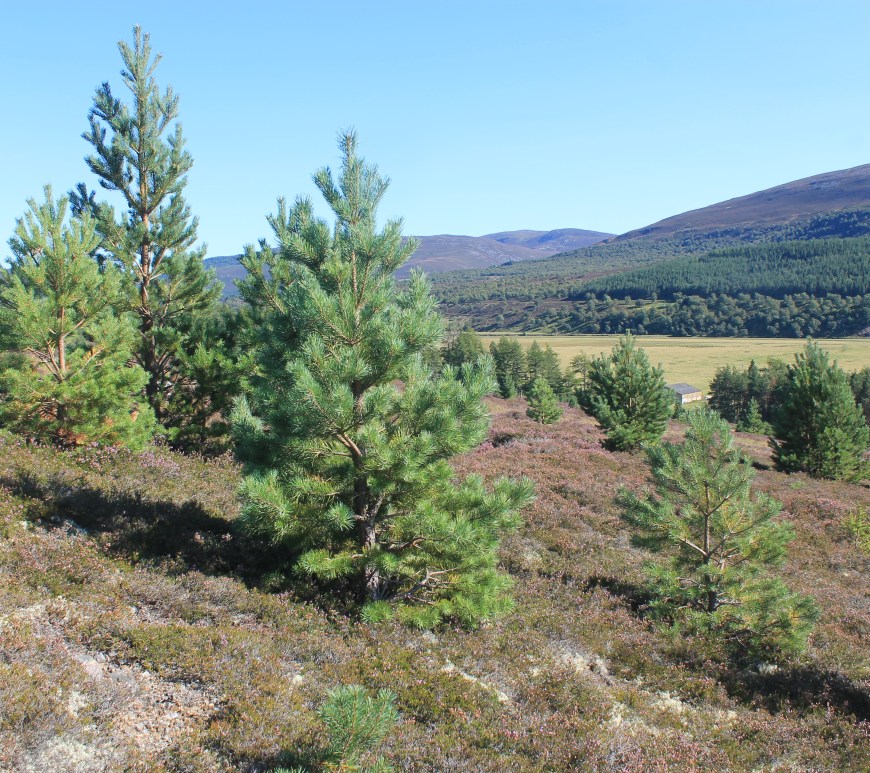
Project to restore and expand Scotland’s ancient forests provides a boost to moth biodiversity

Patrick Cook and his team share their experience investigating how moths respond to a landscape-scale woodland expansion project at Mar Lodge Estate in the Scottish Highlands. Background Upland landscapes in Scotland have a low cover of native woodland yet provides an excellent opportunity to expand woodland cover for biodiversity. For instance, native pinewood now covers less than 18,000 hectares in 84 small areas and an … Continue reading Project to restore and expand Scotland’s ancient forests provides a boost to moth biodiversity

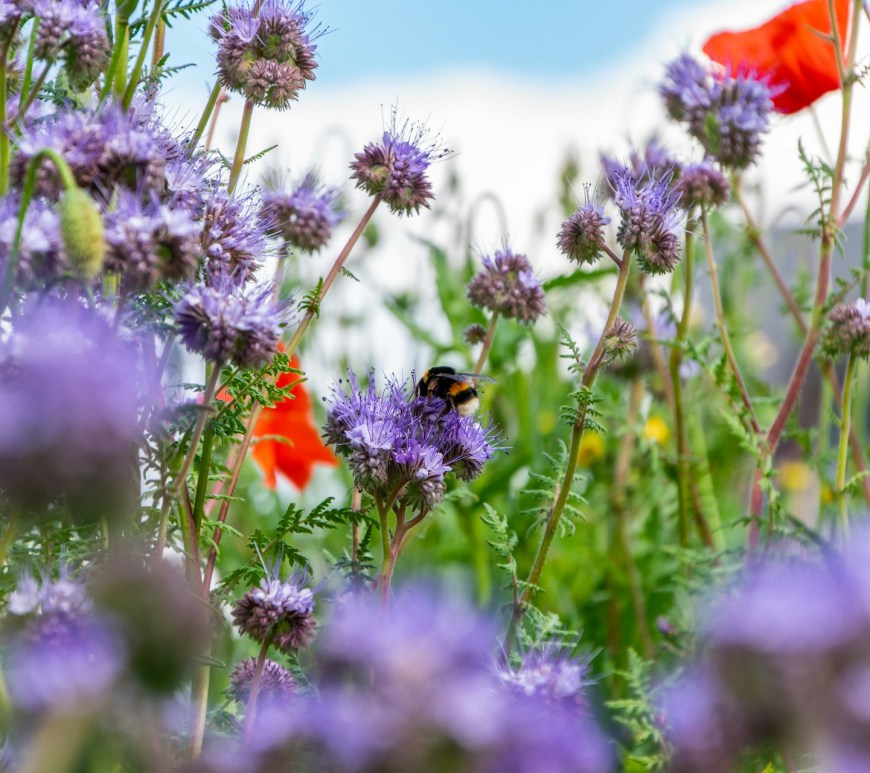
Listening to solitary bees to learn about their activity patterns

Susič et al. share their experience studying solitary bee activity at nesting boxes using passive acoustic monitoring and analysing the data using neural networks. There are thousands of species of solitary bees and they play important roles in their ecosystems, the best known being the pollinators of various plants. Several species choose holes in wood to make their nests – they fill each chamber they … Continue reading Listening to solitary bees to learn about their activity patterns

Don’t forget the little guys: improving monitoring efforts for African small carnivores

Small carnivores are ecologically important species and key indicators of environmental change. However, for many of these species, we lack robust information on their conservation status, geographic distribution, and tolerance to anthropogenic threats. In this post, researchers from Nelson Mandela University share their experience with an emerging camera trapping method aimed at improving monitoring efforts for African small carnivores. For a wide array of species, … Continue reading Don’t forget the little guys: improving monitoring efforts for African small carnivores

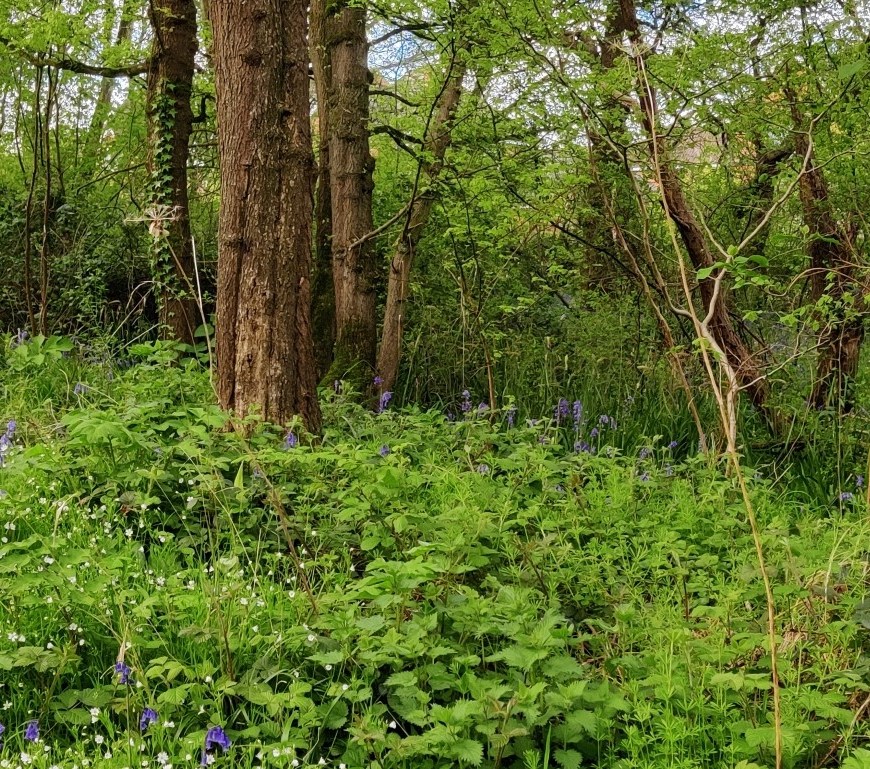
Documenting decades of change in urban ancient woodlands

Holly Clare Woo shares her team’s experience investigating the impact of urbanisation on ancient woodlands in the UK. Imagine yourself in an ancient woodland: with a dappled canopy of broadleaf trees, some showing signs of historic coppicing, and a carpet of English bluebells, studded with Wood Anemones, Greater Stitchwort, Early Purple orchids, Herb Paris and other rare and specialist woodland species. You are in a … Continue reading Documenting decades of change in urban ancient woodlands

Research and Elimination of Archipelago Racoon Dogs

Mikko Toivola and co-authors share a summary about their latest study which focuses on the movements of an invasive mesopredator within the Archipelago areas of Finland. The raccoon dog has been known to occur in the archipelago areas of Finland for a long time. However, the role of the species as part of the archipelago ecosystem is largely unknown. How many individuals live in a … Continue reading Research and Elimination of Archipelago Racoon Dogs

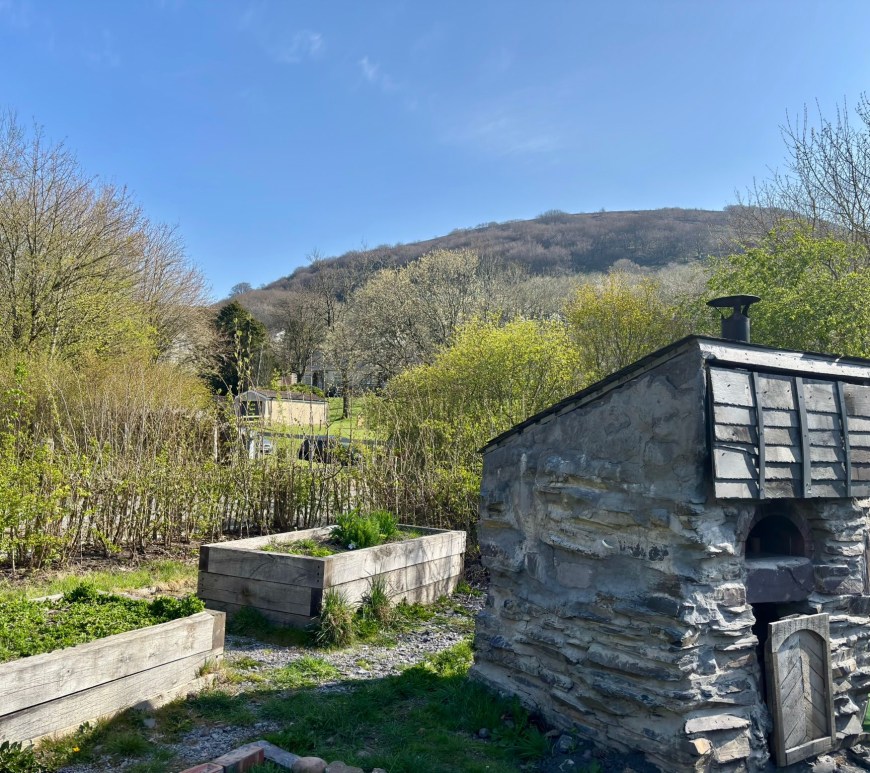
From the Ground Up: Stories about Community Regeneration in South Wales

Field reflections written by Charlotte, Emily, Tara, Diesha and Anouk who are studying on the University of Surrey’s BSc in Environment and Sustainability degree programme. Meet Charlotte, Emily, Tara, Diesha and Anouk As Surrey University Undergraduates of The Center of Environment and Sustainability, we have had the opportunity to travel to SouthWest Wales in the objectives of studying and investigating environmental regeneration. Our group of: … Continue reading From the Ground Up: Stories about Community Regeneration in South Wales

Breaking Boundaries: Why Knowledge Exchange is the Missing Link for Impact in the Ecology Sector 

By Valentine Seymour, Sarah Golding, Melissa Marselle.  Meet Melissa, Sarah and Valentine  Melissa Marselle is a Lecturer in Environmental Psychology at the University of Surrey, with expertise in the application of psychological theory and methods to biodiversity conservation questions.  Sarah Golding is a Knowledge Exchange Fellow at the University of Surrey. She is a health psychologist by training and her passions lie in applied health … Continue reading Breaking Boundaries: Why Knowledge Exchange is the Missing Link for Impact in the Ecology Sector 

Restoring Landscapes: can sustainable harvesting of wild plants and fungi help to restore landscapes?

In the ‘Restoring Landscapes’ blog series, we are promoting knowledge exchange from restoration projects around the world. Wild plants and fungi have long provided food, medicine, and income for communities around the world, and underpinned multiple food, cosmetic and health supply chains. But could they also help restore degraded landscapes? A new toolkit developed through a partnership led by TRAFFIC is helping landscape restoration practitioners … Continue reading Restoring Landscapes: can sustainable harvesting of wild plants and fungi help to restore landscapes?

The impact of downhill skiing on birds

Mattia Brambilla & Francesca Roseo share their experience researching the impact of skiing on biodiversity. Up and down mountains, along with their winged inhabitants For many years, both of us have been passionate skiers. We engaged in ski competitions in our youth and deeply enjoyed downhill skiing, along with the other various outdoor activities in the mountains. But then something changed along the way. Ski … Continue reading The impact of downhill skiing on birds