Scotland’s iconic Red deer threatened by invasive ‘super Sika’

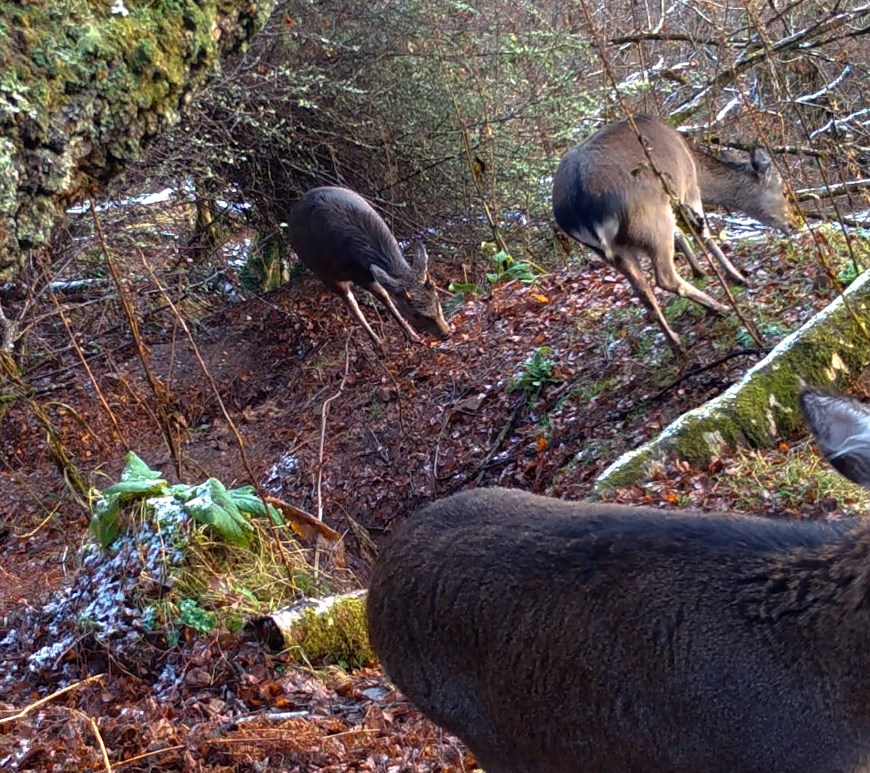
Calum Brown and his team share their findings on managing native and non-native deer species in Scotland and discuss potential solutions. Scotland’s deer numbers are thought to be at an all-time high. Although estimates vary, something like a million deer currently roam the land, around double the numbers present in 1990. This growing population has serious impacts, including limiting the regeneration of our small, fragmented … Continue reading Scotland’s iconic Red deer threatened by invasive ‘super Sika’

Badger social structure maintained despite selective culling

In their new study, Allen et al. present a case study in Northern Ireland (NI) showing how selective culling can be less disruptive to badger social structures than indiscriminate culling. This method could be an effective and more socially acceptable means of controlling bovine tuberculosis (bTB) in wildlife. The SARS-CoV-2 pandemic has raised consciousness on the issue of human disturbance of ecosystems and how this … Continue reading Badger social structure maintained despite selective culling

Editor’s Choice 56:11 – badger behaviour compromises TB eradication efforts

Our November Editor’s Choice article raises the question of whether the culling of badgers could increase the risk of TB spread in cattle, as badgers in culled areas travel further. Associate Editor, Andrew Park, looks at context and management implications of Ham et al.’s recent findings. Bovine tuberculosis (TB) is an important livestock disease in the UK, where it has been increasing since the 1990s … Continue reading Editor’s Choice 56:11 – badger behaviour compromises TB eradication efforts

Grazers and fire management: conservation from a ‘systems’ perspective

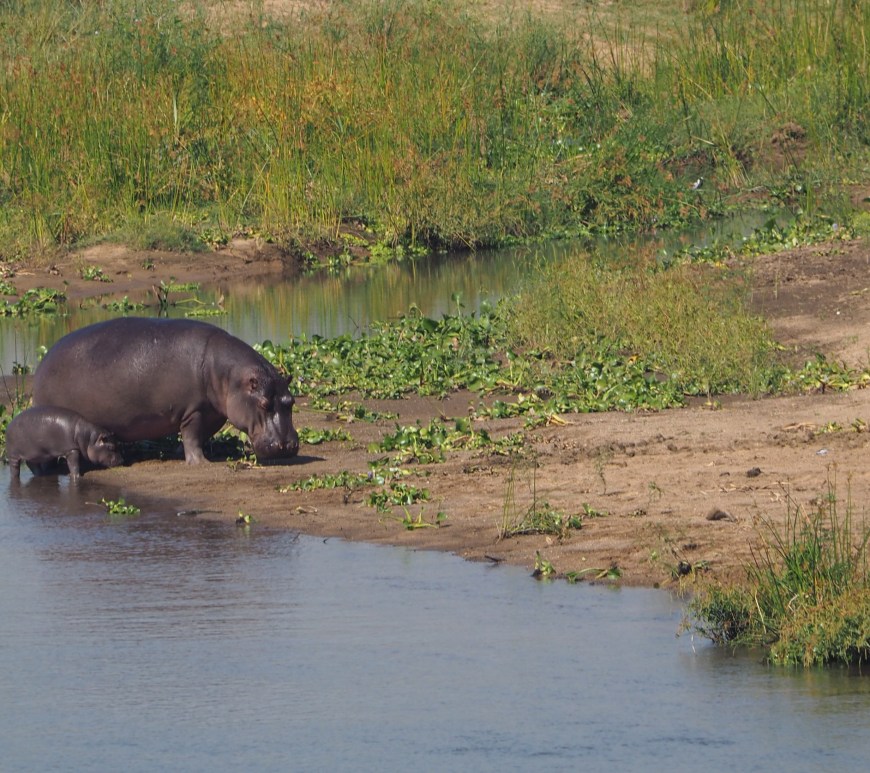
How do grazing herbivores like hippos affect the influence of fire? Following a recently published article, Izak Smit demonstrates the need for interdependence between herbivore and fire management. Grazing animals and fire are in direct competition – both of them consume grass. Previous continental-scale studies suggest that grazing animals have the competitive advantage in drier and more nutritious landscapes, whilst fires dominate in wetter and … Continue reading Grazers and fire management: conservation from a ‘systems’ perspective