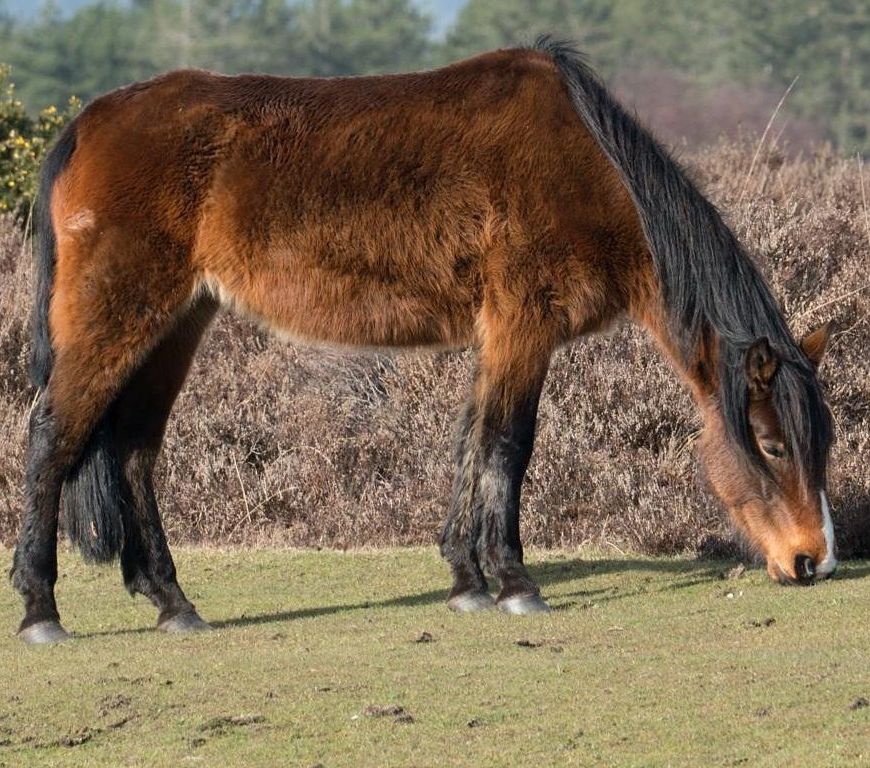
Impacts of proactive health management on cattle and horse diets and dung biodiversity in Danish rewilding areas

Emil S. Thomassen explains the recent diet study of rewilded cattle and horses, showing functional differences between the two species and reveals the impacts of management actions on this functionality as described in their latest research. The use of DNA metabarcoding for herbivorous diet analysis is a promising tool, yielding high-resolution data on plant consumption. In a time, where nature restoration and conservation are of … Continue reading Impacts of proactive health management on cattle and horse diets and dung biodiversity in Danish rewilding areas
Biodiversity in landscape mosaics: Local land use, landscape and dung beetle assemblages

Raquel Carvalho and Ellen Andresen explain new research that evaluates the impact of land use, landscape structure, and their interactions, on dung beetles, a group of insects that provides many ecosystem services. Carvalho et al demonstrated that both factors act together to shape biodiversity patterns, and that the effect of landscape structure often depends on the specific land use studied. The problem Understanding the impact … Continue reading Biodiversity in landscape mosaics: Local land use, landscape and dung beetle assemblages

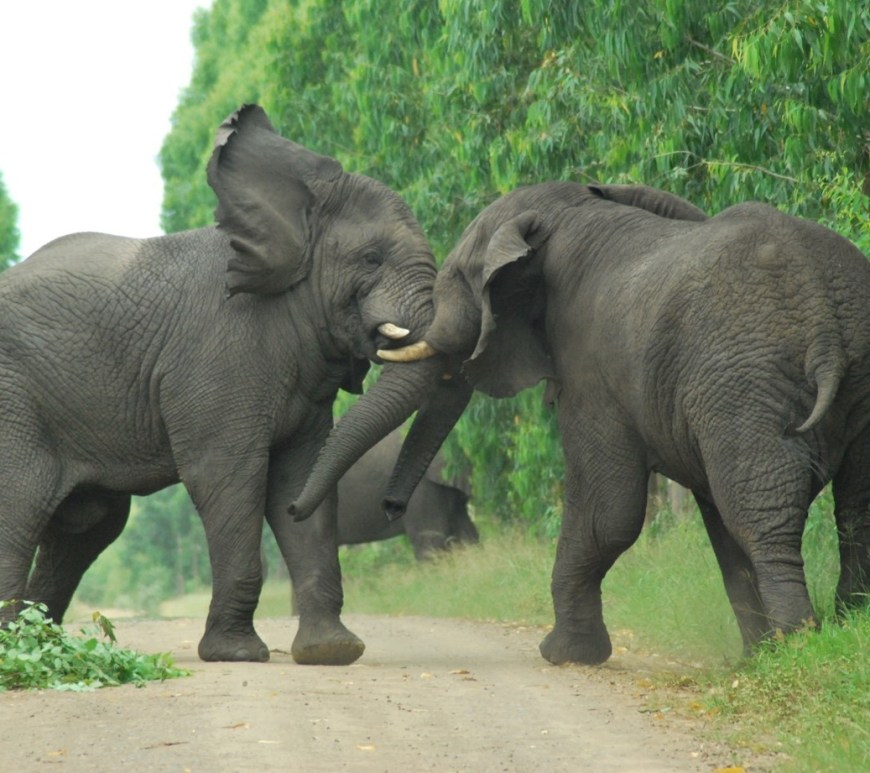
Large African herbivore diversity is essential in transformed landscapes for conserving dung beetle diversity

In their new study, Pryke, Roets and Samways discuss how a diverse range of large African herbivore species is essential for the conservation of dung beetles within transformed landscapes, and argue that the maintenance of functional diversity outside protected areas requires the inclusion of large mammals in conservation plans. Dung beetles need the dung of large mammals to feed and reproduce. In doing so, they … Continue reading Large African herbivore diversity is essential in transformed landscapes for conserving dung beetle diversity

Editor’s Choice 56:5 – diverse communities of dung beetles and soil microbiota promote food safety

Associate Editor, Bret Elderd explains the importance of insects and microbes in decreasing risks to humans from pathogens such as E. coli. and discusses issue 56:5’s Editor’s Choice article, Organic farming promotes biotic resistance to foodborne human pathogens by Jones et al. Outbreaks of food poisoning, whether due to Escherichia coli (E. coli) or other food-borne pathogens continually pop-up in the news at what seems … Continue reading Editor’s Choice 56:5 – diverse communities of dung beetles and soil microbiota promote food safety

Measuring the success of reforestation for restoring biodiversity and ecosystem functioning

This blog post discusses a recent paper by Mia Derhé, ‘Measuring the success of reforestation for restoring biodiversity and ecosystem functioning‘. Restoring rainforests: Recovering both biodiversity and ecosystem functioning Rapid anthropogenic forest change means that many countries are now running out of large areas of primary forest and so the future of tropical forest biodiversity depends more than ever on the effective management and restoration … Continue reading Measuring the success of reforestation for restoring biodiversity and ecosystem functioning