A stark warning for UK blanket bog

Jonny Ritson talks us through the latest modelling study, conducted alongside colleagues, aiming to determine how suitable future conditions will be for both peat accumulation and Sphagnum survival in the UK. Bioclimatic envelope models have been used as a tool to map the climate conditions under which specific habitats occur. By defining the conditions suitable for peat formation, for example, we can then use projections of future … Continue reading A stark warning for UK blanket bog

The “bright side” of invasive species – with Portuguese and Spanish translations

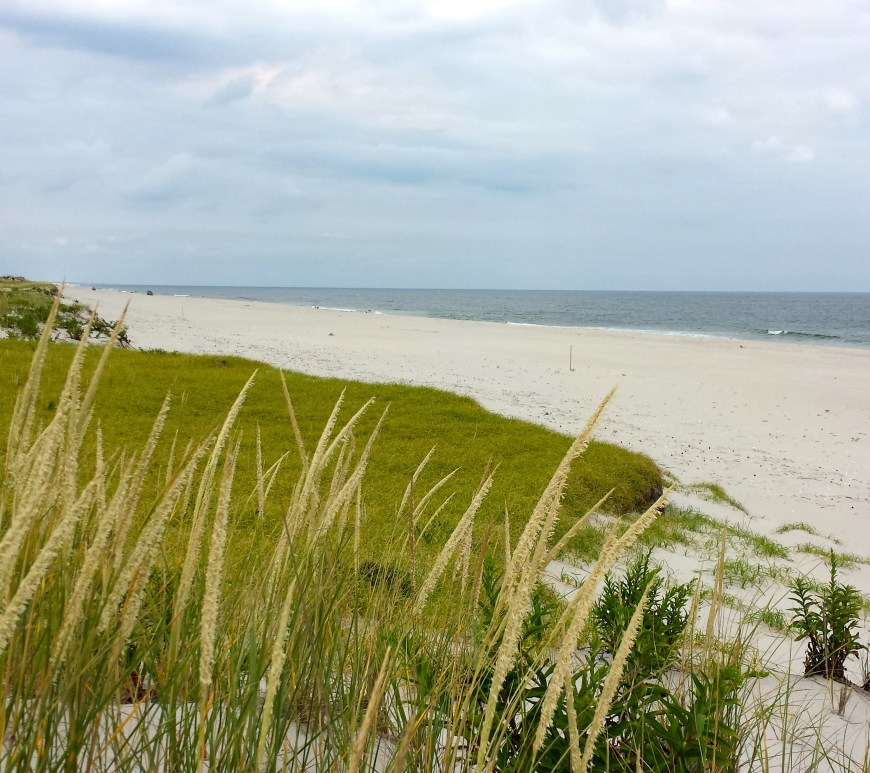
In this post Karen Castillioni discusses a recent paper by Bianca Charbonneau and colleagues ‘A species effect on storm erosion: Invasive sedge stabilized dunes more than native grass during Hurricane Sandy‘. Karen has also provided Portuguese and Spanish translations of this post to reach out to Portuguese and Spanish readers interested in this topic. Journal of Applied Ecology is dedicated to making papers more accessible … Continue reading The “bright side” of invasive species – with Portuguese and Spanish translations

When a hurricane knocks, call on plants to protect

In this post Bianca R. Charbonneau discusses her recent paper ‘A species effect on storm erosion: Invasive sedge stabilized dunes more than native grass during Hurricane Sandy‘ You can also read another blog post about this paper here: ‘The “bright side” of invasive species – with Portuguese and Spanish translations‘ Coastal zones are arguably the most dynamic terrestrial habitats worldwide by nature of their location … Continue reading When a hurricane knocks, call on plants to protect