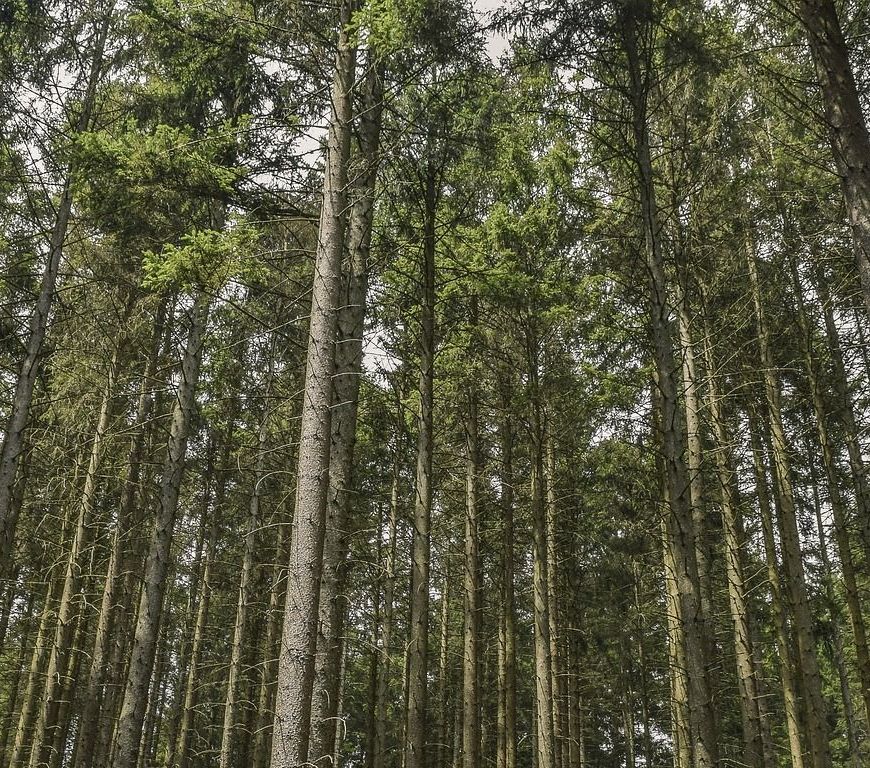
Mixed forests and delicious seeds: How tree species change the relationship between rodents and seeds

In this blog post, Pedro Mittelman and Bernado Araújo discuss how forest composition can affect plant–animal interactions without necessarily altering animal communities or population densities. Forest mortality We are walking through a dead forest. It is not yet winter, but as we move amid still standing Norway spruce (Picea abies) trunks along the Harz mountains, we find no leaves attached to them. Here, approximately 20,000 … Continue reading Mixed forests and delicious seeds: How tree species change the relationship between rodents and seeds
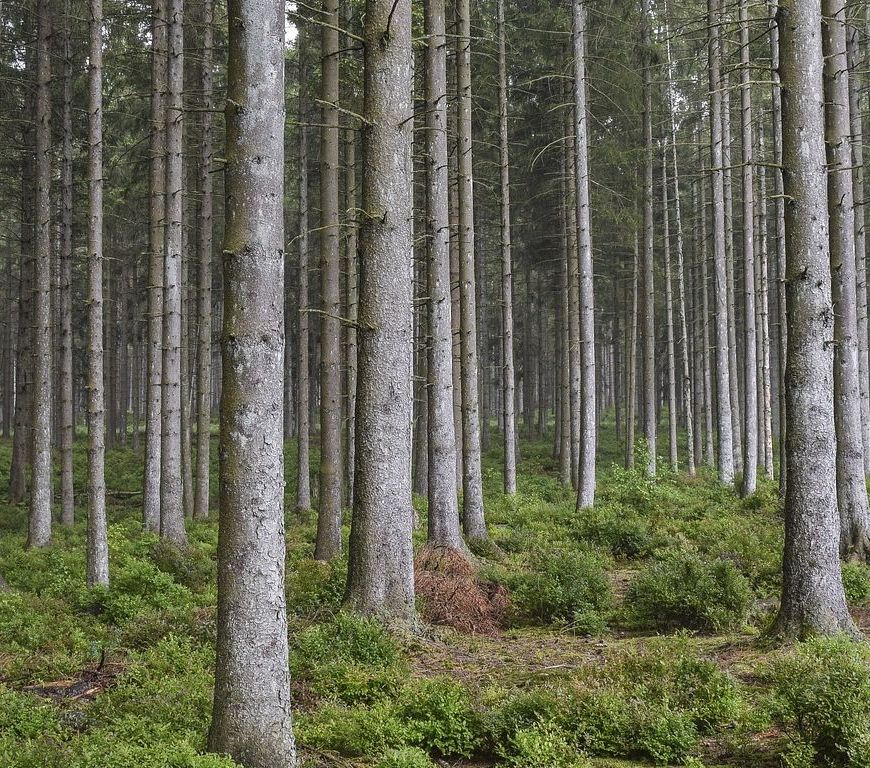
Bark beetles in boreal forests: Calm before the storm?

In this week’s blog post, Jostein Gohli and authors discuss their recent research which explores how climatic and management-related factors influence bark beetle population sizes in boreal forests. The European spruce bark beetle The European spruce bark beetle (Ips typographus) is a notorious tree-killer in spruce-dominated forests. The last 5-10 years it has caused enormous problems in Central Europe, killing hundreds of millions of spruce … Continue reading Bark beetles in boreal forests: Calm before the storm?

A decadal study reveals that restoration guided by an umbrella species does not reach target levels

Author Albin Larsson Ekström discusses how their latest research evaluates the decadal effects of restoration aimed at the white-backed woodpecker on the biodiversity of saproxylic beetles. The study suggests that, for restoration to be successful, both continuous and repeated restoration efforts are needed. Restoration guided by the umbrella species concept A long history of intensive forest management has transformed the forests of Sweden into well-managed … Continue reading A decadal study reveals that restoration guided by an umbrella species does not reach target levels

A novel view of salvage logging in Europe’s spruce forests

In their recently published research, Laura Dobor, Tomáš Hlásny and colleagues investigate how different levels of intensity in salvage logging affect both bark beetle outbreaks and  landscape-scale carbon storage. Salvage logging – the removal of trees killed by wind, insects and other agents – is one of the most frequently applied management responses to forest disturbances worldwide. In European Norway spruce forests, salvaging of windfelled … Continue reading A novel view of salvage logging in Europe’s spruce forests