Silver fir seed quality varies with age, fir-associated forest cover, and climate conditions of seed production stands in Austria

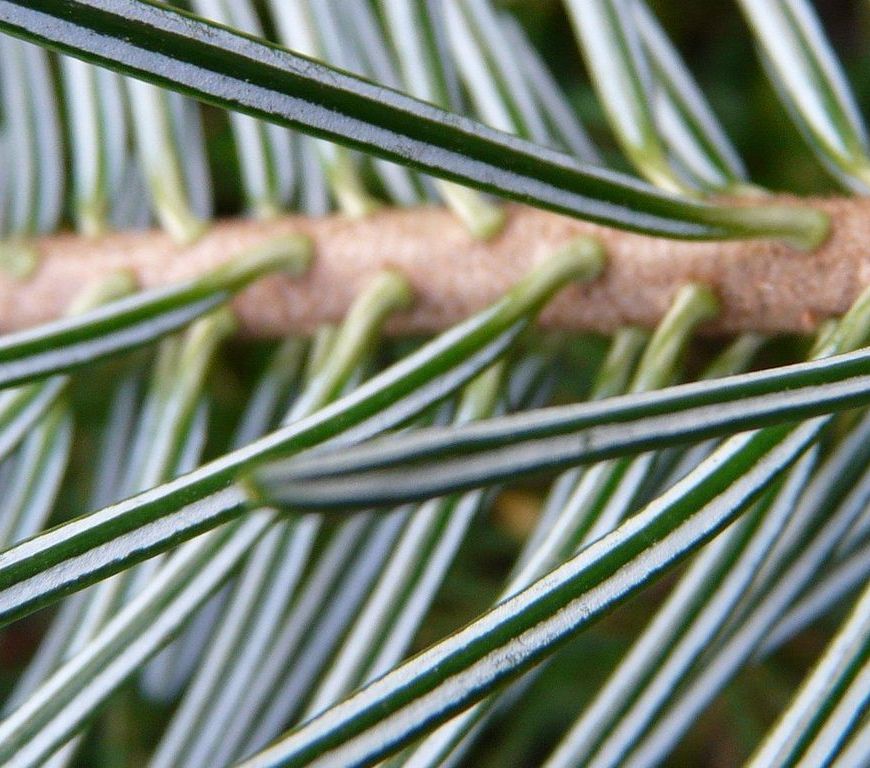
Reforestation and forest restoration require large numbers of high-quality seeds and seedlings. In Austria, seeds of silver fir—a species important for adapting forests to climate change—are often of low quality. Therefore, it would be helpful to identify the factors that affect seed quality so we can better predict and plan seed harvests. Our study looked at whether seed quality differs between seeds from seed orchards … Continue reading Silver fir seed quality varies with age, fir-associated forest cover, and climate conditions of seed production stands in Austria

Seed additions facilitate herb-layer restoration in a temperate oak woodland

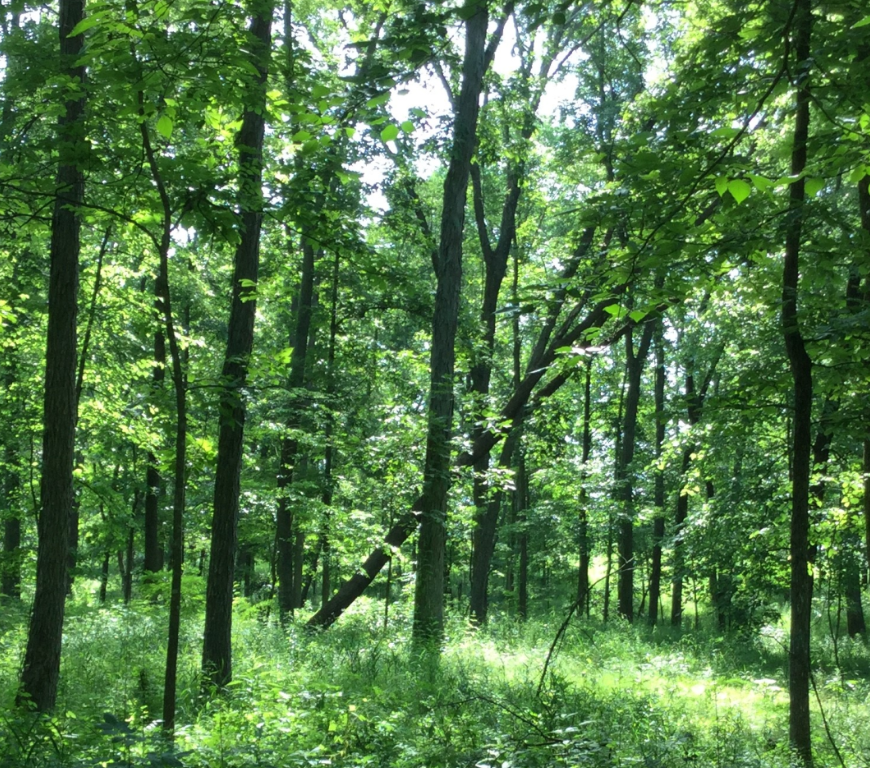
Originally posted and adapted from Natural History of Ecological Restoration blog. Andrew Kaul and colleagues present their latest research exploring whether seed additions can improve restoration outcomes in oak woodlands. Throughout most of the eastern United States, oak woodlands were once a widespread and dominant ecosystem. These woodlands experienced periodic fires, which prevented woody trees and shrubs from growing so densely that the overstory canopy … Continue reading Seed additions facilitate herb-layer restoration in a temperate oak woodland

Tree islands for tropical forest restoration: the outlook is rosy after 10 years

Source: Tree islands for tropical forest restoration: the outlook is rosy after 10 years Shared from Natural history of Ecological Restoration, Leighton Reid comments on his article, Local tropical forest restoration strategies affect tree recruitment more strongly than does landscape forest cover. The article was recently published as part of the Toward prediction in the restoration of biodiversity Special Feature in Journal of Applied Ecology. Planting tree … Continue reading Tree islands for tropical forest restoration: the outlook is rosy after 10 years