Shortlisted for the 2025 Southwood Prize
About the research
Overview
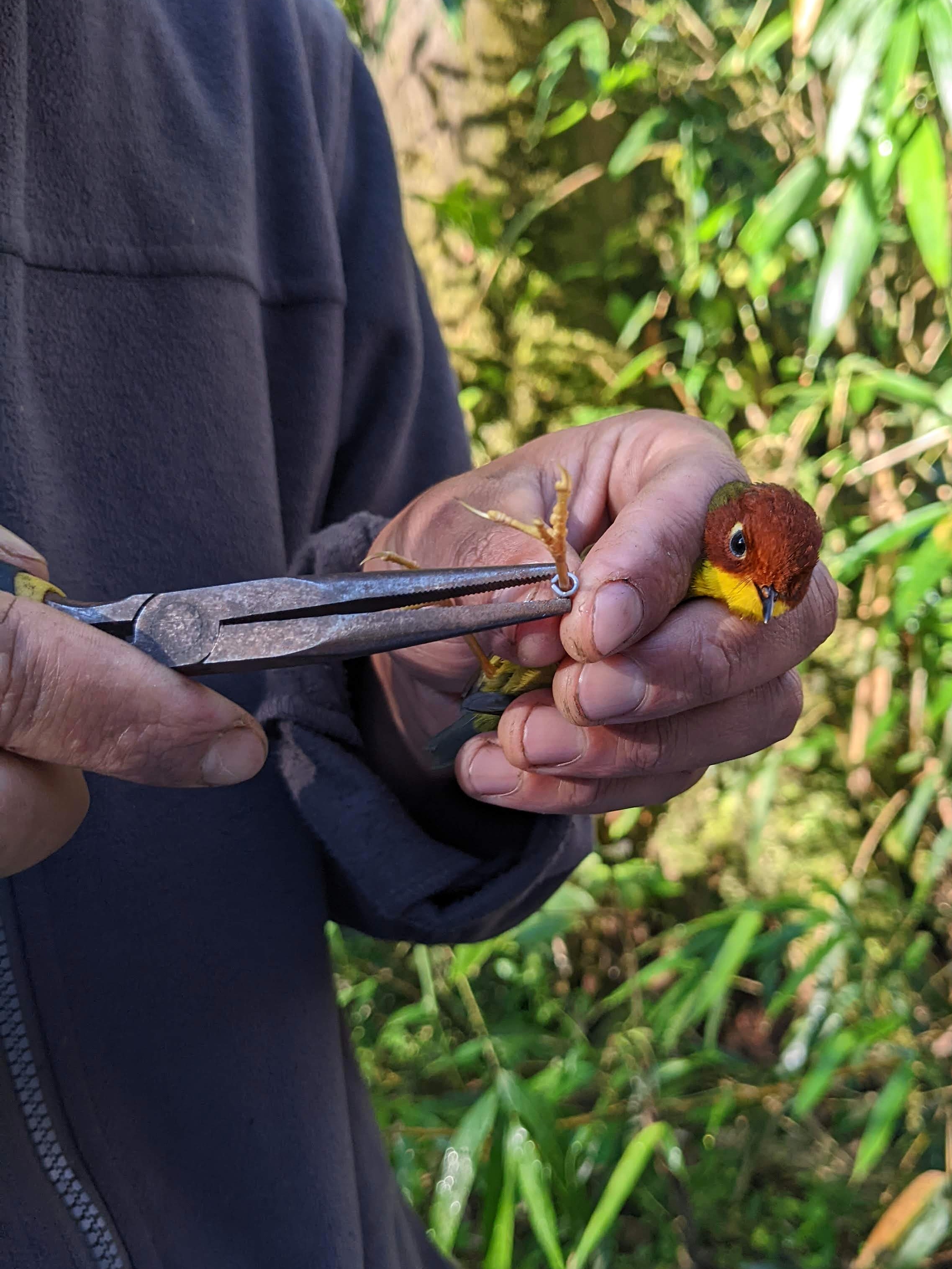
The eastern Himalaya is a global biodiversity hotspot housing nearly 10% of the world’s bird diversity. In recent years, the region has experienced rapid climate warming (three times faster than the global average), which is further compounded by habitat degradation. The determinants of how various bird species respond physiologically and demographically to these synergistic changes is hitherto understudied. Using a long-term mark-recapture dataset and temperature-humidity loggers, our study investigates microclimatic niche shifts induced by selective logging, and how it impacts the survival and body condition of eastern Himalayan birds.
Surprises and challenges
Spending time in the eastern Himalaya studying these beautiful species is always a thrill. We work in the Eaglenest Wildlife Sanctuary, a protected area spanning an elevational gradient from 600m to 3100m ASL.
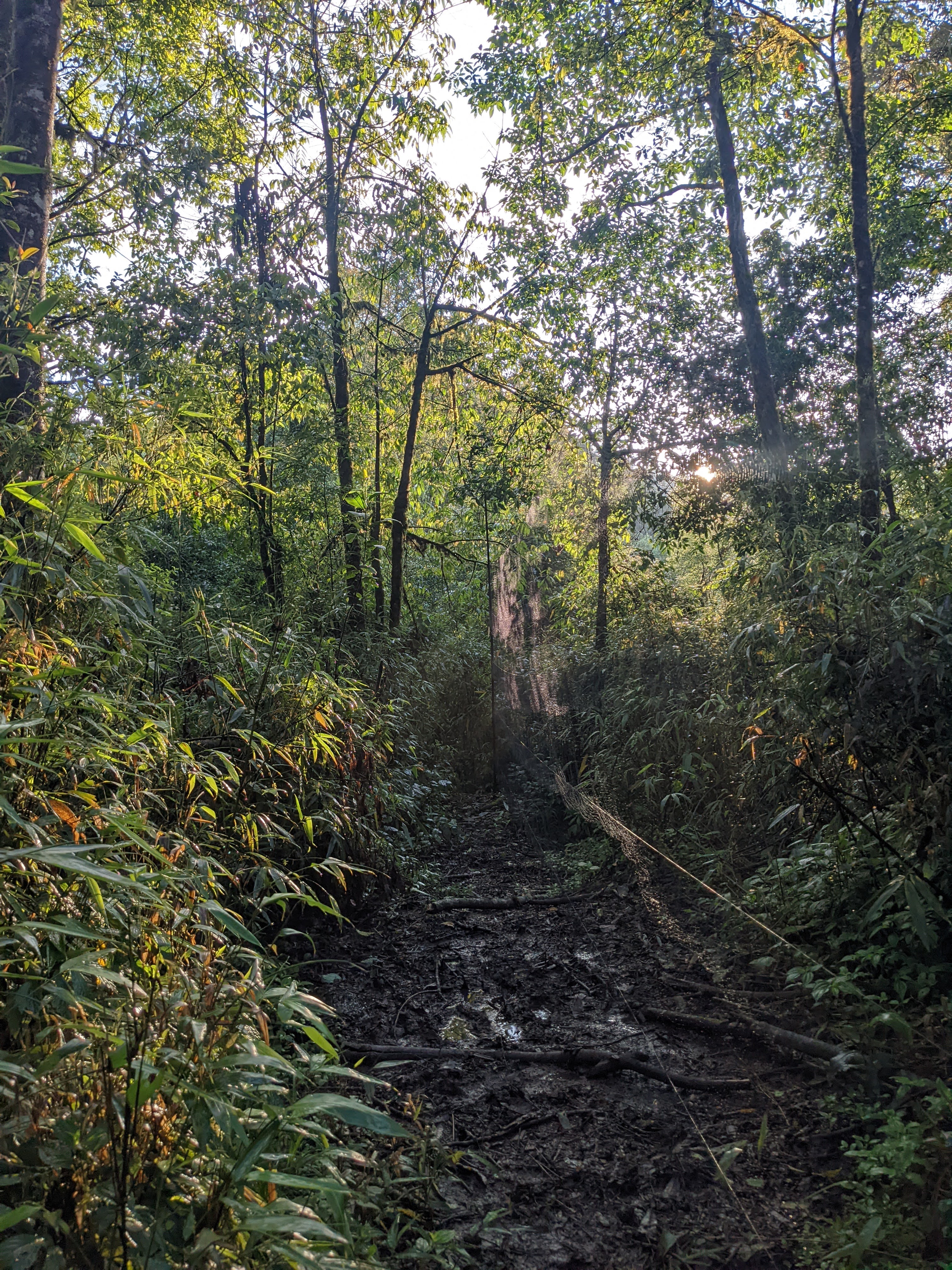
However, working in such rugged and remote terrain comes with its set of challenges; for example, we must constantly assess and avoid the risk of elephants during our mist-netting operations to ensure the safety of all.
Next steps and broader implications
Most conservation interventions are enacted when species have already undergone declines noticeable at the population-level, notwithstanding that interventions are likely more successful in initial stages of decline in body condition or demographic rates (which are noticeable much earlier). The development of robust, field-tested frameworks to quantify species-specific sensitivity to anthropogenic change is key. Additionally, understanding the physiological basis of species-specific responses, vis-a-vis energy budgets, can greatly inform what interventions are needed to ensure continued persistence of the population.
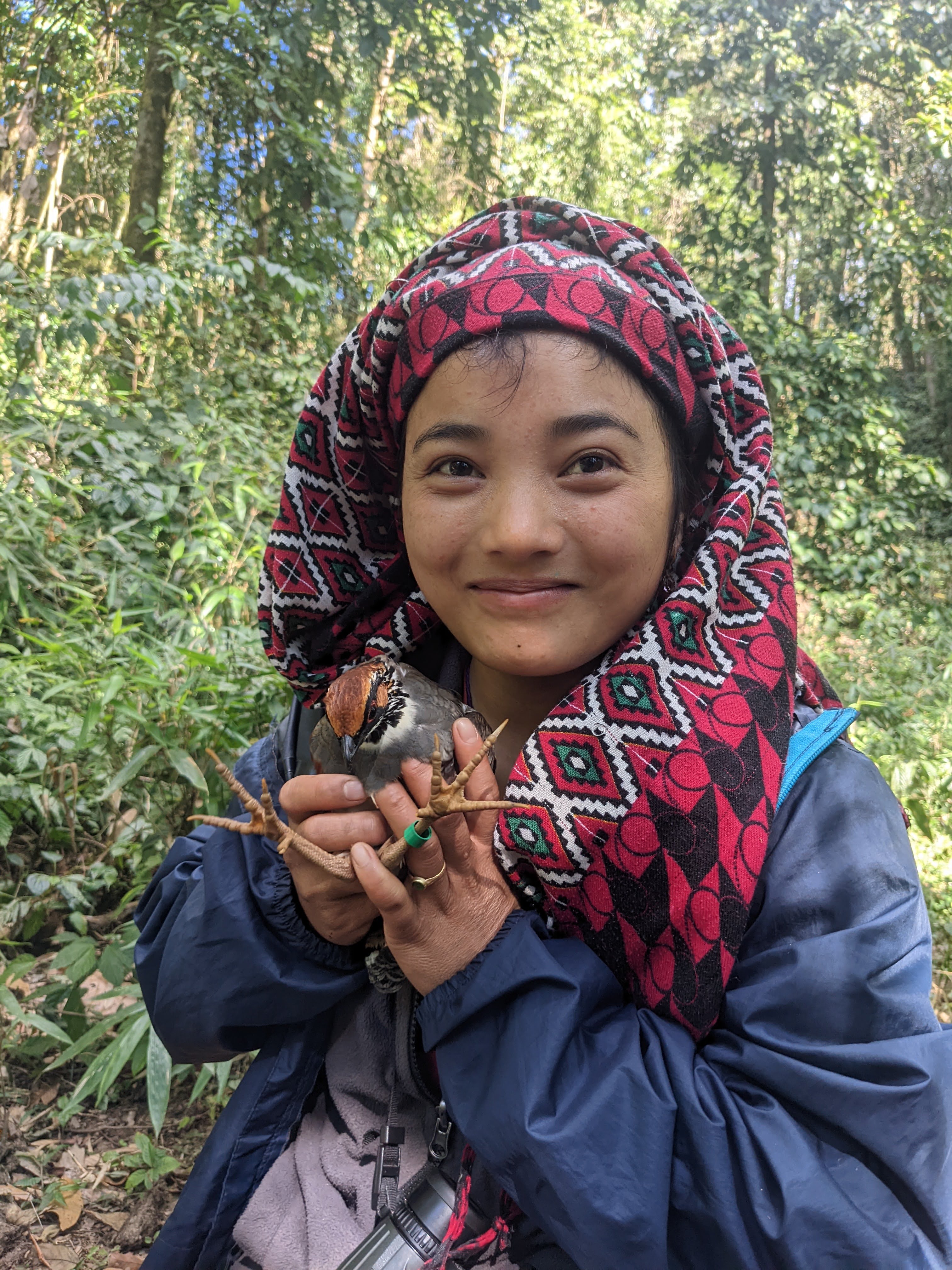
Our research provides novel insights into the survival and body mass trends in eastern Himalayan birds, and their sensitivity to anthropogenic change. This study, coupled with ongoing follow-up projects (detailed below), will facilitate appropriate conservation measures for high-risk species such as the provision of scarce microhabitats or resources at specific locations. Further, owing to the increased logistical and design complexities, long-term datasets from (sub)tropical forest systems are few and far in between. By demonstrating the utility of long-term mark-recapture data, we highlight the importance of consistent monitoring efforts in the eastern Himalaya biodiversity hotspot.
About the author
Current position
I am presently working as a doctoral student at the Conservation Biology Lab, University of Neuchatel, Switzerland. My PhD research aims to understand the recovery of species interactions as planted tree diversity is increased in tropical restoration sites. Specifically, I work on tree‐recruit, tree‐understorey and understorey‐bird interactions in Jambi, Sumatra, Indonesia. I further examine the context‐specificity in relationships between planted tree diversity and understorey community traits across 8 tropical TreeDivNet experiments in Brazil, Panama, Mexico, Ethiopia, Indonesia, Malaysia and China.
Getting involved in ecology
Growing up in Bangalore, India, we were never far from a diverse set of habitats – seasonal deciduous forests of Bandipur Tiger Reserve, wet evergreen forests of the southern Western Ghats or the arid grasslands of the Deccan plateau. I began exploring my surroundings with my grandfather when I was six, and soon picked up photography as a way to document what I found.
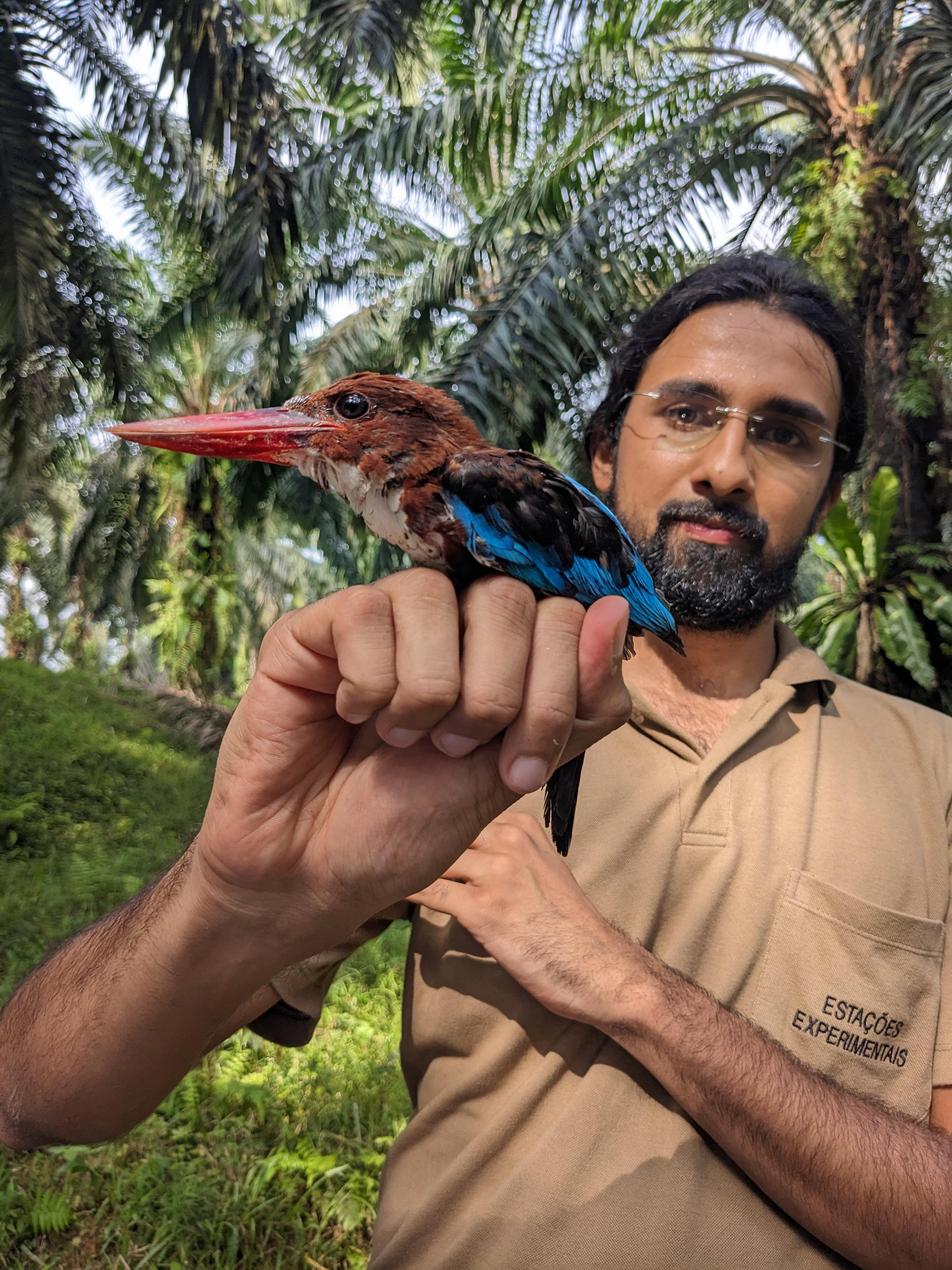
Pursuing this passion academically, I secured a spot at the Indian Institute of Science, Bangalore – India’s premier institute of the basic sciences. Here, I worked on various projects, ranging from citizen science for grassland monitoring to the phylogeography of flying lizards. Ultimately, I got opportunities to work two years working in the eastern Himalaya on bird survival and their social networks across the elevational gradient.
Current research focus
Our paper uses microclimate loggers set with our mist-nets to quantify the temperature-humidity niches of various species. This approach provides us valuable information about the microhabitats various species utilise in primary and logged forests. However, it does not allow mechanistic insights into the physiology of these species and how it is affected by anthropogenic change – information paramount to design effective intervention strategies. In 2025, we secured a Discovery Grant from the Wild Animal Initiative to examine the energetic constraints determining species’ response to anthropogenic change. In this project, we will be quantifying energy costs associated with basal metabolism and thermoregulation across our several species, using thermal cameras and respirometers.
Advice for fellow ecologists
Field research is a challenging endeavour. One attempts to conduct a scientifically-robust study with adequate statistical power, whilst operating under multiple layers of real-world complexity – such as interpersonal dynamics, political situations and seemingly-endless bureaucracy. “Life is sometimes a tragedy in close-up, and a comedy in long shot” is a useful perspective to have when pursuing this field.
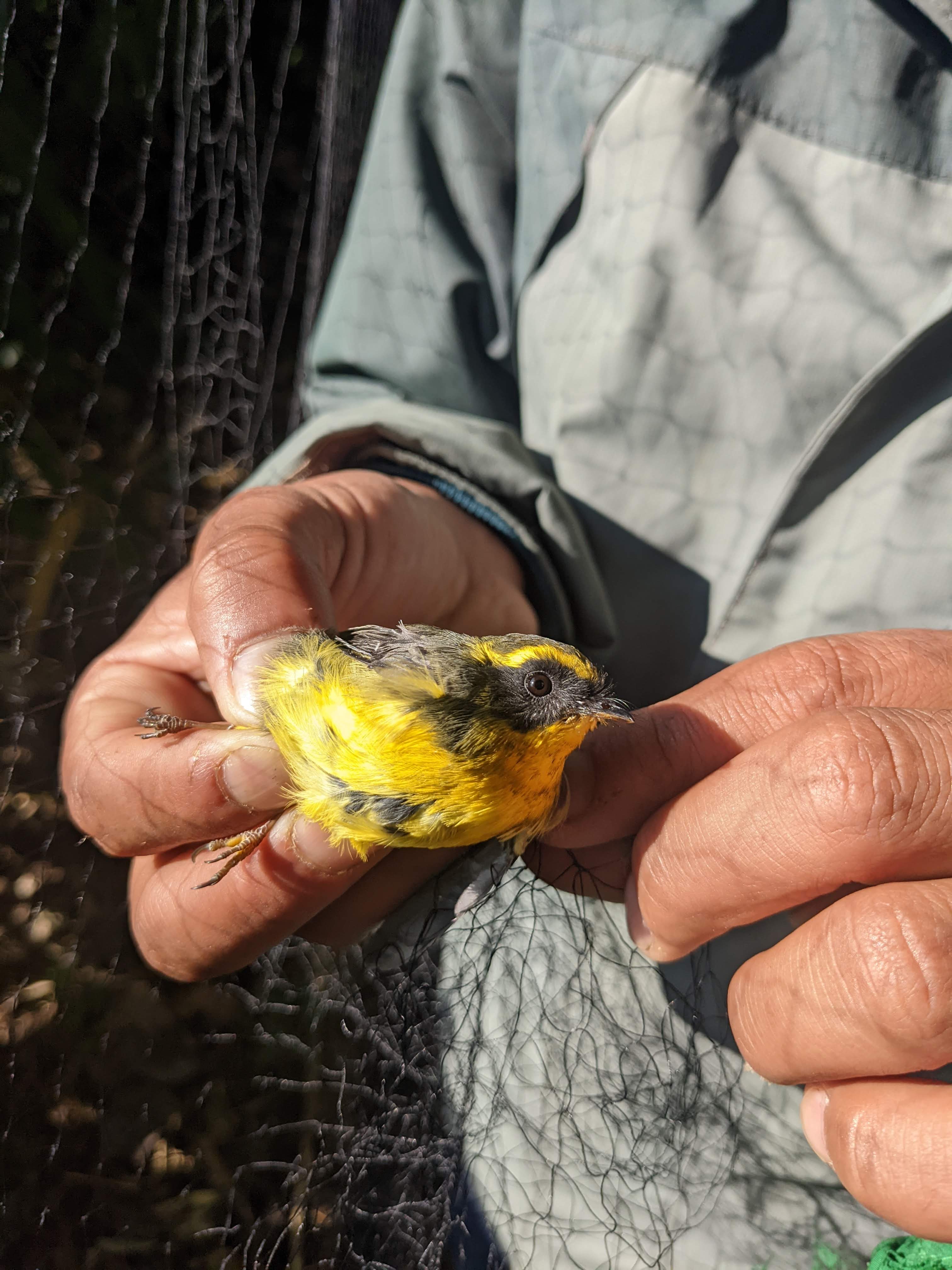
Nevertheless, it is extremely rewarding to constantly learn something new about the world around us. I try my best to maintain a constant connection with the natural world as I navigate the increasingly digital academic world of online papers, grants and reports. Citizen science projects (such as EBird) have allowed me to contribute and connect with other enthusiastic people and learn from them.
Read the full article ‘Microclimatic niche shifts predict long-term survival and body mass declines in a warmer and more degraded world‘ in Journal of Applied Ecology.
Find the other early career researchers and their articles that have been shortlisted for the 2025 Southwood Prize here!
 The Applied Ecologist