Case Study of Pentref Tyleri written by students of Environment and Sustainability at the University of Surrey
By Aiyushi, Oliver, Anaya, Konnie, and Jasmine
A Community Rebuilding After Coal
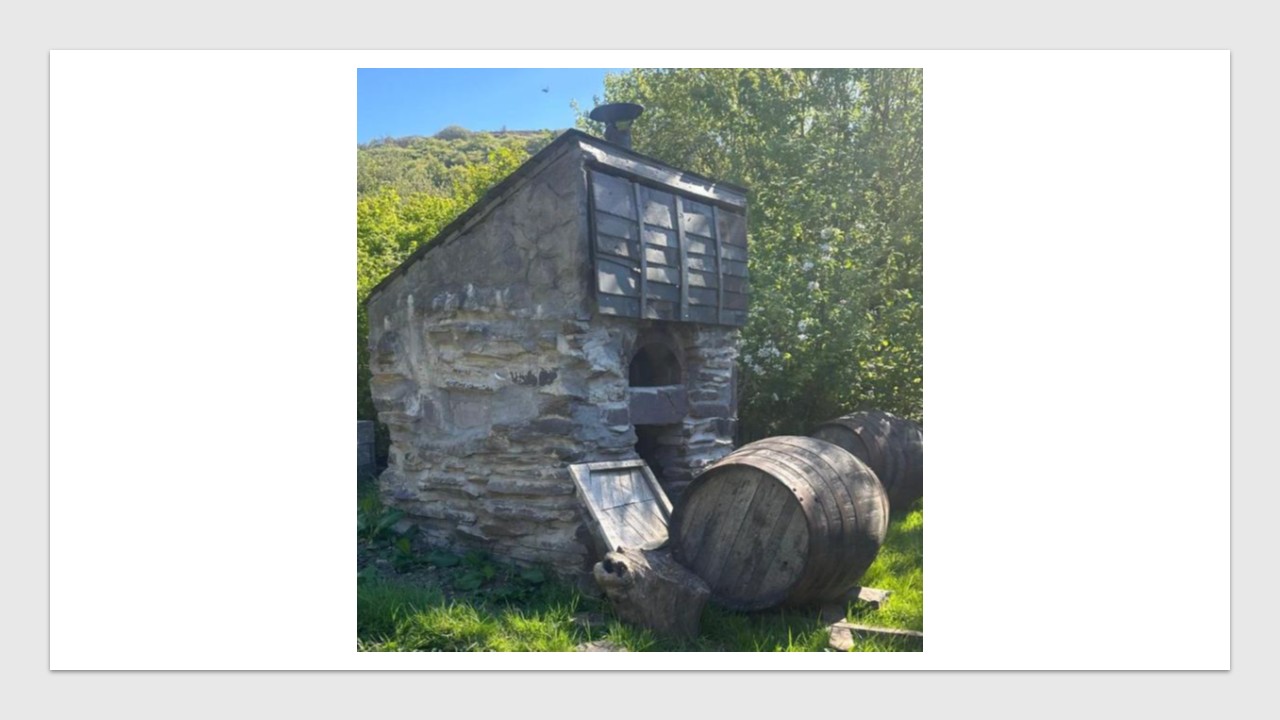
As part of the Environment and Sustainability course at the University of Surrey, we have had the opportunity to visit South Wales to explore community and environmental regeneration after the closure of local coal mines. During our trip we visited the village of Cwtillery, where we learned about the ongoing community-led regeneration project and the challenges it is facing, as well as conducting interviews with locals to gain a better understanding of attitudes towards the project, and regeneration efforts overall. The Pentref Tyleri project follows a ‘bottom-up’ approach where the local residents determine how it is managed, and how they interact with the local and national government to gain funding and support. We saw key areas in the community including a pizza oven, wetlands and small areas to grow their own food, all of which help bring the community together and provide opportunity for regeneration. This case study of the Pentref Tyleri project will look at these key areas more closely, as well as the results of the semi-structured interviews conducted in the field, and also examine the challenges facing post-coal mining communities.
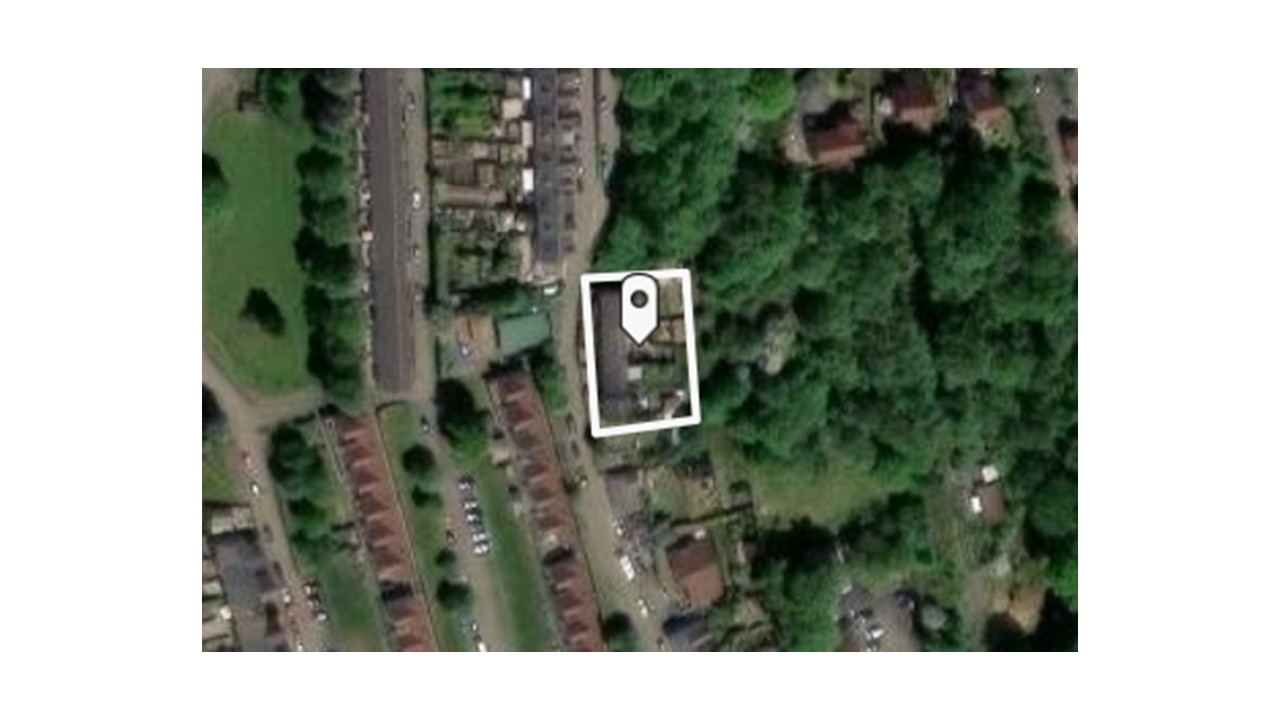
For our case study, we chose to explore the Pentref Tyleri community-led regeneration project, which is located in a village called Cwmtillery. This was the case study most relevant for the theme of community mining regeneration, as Cwmtillery was built on a former coal mining brownfield site that has experienced rapid post-industrial decline due to the closure of the coal mines. However, the regeneration project has led to many new benefits, such as the provision of free food and community spaces.
Regeneration from the Ground Up
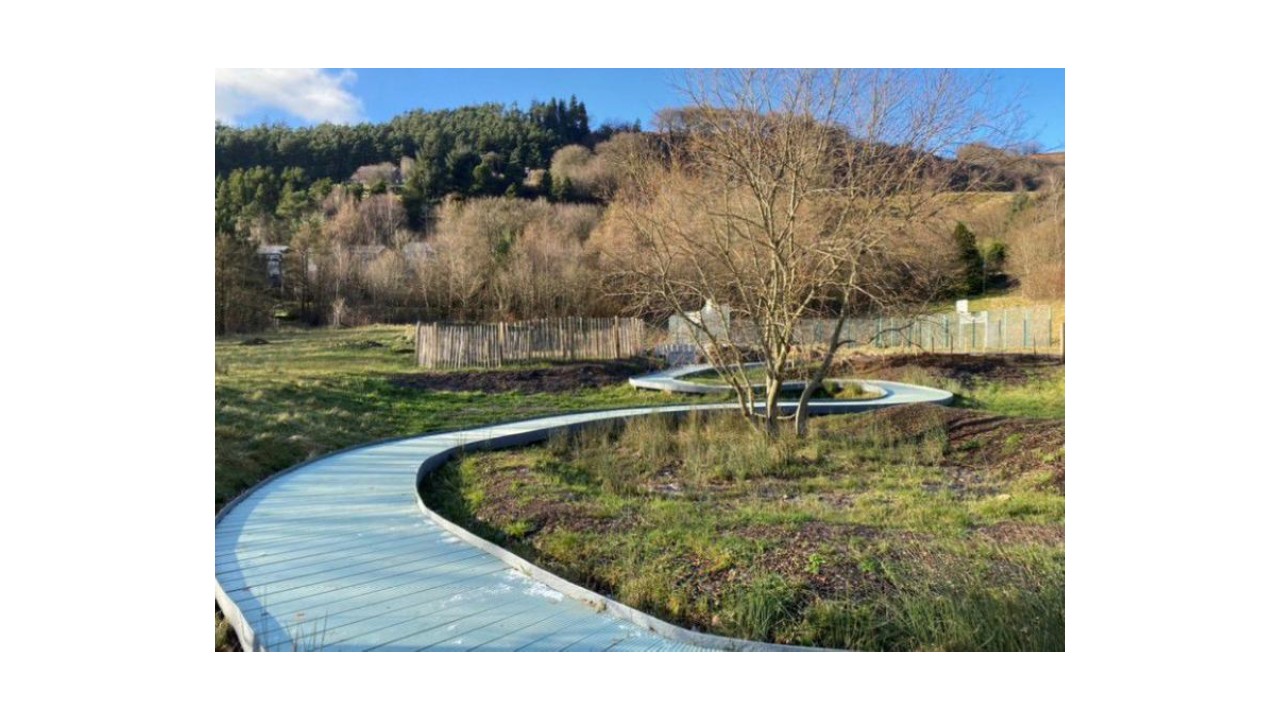
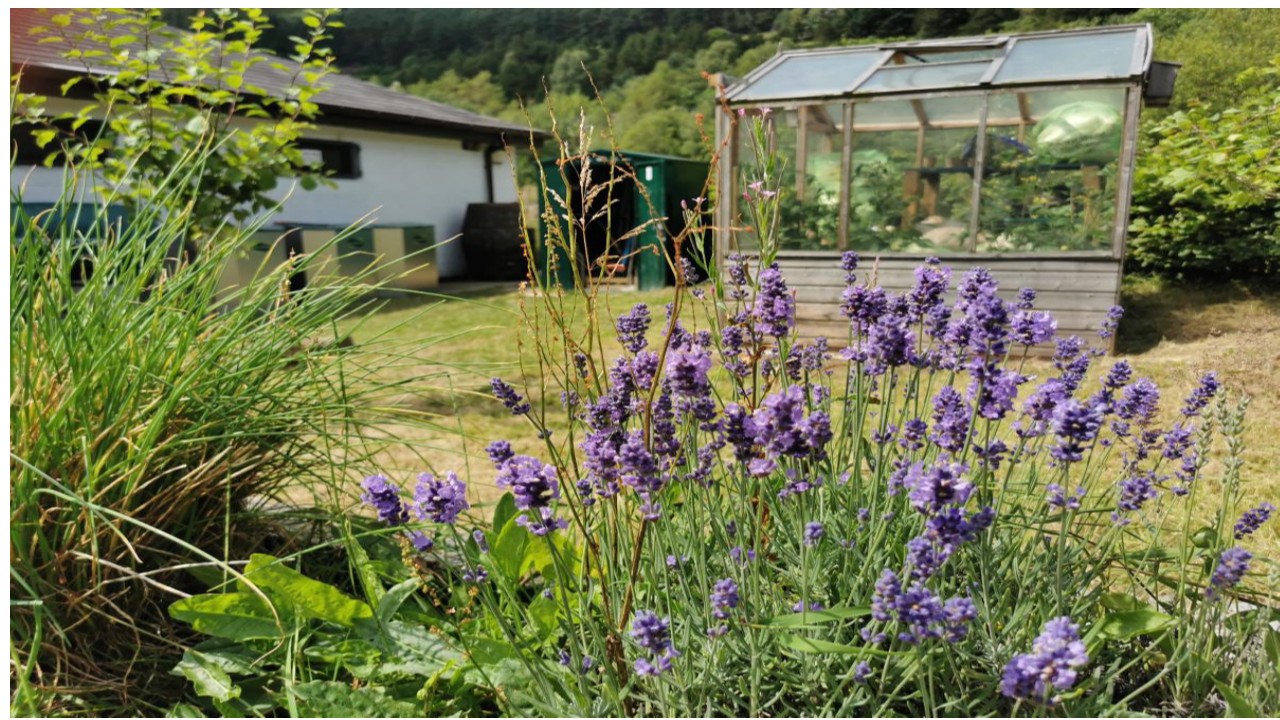
Our field observations demonstrated that previously degraded land had been transformed into functional green spaces through wetland restoration and the development of community growing areas, showcasing environmental and social regeneration through Pentref Tyleri. These improvements appeared to enhance biodiversity, while also improving the visual quality of the landscape.
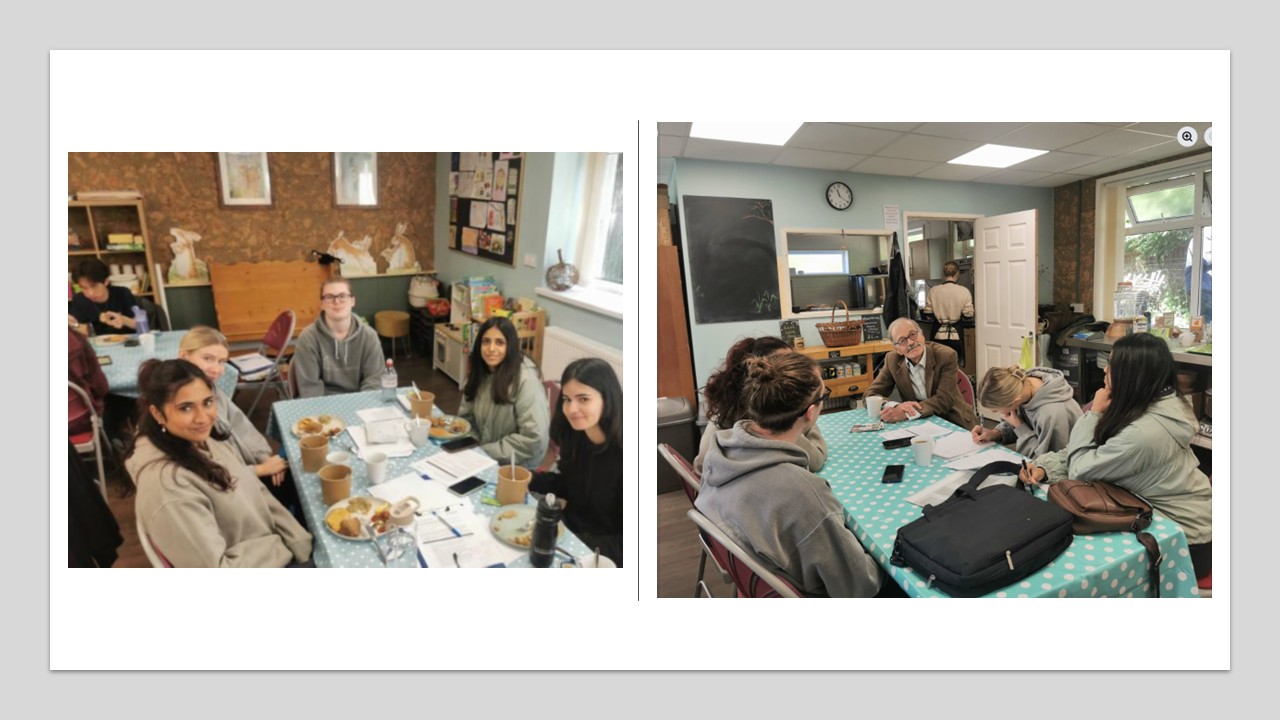
Secondly, our observations of the cafe also suggested that there has been an increase in community engagement due to the regeneration project in the area.
The People Behind the Project
There are many different stakeholders involved in the implementation of regeneration in Pentref Tyleri. Firstly, the directors of Pentref Tyleri are the driving force of regeneration and help lead the way whilst providing a safe and comfortable environment for those who need it. Local residents’ and volunteers’ involvement has had a huge positive impact in keeping the project within the community, making them significant stakeholders. The older residents are another major stakeholder, as their experience and knowledge in traditional lifestyles like reducing waste and sustainable food production have helped keep the project maintaining a strong sense of local identity. Some other important key stakeholders are Natural Resources Wales and the local council, as both organizations have funded projects in the past, which have helped boost community participation as well as regeneration. Finally, the younger generation can be considered to be stakeholders, as the cafe has led to the creation of paid jobs and training programs. This reinforces the idea that Pentref Tyleri relies on the contribution of many different stakeholders rather than the action of a single organisation alone.
Food, Memory and Community
One of our main findings was the significant impact that food had in the regeneration process, as in the interview, Bryan explained that the pizza oven was not inherently used as a primary cooking space, but instead it was used in order to reinforce older village traditions while strengthening community ties. Similarly, Ralph shared a similar view as he said that many of the older residents used to grow their own vegetables and reuse food waste. This clearly shows that sustainable food practices were already a huge part of the local mining culture.
Community Voices
The interviews also revealed general positive attitudes towards the project and its impact on the local community. Our interviewees highlighted the importance of the local residents’ role in decision making and management. It was discussed how community activities helped bring people together and create opportunities for younger residents through volunteering. Participants also expressed pride in environmental improvements made to the area, particularly in the creation of wetlands and green spaces. However, concerns were raised regarding the long term potential of the project, particularly surrounding future funding and the need for greater promotion to attract more visitors and outside support.
The regeneration project therefore provides clear evidence of how community-led initiatives can successfully repurpose post-industrial land to support local biodiversity, strengthen social cohesion and encourage local economies to develop.
Restoring Nature and Supporting Local Life
Through visiting and researching the Pentref Tyleri community-led project in South Wales, it is evident through community-led strategies; struggling communities can promote environmental restoration and focus on regenerating an area which previously experienced environmental, social and economic decline following the closure of coal mines in South Wales. The restoration project follows a ‘bottom-up approach’ therefore aiming that residents in the local area not only promote but are also involved in managing and working on the project. As mentioned earlier, the project funded by Natural Resources Wales (NRW) has aided the process of restoring the community through planting over 2,000 native trees developing biodiversity and habitats for wildlife, improving the overall appearance of the area whilst also increasing resilience in case of natural disasters. These environmental improvements are more small-scale and link to eco-tourism compared to commercial tourism through engaging members of the local community to participate in the regeneration process. The Pentref Tyleri café creates jobs particularly to young members of the community providing them with job experience and training early whilst also assisting in running the café. The café also promotes local participation encouraging all members of the community to get involved, through community walks and workshops aimed at all ages supporting long-term community collaboration.
Overall, this project is a prime example of how through community collaboration, neglected, deindustrialised areas such as Cwmtillery can be transformed into thriving social spaces, which supports a localised green economy and creates future oriented environmental designs.