How climate change affects carbon storage in Mediterranean pine forests

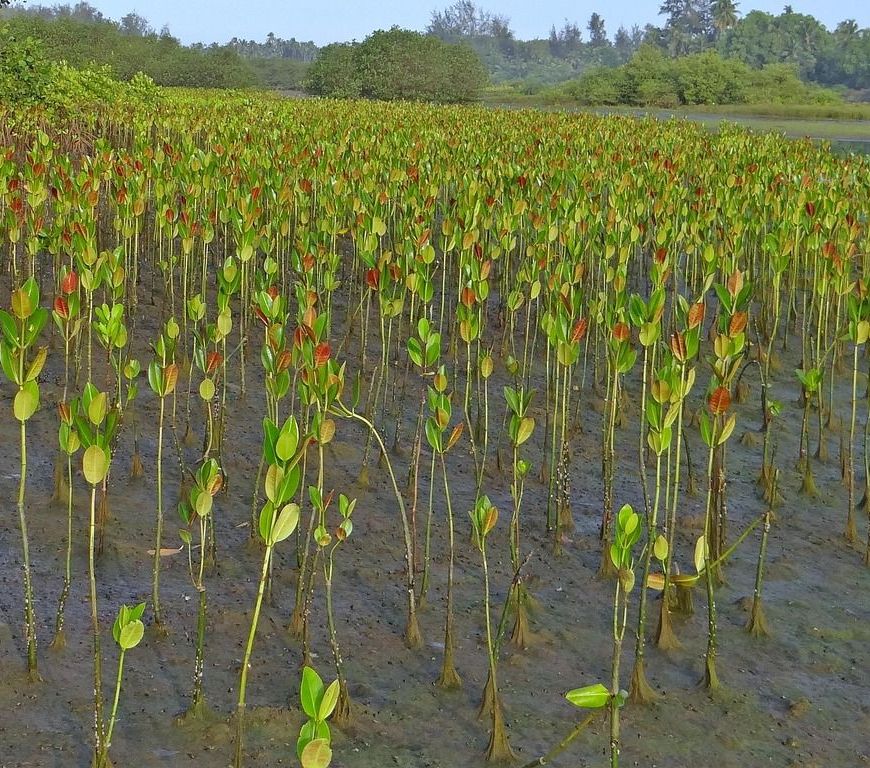
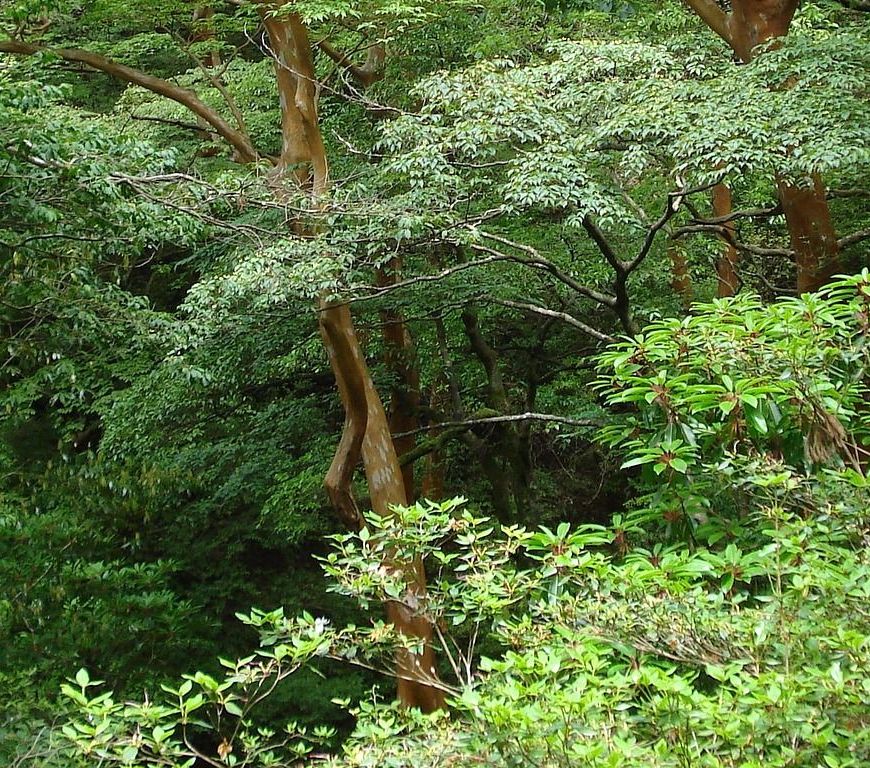
Reforestation is widely promoted as a way to mitigate climate change by capturing carbon from the atmosphere. However, its real success depends on how trees invest (allocate) the carbon they capture, that is, how much they invest to grow leaves, stems or roots, particularly under warmer and drier conditions. In this study, we analysed how climate affects carbon allocation in large-scale pine reforestations across the … Continue reading How climate change affects carbon storage in Mediterranean pine forests

Community science complements assessment of extinction risk

Understanding the probability of extinction is critical for effective management and conservation. While such assessment mainly depends on rigorous and standardized monitoring (the best of the best data), recent research from Acevedo-Charry et al (2025) features a complementary way that data gathered from volunteers can help estimate probability of extinction. A version of this post is also available in Spanish here. How do we assess … Continue reading Community science complements assessment of extinction risk

La ciencia comunitaria complementa la evaluación del riesgo de extinción

Comprender la probabilidad de extinción es fundamental para una gestión y conservación eficaces. Si bien dicha evaluación depende principalmente de un monitoreo riguroso y estandarizado (con los mejores datos disponibles), una investigación reciente de Acevedo-Charry et al (2025) presenta una forma complementaria en la que los datos recopilados por voluntarios pueden ayudar a estimar la probabilidad de extinción. Esta entrada de blog también está disponible … Continue reading La ciencia comunitaria complementa la evaluación del riesgo de extinción

Small fields, big benefits: But only with semi-natural habitats nearby

Pollinators, like bumblebees, are essential for agriculture, yet they’re declining due to landscape simplification and habitat loss. In this blog post, Riho Marja and colleagues tell us more about their study. Riho Marja and his team explored the effect of field size on Bumble bee populations in Austria and Hungary. They explored this by setting up 56 commercial bumblebee colonies in Eastern Austria and Western … Continue reading Small fields, big benefits: But only with semi-natural habitats nearby

Beaver wetlands create a buzz and a flutter for pollinators

Patrick Cook discusses the impacts of beaver wetlands on pollinator communities, summarising recently-published research. Can beaver wetlands create a buzz and a flutter for pollinators? That’s a question that has occupied my mind since 2022. It began one evening sat at the edge of a beaver wetland looking at Greater Spearwort and wondering what pollinators visit the yellow flowers of this gigantic buttercup! Subsequently the … Continue reading Beaver wetlands create a buzz and a flutter for pollinators

Spooky ecology!

To help usher in Halloween, let’s take a look at some recent articles from Journal of Applied Ecology that explore different spooky animals and their environments! Bats are probably the first creature to come to mind when Halloween is mentioned, but are they top of the list when someone mentions insectivores? A recent paper by Hochrien et al 2025, explores the impact that pesticides have … Continue reading Spooky ecology!

Field Diaries: Using remote sensing to help restore landscapes

In our ‘Field Diaries’ series, The Applied Ecologist is sharing stories from a range of different fieldwork experiences. In this post Guilherme Castro shares his research on using remote sensing to better understand how to restore landscapes. About the Author Guilherme Castro, he/him Affiliation: Royal Holloway University of London & Royal Botanic Gardens Kew Ecology interests: Landscapes, restoration, remote sensing Overview of fieldwork I am a PhD student … Continue reading Field Diaries: Using remote sensing to help restore landscapes

Winners announced for ECR Reviewer Prize: Journal of Applied Ecology

Following the successful launch of our Early Career Researcher Reviewer Prize last year, we are thrilled to introduce you to this year’s winners! Read on to find out about their research interests and plans for using the prize money. We’ve also caught up with last year’s winners, too! In a nutshell The prize was created to provide ECRs with more opportunities for review experience, with … Continue reading Winners announced for ECR Reviewer Prize: Journal of Applied Ecology

Associate Editor Mentoring: 2026 applications now open!

Are you less than five years post-PhD, live in or are from the Global South, and looking to gain hands-on experience with an editorial board? Why not apply for the 2026 mentoring scheme with Journal of Applied Ecology! What does it involve? Since 2015, Journal of Applied Ecology has welcomed a small group of mentees with minimum editorial experience each year. This voluntary two-year position aims to develop … Continue reading Associate Editor Mentoring: 2026 applications now open!

The launch of Plain Language Summaries: Journal of Applied Ecology

Following author feedback collected as part of our recent Editorial on how we can make research published in Journal of Applied Ecology more accessible, we are delighted to announce the launch of Plain Language Summaries. What are they? Plain Language Summaries, also referred to as lay summaries, are simple short-form overviews of published academic articles. Their main aim is to ensure that research is made … Continue reading The launch of Plain Language Summaries: Journal of Applied Ecology