On the horizon: Options for cultivating rice as climate changes and salinity increases

For the latest post in our series looking at developing issues in the world of conservation, Erica Fleishman explores food security and the production of rice in a changing climate. Rising sea levels, drought, and agricultural irrigation have increased the salinity of soils in both coastal and inland areas. Mineral deficiencies and toxicity may accompany local increases in salinity. As a result, scientists aim to … Continue reading On the horizon: Options for cultivating rice as climate changes and salinity increases

Good fences make good neighbours

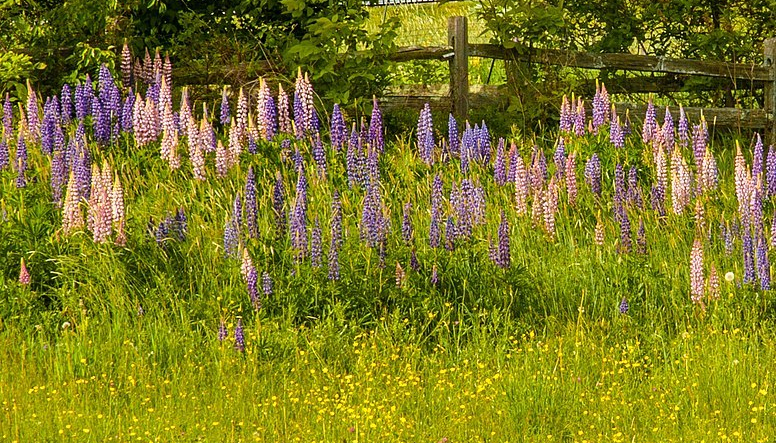
For the latest post in our joint series with Relational Thinking, Stephen Carver compares passive and active approaches to rewilding and discusses his contribution to the new book in the Ecological Reviews series. The opening paragraphs of my chapter on land abandonment neatly mirror some of the online discussions I’ve been having about rewilding recently, the latest of which concerns the origins of rewilding in … Continue reading Good fences make good neighbours

Long-term European LIFE project key for the recovery of an endangered Egyptian vulture population

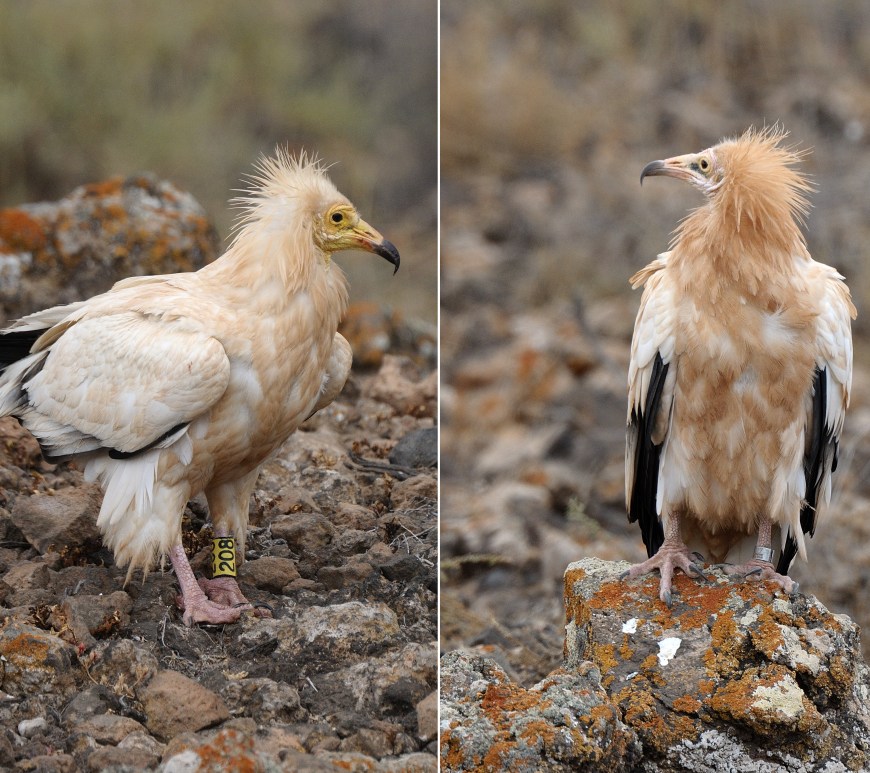
In new research, Jaume Adrià Badia‐Boher and colleagues highlight the need for long-term monitoring of conservation programmes. Here, co-author, Ana Sanz‐Aguilar demonstrates one success story of this nature, in conservation of the Canary Egyptian Vulture. The population of one of the most endangered raptors in Europe, the Canary Egyptian Vulture (Neophron percnopterus majorensis), is recovering. This is one of the main conclusions reached by an international … Continue reading Long-term European LIFE project key for the recovery of an endangered Egyptian vulture population

Cover stories: Gouldian opportunity

This month’s cover species, The Gouldian Finch (Erythrura gouldiae) is a threatened Australian granivorous bird and one of 637 Kimberley wildlife species allocated cost‐effective management priorities using the Priority Threat Management process. Here the photographer, Bruce Doran shares more images from his surprise encounter with this hard-to-spot bird. The photograph of the Gouldian Finches was the result of an incidental observation in the Victoria River … Continue reading Cover stories: Gouldian opportunity

Grazers and fire management: conservation from a ‘systems’ perspective

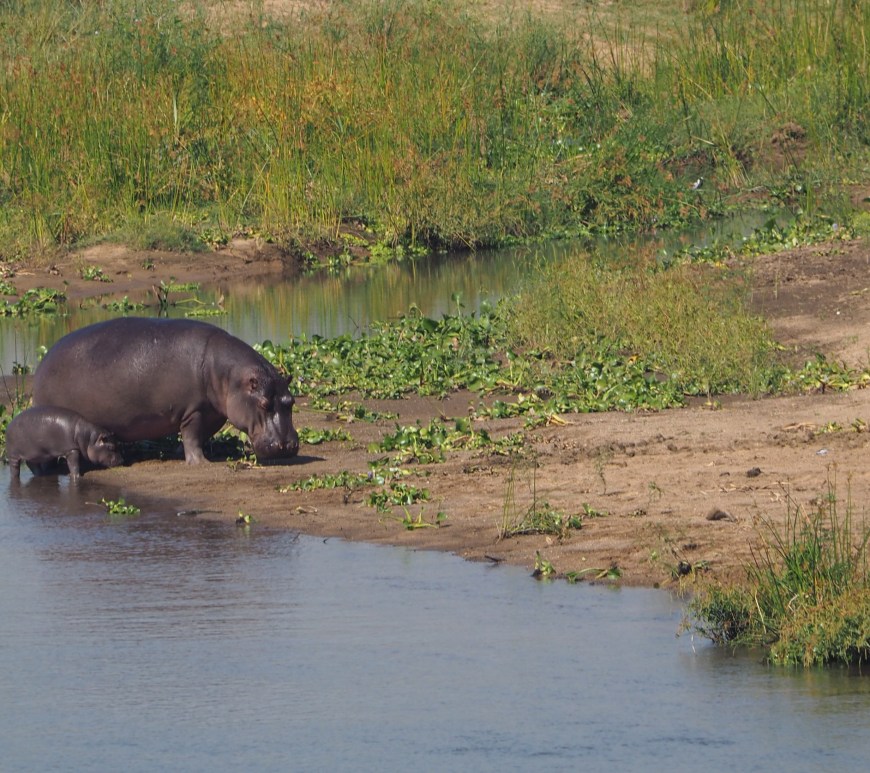
How do grazing herbivores like hippos affect the influence of fire? Following a recently published article, Izak Smit demonstrates the need for interdependence between herbivore and fire management. Grazing animals and fire are in direct competition – both of them consume grass. Previous continental-scale studies suggest that grazing animals have the competitive advantage in drier and more nutritious landscapes, whilst fires dominate in wetter and … Continue reading Grazers and fire management: conservation from a ‘systems’ perspective

Trophic rewilding: restoring top-down food web processes to promote self-managing ecosystems

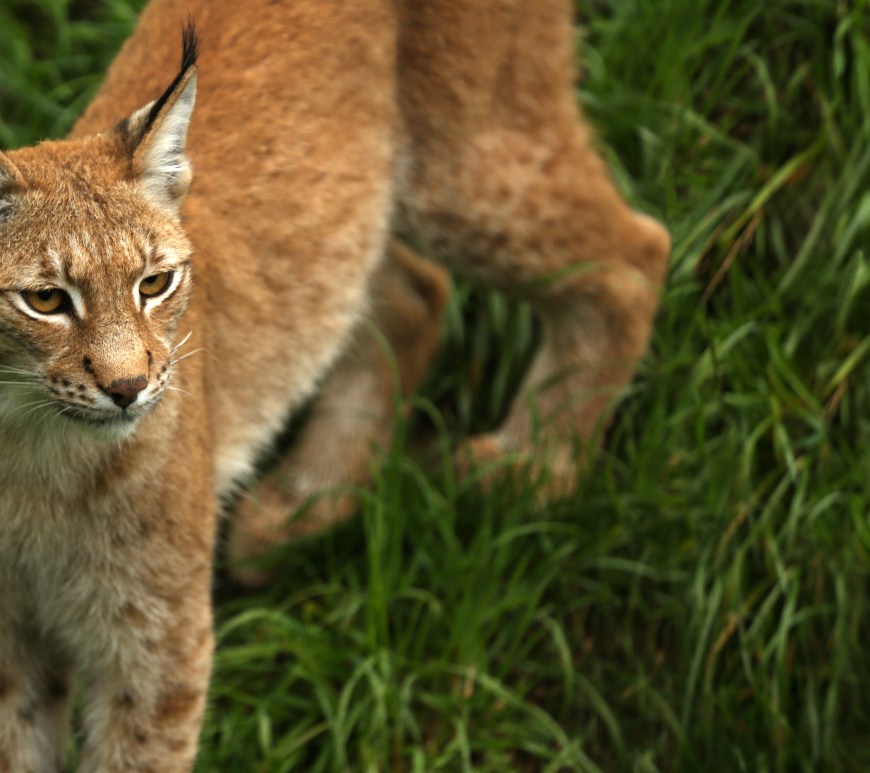
Continuing our series on rewilding, Jens-Christian Svenning from the Center for Biodiversity Dynamics in a Changing World, Aarhus University, focuses in on trophic rewilding. Here he considers the foundations and open-ended nature of this approach, and explains why there is still plenty of room for more research in this area. There is rapidly increasing interest in rewilding as an alternative to more human-controlled approaches to … Continue reading Trophic rewilding: restoring top-down food web processes to promote self-managing ecosystems

BES journal blog roundup: January 2019

It’s already been a busy 2019 for the six British Ecological Society journal blogs. We’ve covered topics from leaving the nest, to sustainable food production, to stress in academia, to climate change. On Relational Thinking we learned that cats can’t trespass. And Animal Ecology in Focus taught us that some crabs steal food from plants. Head over to the Methods Blog to look back at … Continue reading BES journal blog roundup: January 2019

On the horizon: Deforestation expansion of plantations and infrastructure threaten Indo-Malay island species

The latest post in our ‘On the horizon’ series sees Nafeesa Esmail and Alice Hughes highlight the potential effects of a developing palm oil industry on Southeast Asisa’s forests.  Southeast Asia’s forests are some of the most diverse on Earth, representing a number of global biodiversity hotspots. Yet this region is also undergoing an unparalleled rate of deforestation. Given the small ranges of many species … Continue reading On the horizon: Deforestation expansion of plantations and infrastructure threaten Indo-Malay island species

Getting everyone on board with rewilding

To celebrate the release of the latest Ecological Reviews, Rewilding, we’ve invited some of the book’s authors and editors to share their insights into this hotly debated topic from both applied and interdisciplinary perspectives. The posts will be shared here on The Applied Ecologist’s Blog and over at Relational Thinking. Kicking off the series, Nathalie Pettorelli (Zoological Society of London) explores the challenging concept of reaching … Continue reading Getting everyone on board with rewilding

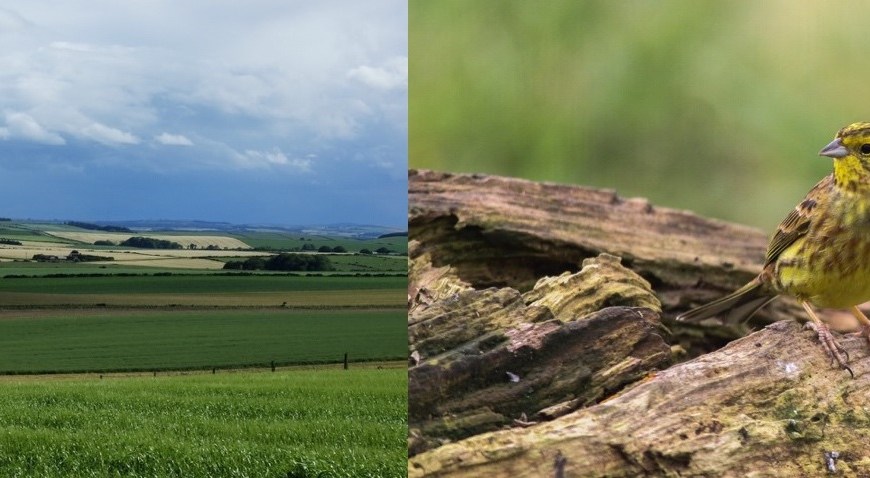
Complex landscapes and complex decisions for farmland conservation

In this post, discover how farmland birds and agri-environmental schemes went from dissertation topic, to British Ecological Society Annual Meeting talk, to published paper for one early career researcher. Gergana Daskalova (University of Edinburgh) describes the evolution of Population responses of farmland bird species to agri‐environment schemes and land management options in Northeastern Scotland. Farmland birds: decades of decline and mixed benefits of agri-environmental schemes … Continue reading Complex landscapes and complex decisions for farmland conservation