Issue 54:6

Issue 54:6 of Journal of Applied Ecology is now online and available to read. The issue features topics include forest management, agricultural landscapes, invasive species and more. Here we take a look at some of the author and Editor comments on articles in this issue: Managing urban green spaces to accommodate growth without sacrificing ecosystem services The Editor’s choice article for this issue How does … Continue reading Issue 54:6

Editor’s Choice 54:6 – Managing urban green spaces to accommodate growth without sacrificing ecosystem services

The final Editor’s Choice of 2017 is written by Associate Editor, Joseph Bennett. The article chosen is Urban development, land sharing and land sparing: the importance of considering restoration by Collas et al. The land sparing versus land sharing debate is one of the best known and most controversial topics in conservation biology. Advocates for land sparing argue that ecological and human needs are best balanced … Continue reading Editor’s Choice 54:6 – Managing urban green spaces to accommodate growth without sacrificing ecosystem services

Tiny translocations study has BIG message

Last week, Associate Editor, Pieter De Frenne commented on the article Tiny niches and translocations: the challenge of identifying suitable recipient sites for small and immobile species. By Brooker et al. Now the authors share their thoughts on the well-debated topic of translocation. Climate change and its effects on some species has sparked a debate among scientists about whether moving species to more suitable places … Continue reading Tiny translocations study has BIG message

A prioritised list of invasive alien species of EU concern

Focusing on invasive species management, Carles Carboneras comments on the recent Policy Direction, A prioritised list of invasive alien species to assist the effective implementation of EU legislation, published in Journal of Applied Ecology and recently featured by BBC News. Alien organisms can cause significant disruption when introduced into a new environment and, for that reason, effective policies on invasive species aim at preventing their … Continue reading A prioritised list of invasive alien species of EU concern

Diversity robustly suppresses weeds in intensive grassland systems – with multiple translations

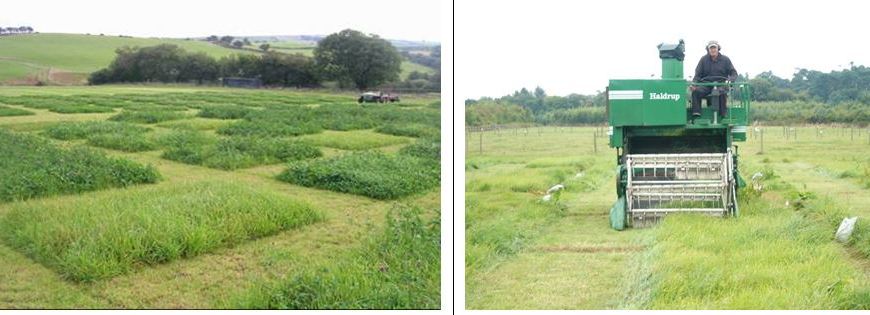
John Connolly and team comment on their recent article, Weed suppression greatly increased by plant diversity in intensively managed grasslands: a continental-scale experiment. As well as this English summary, the team have provided a number of translations. Read the text in German, Dutch, Spanish, French, Icelandic, Italian, Lithuanian, Norwegian, Catalan or Polish here . How can we get more from less use of natural resources in … Continue reading Diversity robustly suppresses weeds in intensive grassland systems – with multiple translations

Microclimate determines transplantation success

Associate Editor, Pieter De Frenne (Ghent University, Belgium) discusses assisted migration, climate change and the recent article by Brooker et al. Tiny niches and translocations: the challenge of identifying suitable recipient sites for small and immobile species. One of the key outstanding issues in applied ecology is to better inform land managers and policy makers how to adapt to climate change. Many species are currently shifting their … Continue reading Microclimate determines transplantation success

Jaguar habitat use outside protected areas in Central America: accounting for the detection process generates new insights

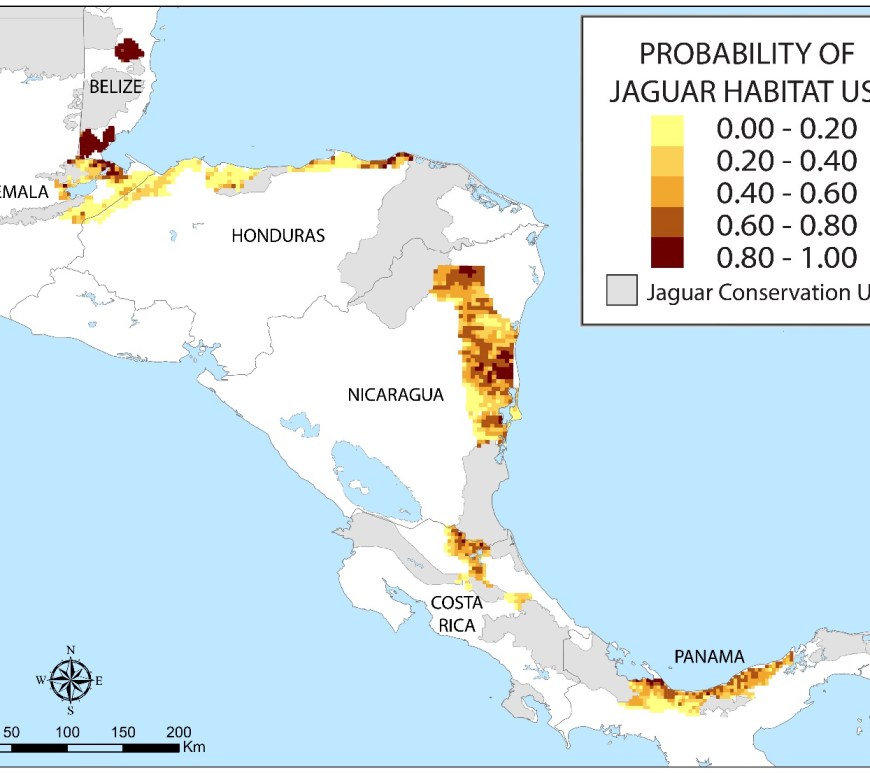
We’re turning our attention to wide-ranging animals, specifically jaguars of Central America. Lisanne Petracca discusses her recent article, Robust inference on large-scale species habitat use with interview data: The status of jaguars outside protected areas in Central America. The team also share video summaries of their work in English and Spanish.  For wide-ranging animals such as our focal species, the jaguar (Panthera onca), it is … Continue reading Jaguar habitat use outside protected areas in Central America: accounting for the detection process generates new insights

The human influences shaping peatland vegetation communities

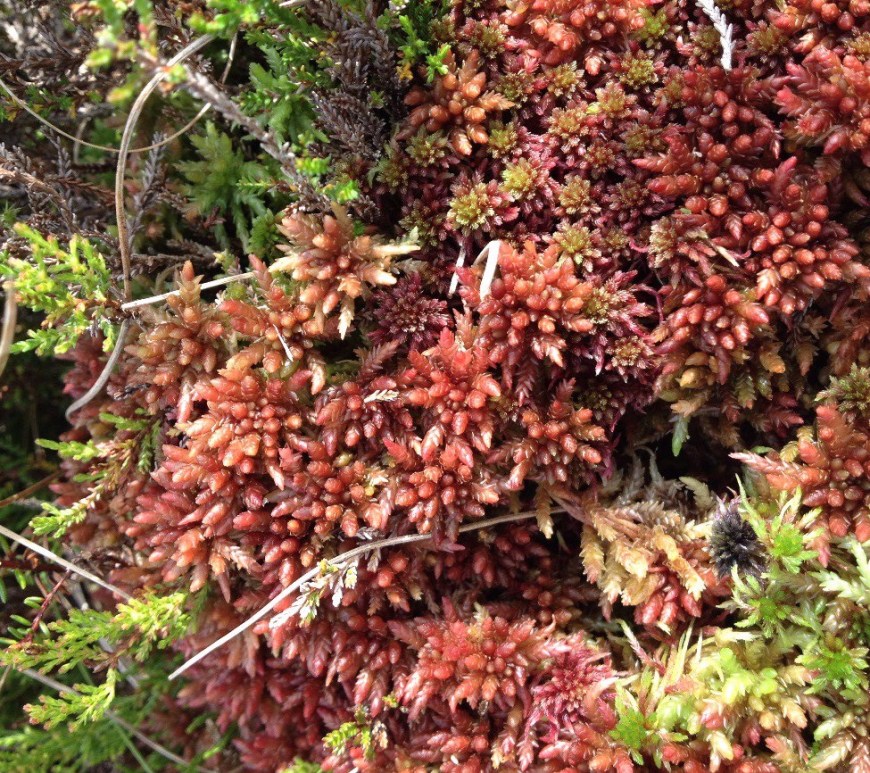
This blog by Alice Noble discusses peatland protection policy and follows her recent article in Journal of Applied Ecology, Prescribed burning, atmospheric pollution and grazing effects on peatland vegetation composition. As sloping expanses of shrubs, sedges and moss where the only sounds are wind, rain and birds, with no people in sight, blanket peatlands can feel like wild and remote places. In the UK, these upland … Continue reading The human influences shaping peatland vegetation communities

The only way is up: reptiles in trees resist the impacts of cattle grazing

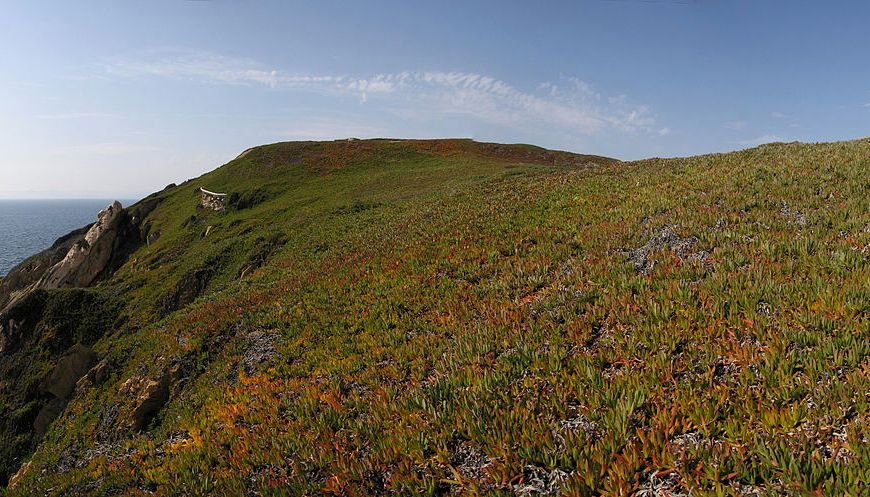
With Reptile Awareness Day coming up, Heather Neilly comments on the effects of cattle grazing and her recent article, Arboreality increases reptile community resistance to disturbance from livestock grazing. Grazing by domestic livestock occurs on 25% of Earth’s land surface. With such vast landscapes being used, it is important to understand how this land use affects the native wildlife in these areas. We know that … Continue reading The only way is up: reptiles in trees resist the impacts of cattle grazing

Strawberry fields forever – with Spanish translation

In this post, Associate Editor, Cristina Garcia comments on the effects of pesticides on pollinators and the recent article by Horth & Campbell, Supplementing small farms with native mason bees increases strawberry size and growth rate. Cristina has also provided a Spanish translation of this post. Most plant species, including crops, require mutualistic interactions with animals to pollinate their flowers and fulfill their demographic cycle. The … Continue reading Strawberry fields forever – with Spanish translation