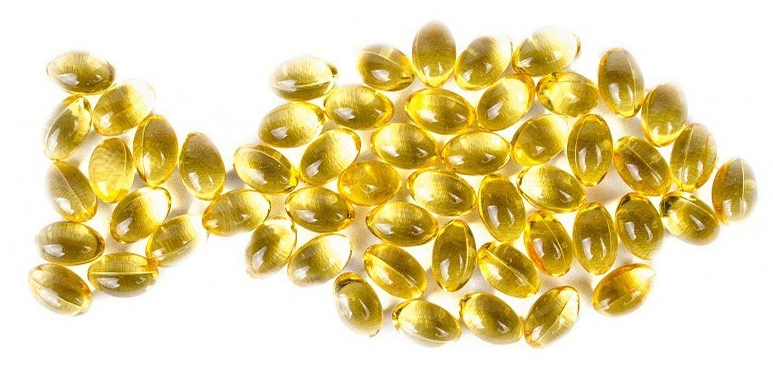
On the horizon: omega-3 fatty acids in oil crops – saving fish or threatening insects?

An emerging genetic technology that makes oilseed crops produce omega-3 fatty acids promises health and sustainability benefits, but there’s a potential adverse impact on insects that hardly anyone is talking about. Lynn Dicks and Xavier Le Roux round off our ‘On the horizon’ series. Polyunsaturated, long chain omega-3 fatty acids are the reason why healthy diet recommendations usually include seafood and oily fish like salmon, … Continue reading On the horizon: omega-3 fatty acids in oil crops – saving fish or threatening insects?

Sustainable intensification: our quest for the ‘holy grail’

Is it possible to meet food demands and increase production without the damaging costs to the environment? Patrick White et al. tackle this challenge in their recently published research in the journal. As the world population grows, our finite land is put under increasing pressure to meet food demands. Historically we have increased agricultural yields by increasing the intensity of agricultural practices – for example … Continue reading Sustainable intensification: our quest for the ‘holy grail’

On the horizon: Food for the future – regulating gene-edited plants

Could gene-edited plants provide better food security? And what are the risks and potential consequences presented by this process? Helen Doran (Senior Specialist, Futures, Natural England) explores these questions in the latest instalment to our ‘On the horizon’ series. ‘Imagine that a cheap, easy-to-use, and rapidly deployable technology could make crops more fertile and strengthen their resistance to threats such as climate change and disease’ … Continue reading On the horizon: Food for the future – regulating gene-edited plants

Editor’s Choice 56:4 – A worm in the apple

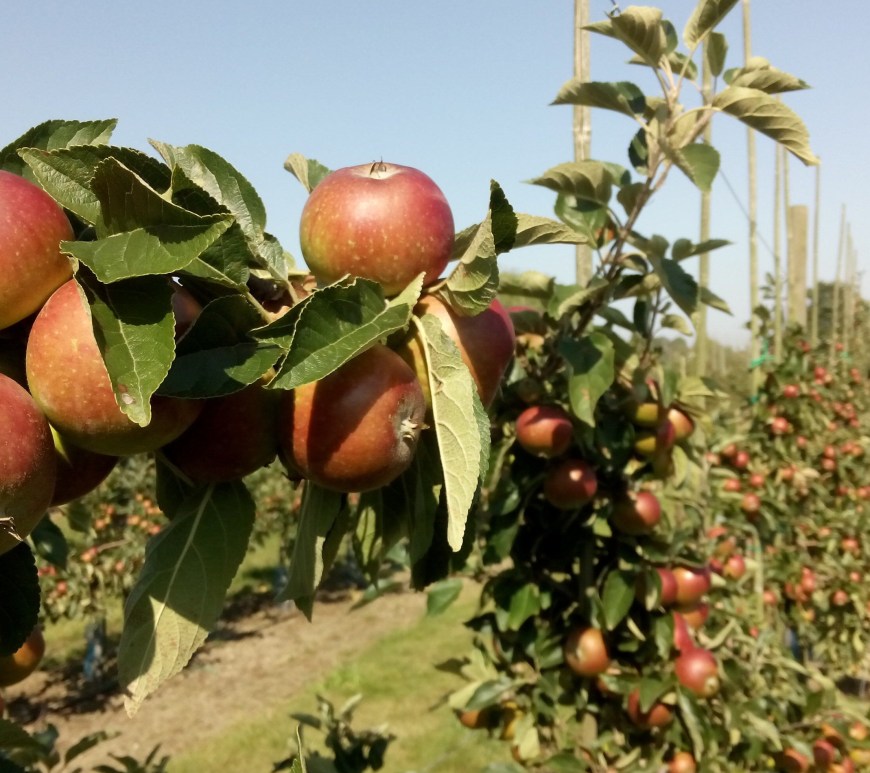
Issue 56:4’s Editor’s Choice, Management trade-offs on ecosystem services in apple orchards across Europe: Direct and indirect effects of organic production highlights the need for more environmentally friendly pest control approaches in order to keep up with increasing production demands and avoid damage to pollination services. Associate Editor, Juan Corley, comments on the article. Strategy to minimize the negative effects of pests and weeds is … Continue reading Editor’s Choice 56:4 – A worm in the apple

Do wildlife-friendly farming subsidy schemes deliver their expected benefits?

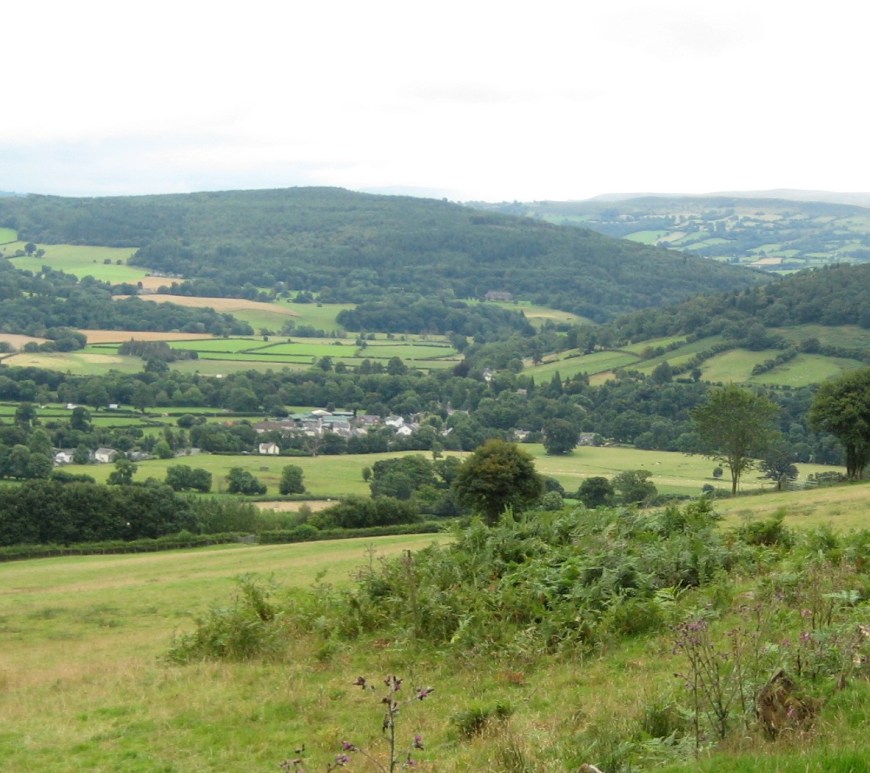
Recently Michael MacDonald examined the impact agri-environmental schemes have had in the UK and, in particular, Wales. Now Associate Editor Peter Manning highlights the need to focus on evidence of these schemes’ effects when considering agricultural policy reform. There is now overwhelming evidence that agricultural intensification has proven disastrous for wildlife, and that policies encouraging intensification are a key driver in this process. In Europe … Continue reading Do wildlife-friendly farming subsidy schemes deliver their expected benefits?

U.S. policy-based management improves grassland bird nest survival – although finer-scale habitat has superior predictive ability

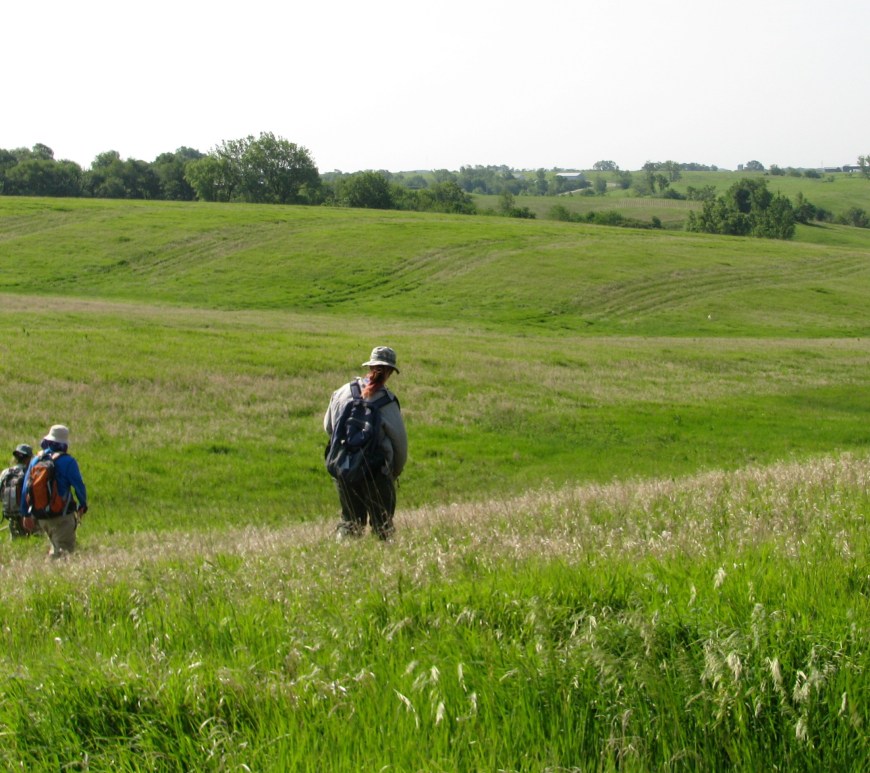
In a recent study, Justin Shew and colleagues found nest survival improved with policy-based management and establishing native grasses but conclude finer-scale details often have superior predictive ability from a multi-scale perspective. Read more about their findings here. A video summary of their work is also available. Grassland and farmland bird populations have been declining around the world and these declines are primarily attributed to … Continue reading U.S. policy-based management improves grassland bird nest survival – although finer-scale habitat has superior predictive ability

On the horizon: Options for cultivating rice as climate changes and salinity increases

For the latest post in our series looking at developing issues in the world of conservation, Erica Fleishman explores food security and the production of rice in a changing climate. Rising sea levels, drought, and agricultural irrigation have increased the salinity of soils in both coastal and inland areas. Mineral deficiencies and toxicity may accompany local increases in salinity. As a result, scientists aim to … Continue reading On the horizon: Options for cultivating rice as climate changes and salinity increases

Complex landscapes and complex decisions for farmland conservation

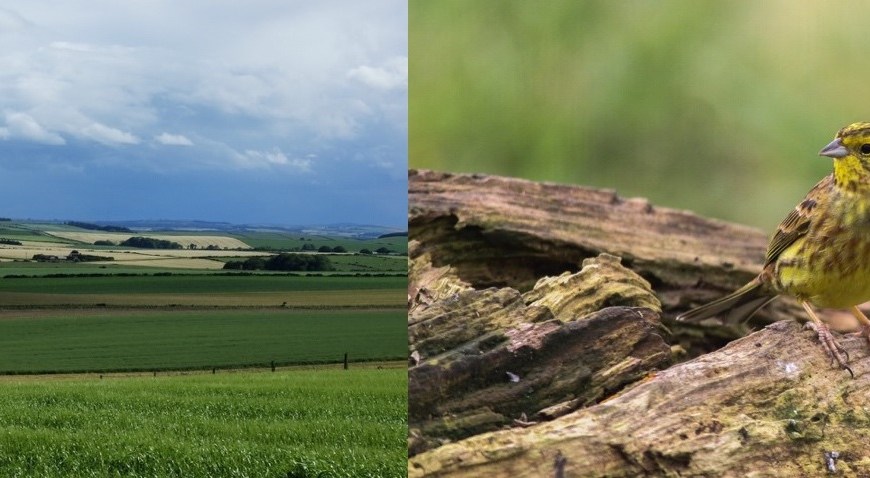
In this post, discover how farmland birds and agri-environmental schemes went from dissertation topic, to British Ecological Society Annual Meeting talk, to published paper for one early career researcher. Gergana Daskalova (University of Edinburgh) describes the evolution of Population responses of farmland bird species to agri‐environment schemes and land management options in Northeastern Scotland. Farmland birds: decades of decline and mixed benefits of agri-environmental schemes … Continue reading Complex landscapes and complex decisions for farmland conservation

Spotlight: Managing biodiversity and ecosystem services in farmland landscapes

Issue 56:1 of Journal of Applied Ecology turns its focus to innovative developments in sustainable food production with the Spotlight, Landscape‐level design for managing biodiversity in agroecosystems. Associate Editor, Tomas Pärt and colleagues from The Landscape Ecology Network group at the Swedish University of Agricultural Sciences summarize the importance of this new collection of work. How should we use and manage agricultural landscapes for sustainable … Continue reading Spotlight: Managing biodiversity and ecosystem services in farmland landscapes

Better many small than a few large: how landscape configuration affects arthropod communities in rice agroecosystems

Can splitting agricultural ecosystems help reduce yield losses for rice farmers? Associate Editor, Juan Corley highlights the importance of Dominik et al.’s recent research, Landscape composition, configuration, and trophic interactions shape arthropod communities in rice agroecosystems. A Spanish version of this post is available here. For many of us city dwellers, rice is common in much modern cuisine, from Sushi to Spanish paella. However more … Continue reading Better many small than a few large: how landscape configuration affects arthropod communities in rice agroecosystems