On the horizon: Deforestation expansion of plantations and infrastructure threaten Indo-Malay island species

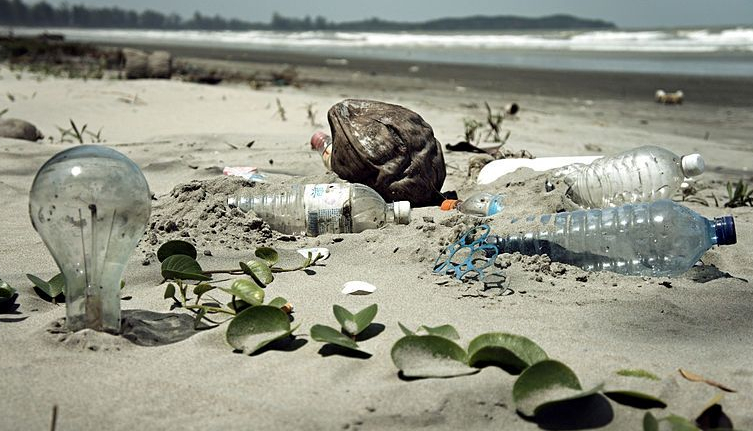
The latest post in our ‘On the horizon’ series sees Nafeesa Esmail and Alice Hughes highlight the potential effects of a developing palm oil industry on Southeast Asisa’s forests.  Southeast Asia’s forests are some of the most diverse on Earth, representing a number of global biodiversity hotspots. Yet this region is also undergoing an unparalleled rate of deforestation. Given the small ranges of many species … Continue reading On the horizon: Deforestation expansion of plantations and infrastructure threaten Indo-Malay island species

On the horizon: Climate change and the capacity of Antarctic benthos to store carbon

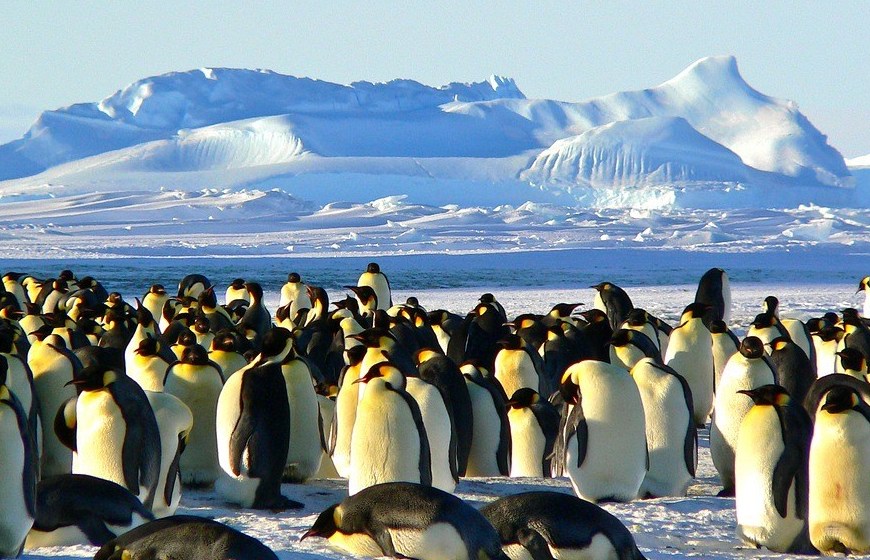
Kicking off our On the horizon series of posts about emerging issues in conservation and applied ecology, Nathalie Pettorelli explores how climate change and melting ice in the Antarctic could affect carbon storage on a global scale. Just a few days ago, news outlets around the world were reporting on the findings from a study published in the Proceedings of the National Academy of Sciences … Continue reading On the horizon: Climate change and the capacity of Antarctic benthos to store carbon

Conservation issues on the horizon

Following the recent publication of Sutherland et al.’s A Horizon Scan of Emerging Issues for Global Conservation in 2019, a selection of the authors have come together to produce a series of posts on key issues emerging within conservation and applied ecology. Over the coming few weeks, we will be sharing ‘On the horizon’ commentaries on the future of conservation and management related to climate … Continue reading Conservation issues on the horizon

To share or to spare…

That is the question Associate Editor, Gavin Siriwardena (British Trust for Ornithology) invites you to explore at a new Interactive Session during this year’s British Ecological Society Annual Meeting. Here he offers an insight into ‘When and how are land-sparing and land-sharing appropriate for environmental management’? Find out how you can get involved here. Recent studies have proposed land-sparing as an optimal solution for biodiversity … Continue reading To share or to spare…

The bear necessities of grizzly bear population recovery in Alberta, Canada

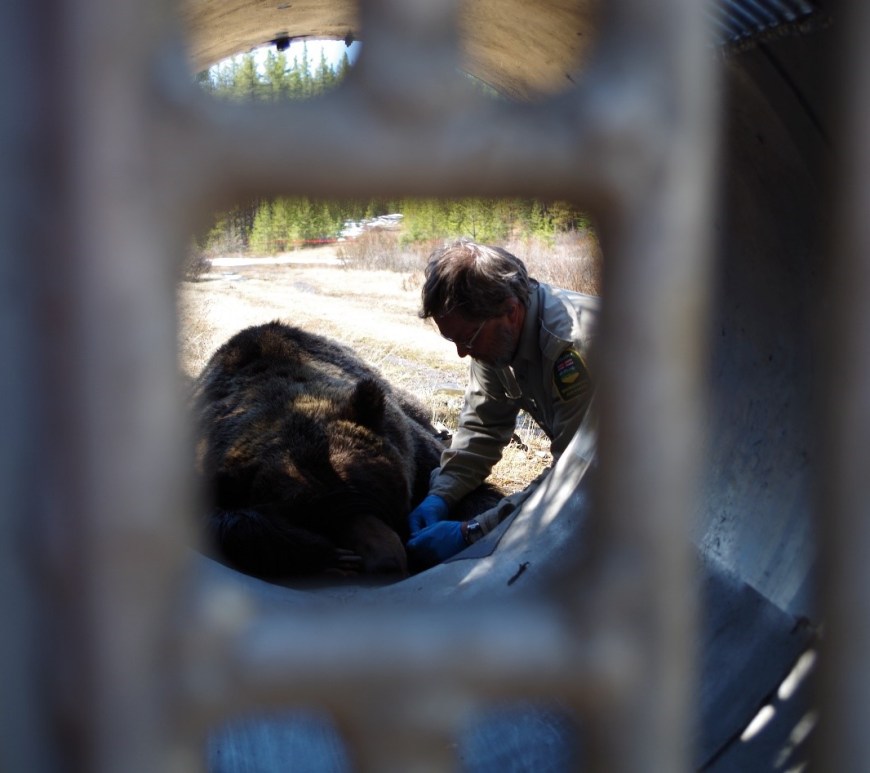
In our latest Practitioner’s Perspective, Towards grizzly bear population recovery in a modern landscape, Sean Coogan explains how new, multi-disciplinary approaches are being used to protect Canada’s threatened grizzly bears. The management and conservation of large carnivores can be socially controversial and politically charged. To make matters more complicated, the data required to make effective scientifically-informed management decisions may be lacking, or extremely difficult to … Continue reading The bear necessities of grizzly bear population recovery in Alberta, Canada

Solutions science – Ciencia de soluciones

Claire Wordley (Conservation Evidence project, University of Cambridge) looks at evaluation and evidence in testing interventions and asks the question, ‘What works in conservation’? A Spanish version  of this post is also available. Evidence in conservation: does it matter? What do scaring juvenile offenders, giving steroids to head trauma patients, and bat bridges all have in common? They are all examples of interventions that were … Continue reading Solutions science – Ciencia de soluciones

Toward prediction in the restoration of biodiversity

Issue 54:4 of the Journal of Applied Ecology features a Special Feature, Toward prediction in the restoration of biodiversity. In the first of a series of blogs accompanying the feature, Guest Editor, Lars Brudvig introduces the work and the ecological ideas behind this collection of articles. By repairing ecosystems damaged through human activities, ecological restoration plays an important role in biodiversity conservation efforts. Furthermore, restoration … Continue reading Toward prediction in the restoration of biodiversity

Greater than the sum of its parts: a holistic approach to wildlife trade

In this post, Daniel Bergin discusses issue 54.3’s Practitioner’s Perspective, Holistic management of live animals confiscated from illegal wildlife trade by Dr. Thomas Gray and colleagues. Armed detectives burst through the door. Traffickers are arrested, media coverage generated, and live animals are rescued from the illegal wildlife trade. But what happens next? What happens next is the focus of a new paper by Gray et. al., … Continue reading Greater than the sum of its parts: a holistic approach to wildlife trade

Spotlight: Forecasting and preventing the next outbreak – perspectives on infectious disease management

The Spotlight for issue 54:3 is on wildlife diseases. This post is written by Samantha Rumschlag and Jeremy Cohen. All five Spotlight papers are available to read here. In an ever-changing world, the risk of disease emergence is on the rise. As the climate warms, ranges of parasites and disease vectors are predicted to shift, exposing naïve populations to new threats. Humans are put in closer … Continue reading Spotlight: Forecasting and preventing the next outbreak – perspectives on infectious disease management

How does one effectively engage communities for conservation? Try becoming PARTNERS

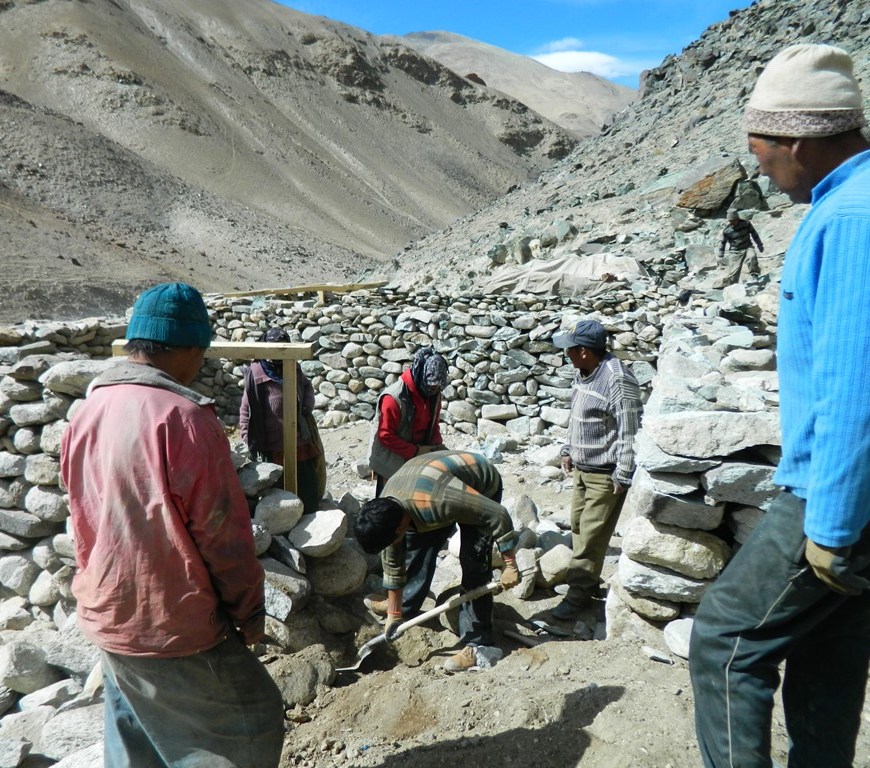
With a focus on community engagement, Matthias Fiechter, Charudutt Mishra, Steve Redpath, Brad Rutherford and Juliette Young, discuss the PARTNERS principle and importance of working with people towards conservation efforts. This post supports their recent Journal of Applied Ecology Practitioner’s Perspective, Building partnerships with communities for biodiversity conservation: lessons from Asian mountains. We’re currently witnesses to – and in many ways complicit in – the sixth mass … Continue reading How does one effectively engage communities for conservation? Try becoming PARTNERS