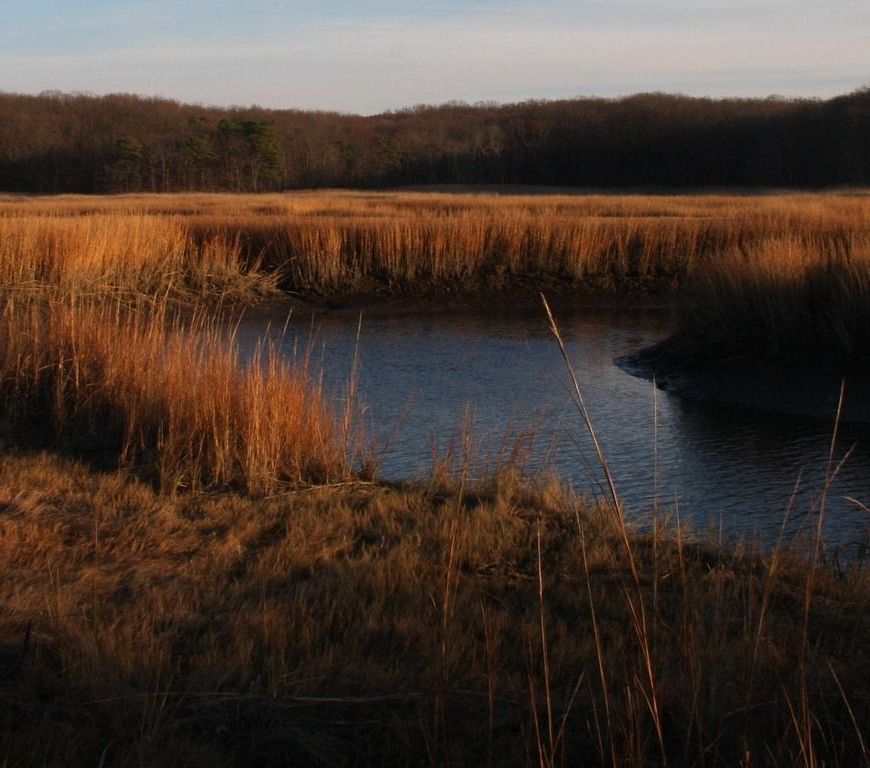
Farmlands near coastal wetlands experience less cyclone damage

Coastal wetlands, including mangrove forests and saltmarshes, are known to reduce coastal erosion and flooding during storms. However, limited studies have investigated whether these ecosystems influence how tropical cyclones affect nearby farmlands. Farmlands are highly vulnerable to extreme weather events predicted with climate change, threatening food security and regional economies. Our study examined patterns of flooding and crop cover change on coastal sugarcane land in … Continue reading Farmlands near coastal wetlands experience less cyclone damage

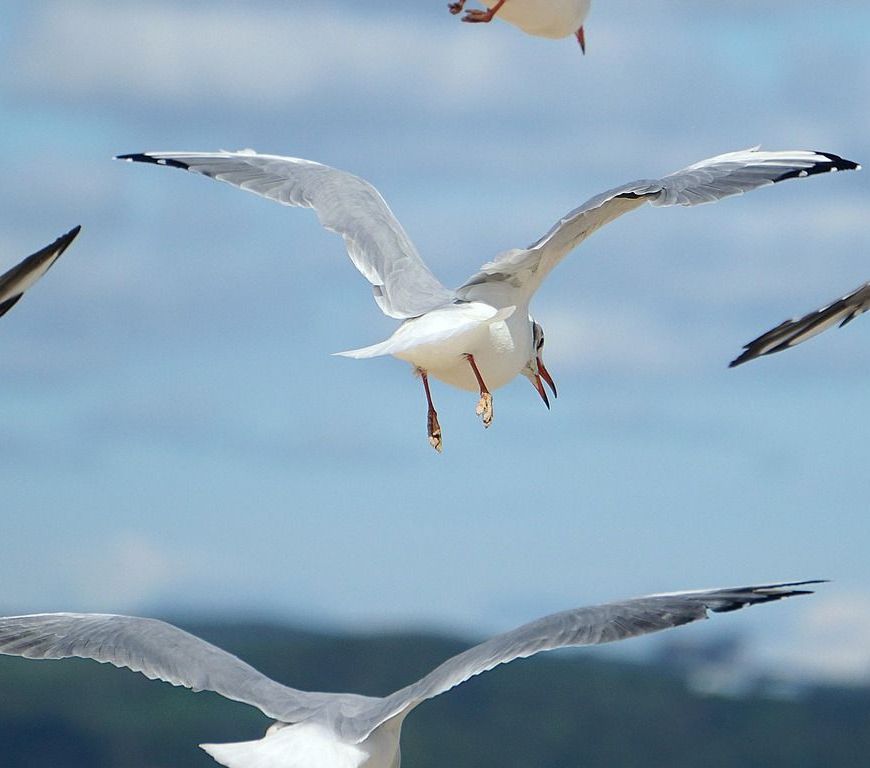
Using seabird migration routes as a tool for ocean conservation

Protecting migratory species requires countries to work together across the full routes these animals travel each year. For land and waterbirds, the idea of “global flyways”, the broad paths birds follow between breeding and non‑breeding areas, has been an effective way to organise international conservation. Flyways help unite governments, researchers, and conservation groups, guide research and funding, and coordinate long‑term action. Recently, scientists have identified … Continue reading Using seabird migration routes as a tool for ocean conservation

Not all disturbances are alike: Exploring patterns and shifts in European forest regimes

Forests are naturally shaped by events such as fires, windstorms, or insect outbreaks, known altogether as forest disturbances. The long-term characteristics of these events is defined as disturbance regime; and their trends depend on multiple factors, including site conditions (e.g., climate and soil), disturbance and management legacies, and the specific causal agents present in the region. In this study, we characterised the main disturbance regimes … Continue reading Not all disturbances are alike: Exploring patterns and shifts in European forest regimes

Planting Trees to Avoid Losing Soil Carbon: Insights from Snaizeholme Valley, Yorkshire Dales

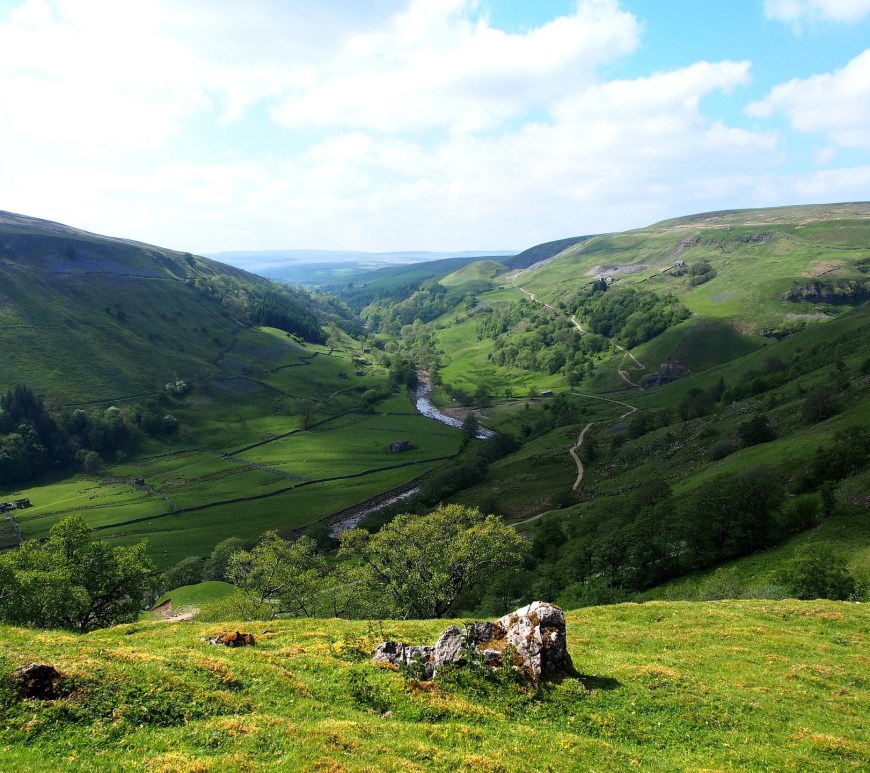
Darvill et al. share their experience investigating soil organic carbon stocks in a new native woodland in the Yorkshire Dales, UK, highlighting the importance of careful woodland design. Targeting the Right Soils: How Woodland Design Shapes Soil Carbon Outcomes Tree planting is widely promoted as a nature-based response to climate change. New woodlands can reduce flood risk, improve air quality, support biodiversity, and capture carbon … Continue reading Planting Trees to Avoid Losing Soil Carbon: Insights from Snaizeholme Valley, Yorkshire Dales

Studying habitat requirements at the edge of a species’ range: lessons from a critically endangered warbler in the Italian Alps

Ceresa et al. share their experience investigating the conservation of peripheral populations, focusing on the critically endangered barred warbler Curruca nisoria in the Italian Alps. Peripheral populations — those living at the edges of a species’ distribution — are often small and isolated. Yet they can be disproportionately important for conservation, harbouring unique genetic diversity and local adaptations that may help species cope with environmental change. … Continue reading Studying habitat requirements at the edge of a species’ range: lessons from a critically endangered warbler in the Italian Alps

Qualitatively Assessing Carbon Management Trade-offs at the Nature Conservancy’s Meyer Preserve

Written by Rylee McMillan and Adrienne Keller At The Nature Conservancy’s Newell and Ann Meyer Preserve in Wisconsin, USA, managers face an increasingly difficult challenge: understanding the trade-offs and benefits of managing for carbon outcomes among other management objectives.  This challenge is not unique. Ecosystems globally are witnessing clear and intensifying effects of climate change, driving a growing interest in using natural lands for their … Continue reading Qualitatively Assessing Carbon Management Trade-offs at the Nature Conservancy’s Meyer Preserve

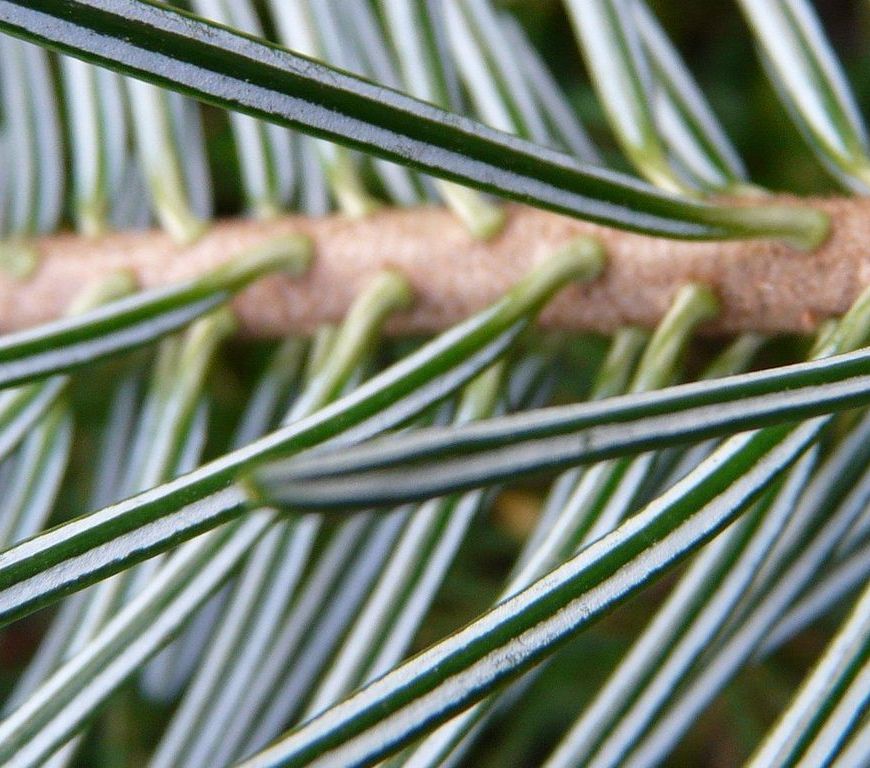
Silver fir seed quality varies with age, fir-associated forest cover, and climate conditions of seed production stands in Austria

Reforestation and forest restoration require large numbers of high-quality seeds and seedlings. In Austria, seeds of silver fir—a species important for adapting forests to climate change—are often of low quality. Therefore, it would be helpful to identify the factors that affect seed quality so we can better predict and plan seed harvests. Our study looked at whether seed quality differs between seeds from seed orchards … Continue reading Silver fir seed quality varies with age, fir-associated forest cover, and climate conditions of seed production stands in Austria

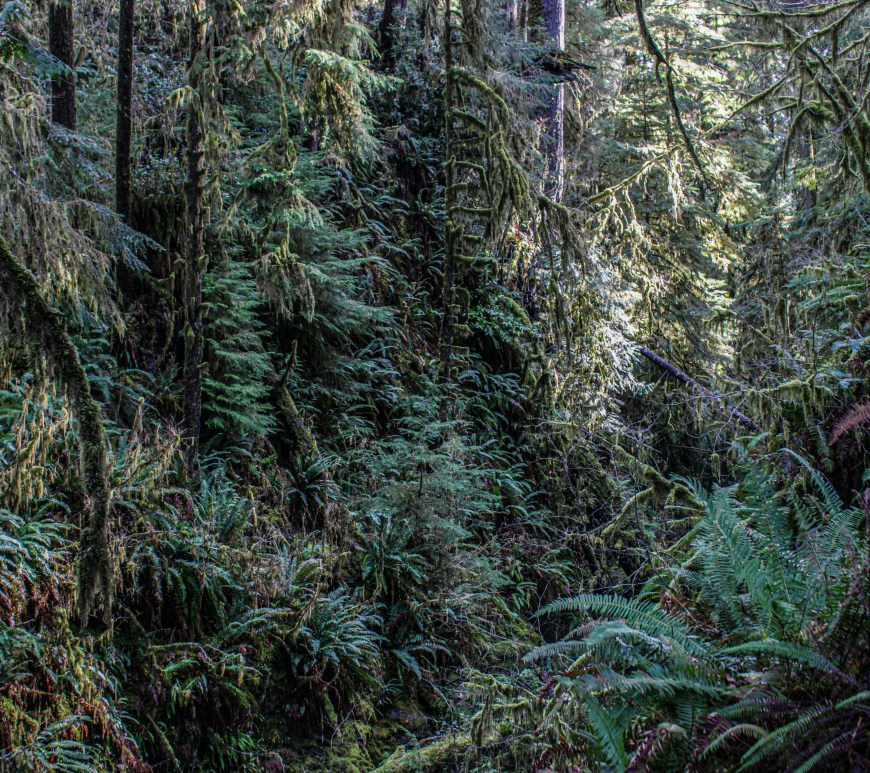
Where Could Ireland and Britain’s Temperate Rainforest Actually Go?

Katerina Chernyuk highlights the need to understand the various factors impacting temperate rainforests and shares her team’s research investigating the potential climate envelopes in Ireland and Britain. Recently, temperate rainforests have captured public awareness across Ireland and Britain, with everything from award-winning books, media articles and restoration projects, leading to attention from both NGOs and governments. Temperate rainforests have become a flagship habitat for Irish … Continue reading Where Could Ireland and Britain’s Temperate Rainforest Actually Go?

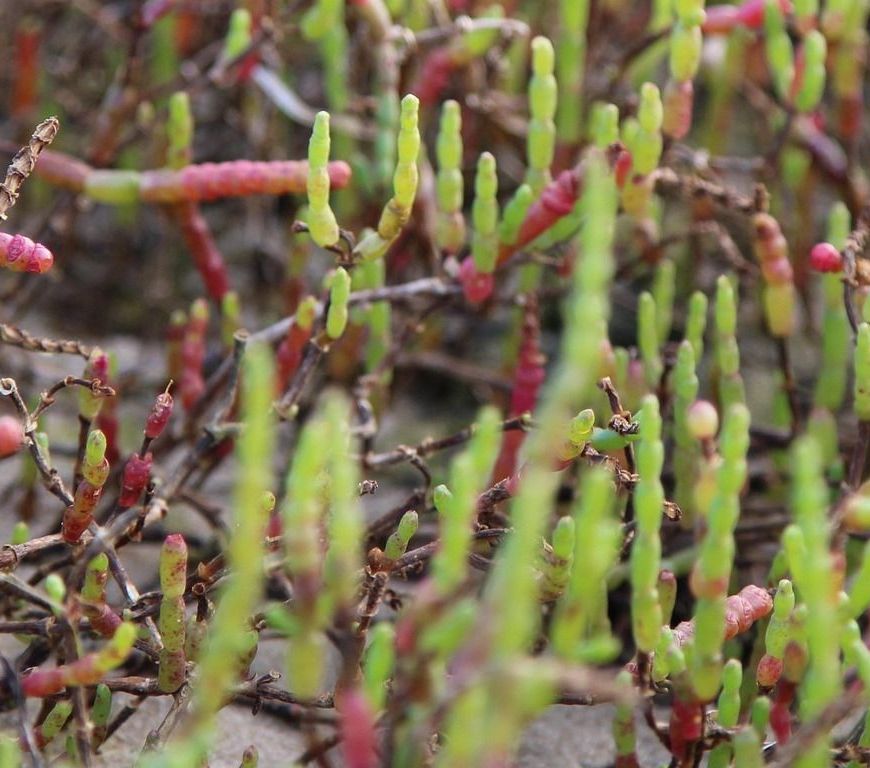
Dirt to the rescue: Using sediment to restore evolving saltmarshes in the subtropics

Coastal wetlands such as saltmarshes and mangrove forests provide benefits including storm protection and fisheries support to millions of people around the world. Yet, these habitats are changing rapidly as sea levels rise and temperatures warm, especially in areas affected by both of these stressors at the same time. In the subtropics, for example, saltmarshes are deteriorating from sea level rise while also transitioning to … Continue reading Dirt to the rescue: Using sediment to restore evolving saltmarshes in the subtropics

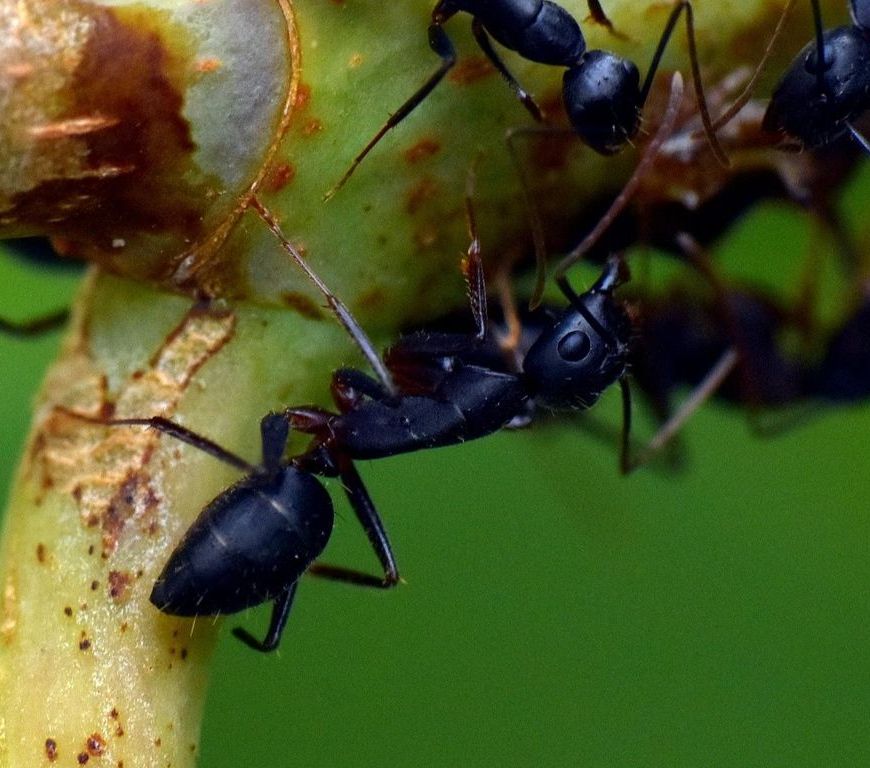
Insect farming can repeat the invasion mistakes of aquaculture – unless we act early

Insect farming is often promoted as a sustainable alternative to conventional livestock, with the potential to reduce land use, emissions, and pressure on natural resources. However, scaling up any food production system also carries environmental risks. In this study, we show that one important risk – biological invasions caused by escaped farmed species – has received far too little attention in the rapidly growing insect … Continue reading Insect farming can repeat the invasion mistakes of aquaculture – unless we act early