High Intensity Fires – do they reverse bush encroachment or speed up the loss of tall trees?

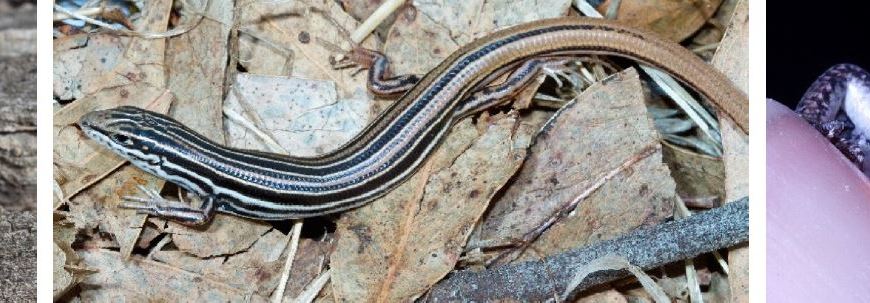
In this post Izak Smit discusses his recent paper ‘An examination of the efficacy of high-intensity fires for reversing woody encroachment in savannas‘. Woody densification in savannas Many studies have documented how grasslands and open savannas are being invaded by woody plants. This phenomenon is predicted to increase as atmospheric CO2 levels increase, favouring woody plants at the expense of grasses. Woody encroachment can have … Continue reading High Intensity Fires – do they reverse bush encroachment or speed up the loss of tall trees?

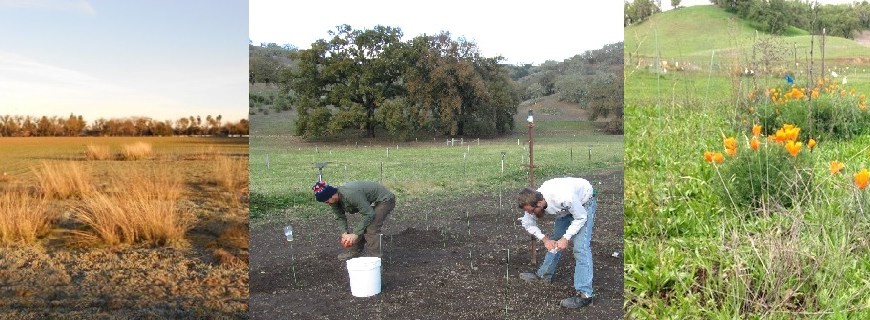
Evolution of plant materials for ecological restoration: insights from the applied and basic literature

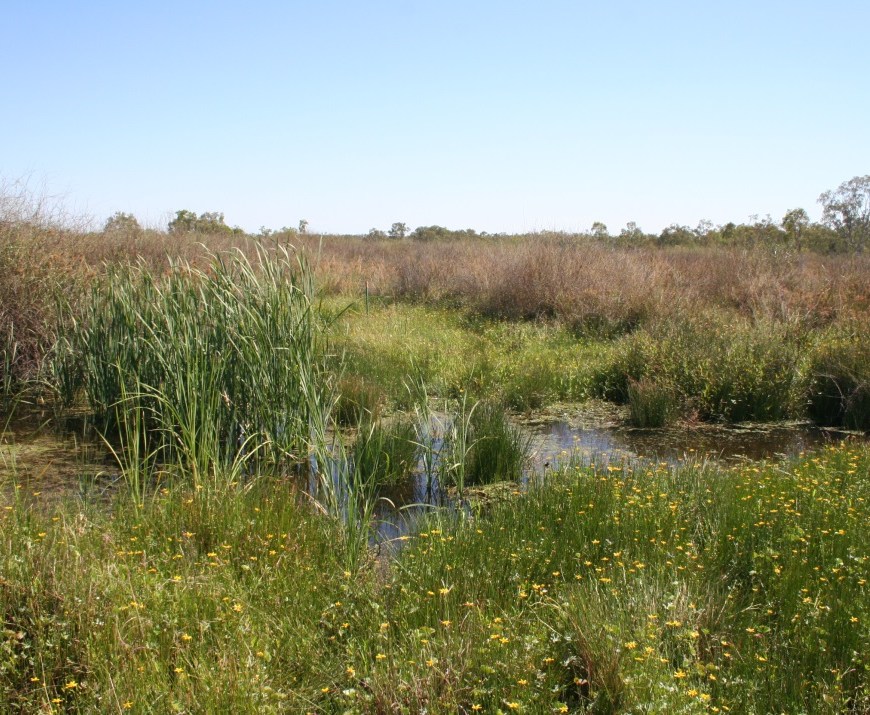
In this post Erin Espeland discusses the recent paper ‘Evolution of plant materials for ecological restoration: insights from the applied and basic literature‘ by herself and co-authors Nancy Emery, Kristin Mercer, Scott Woolbright, Karin Kettenring, Paul Gepts and Julie Etterson. Native plant materials can evolve during seed collection, increase, and planting. We survey the evolutionary and agricultural literature and apply it to the problem of restoration, … Continue reading Evolution of plant materials for ecological restoration: insights from the applied and basic literature

Measuring the success of reforestation for restoring biodiversity and ecosystem functioning

This blog post discusses a recent paper by Mia Derhé, ‘Measuring the success of reforestation for restoring biodiversity and ecosystem functioning‘. Restoring rainforests: Recovering both biodiversity and ecosystem functioning Rapid anthropogenic forest change means that many countries are now running out of large areas of primary forest and so the future of tropical forest biodiversity depends more than ever on the effective management and restoration … Continue reading Measuring the success of reforestation for restoring biodiversity and ecosystem functioning

Using reef fish movement to inform marine reserve design

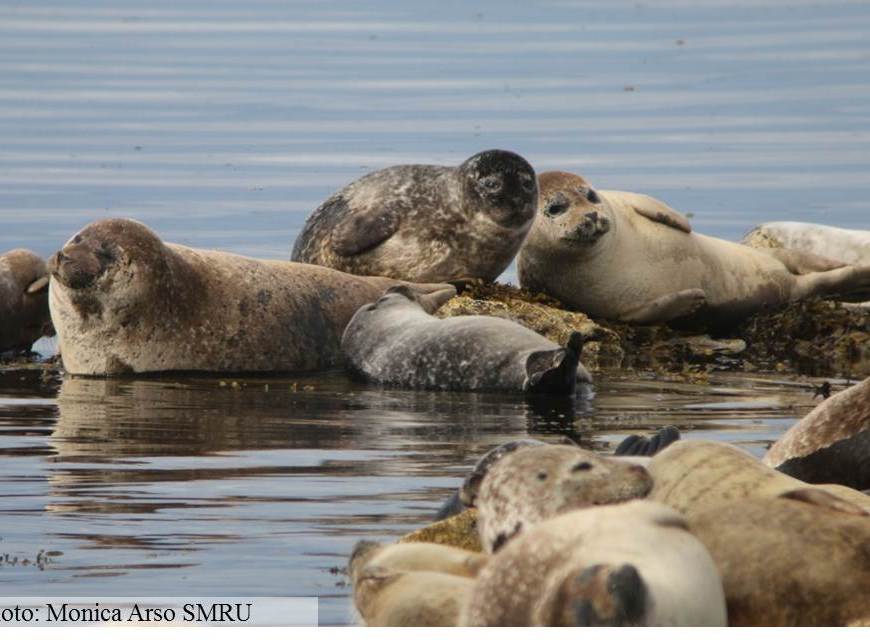
In this post Rebecca Weeks discusses her recent paper ‘Using reef fish movement to inform marine reserve design‘. The majority of marine protected areas in Pohnpei (Federated States of Micronesia) are too small to protect the species that people care about most. But when livelihoods depend on fishing, establishing large no-take areas is a big challenge. Overfishing and unsustainable fishing practices are amongst the greatest threats … Continue reading Using reef fish movement to inform marine reserve design

Wolves prefer running in straight lines

In this post, Associate Editor Johan du Toit discusses a recent paper ‘Faster and farther: wolf movement on linear features and implications for hunting behaviour’ by Melanie Dickie, Robert Serrouya, Scott McNay and Stan Boutin. Humans make lines on the landscape When flying over any landscape, what strikes the eye as the most distinctive evidence of human activity on the ground is linear features in … Continue reading Wolves prefer running in straight lines

Differences in the shape of wildlife population declines can guide conservation action

In this post Martina Di Fonzo discusses her paper ‘Patterns of mammalian population decline inform conservation action‘ published in Issue 4 of Journal of Applied Ecology, online today. Wildlife monitoring programmes play a key role in understanding ecological systems and this information forms the basis of many management decisions and conservation actions. Monitoring population declines, in particular, is an important step in tackling biodiversity loss, … Continue reading Differences in the shape of wildlife population declines can guide conservation action

Taxonomic and functional diversity in Mediterranean pastures: Insights on the biodiversity – productivity trade-off

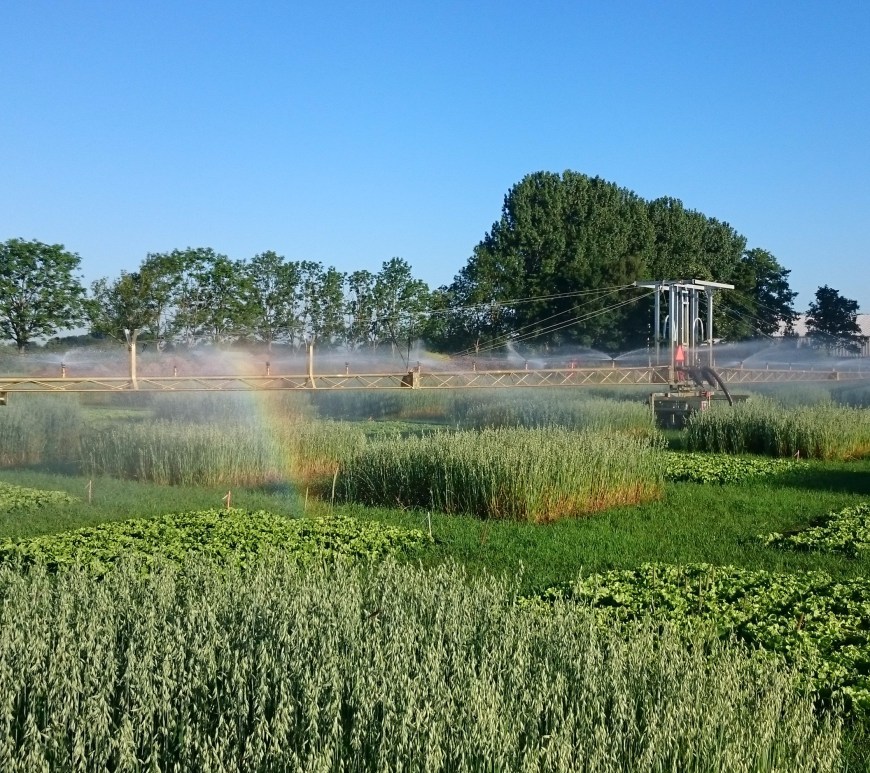
In this post Victor Rolo discusses his recent paper ‘Taxonomic and functional diversity in Mediterranean pastures: Insights on the biodiversity – productivity trade-off ‘ There is a shepherds’ saying in Spain that goes: “below a shrub, you can raise a lamb”. But, if that were true, why is the presence of semi-natural features perceived as a negative element for herbage productivity in grasslands? The answer … Continue reading Taxonomic and functional diversity in Mediterranean pastures: Insights on the biodiversity – productivity trade-off

Fine-scale salmon diversity sustains fisheries and supports food security of indigenous communities

A new study from Holly Nesbitt and Jonatahn Moore at Simon Fraser University shows that high biodiversity in salmon fisheries supports the food security of indigenous people. Salmon-folios Instead of analyzing market returns of different financial portfolios, this study examined indigenous fisheries with different “salmon-folios”. Like a well-balanced financial portfolio that can smooth market fluctuations, fisheries that caught a more diverse portfolio of salmon populations … Continue reading Fine-scale salmon diversity sustains fisheries and supports food security of indigenous communities

Not all herbivores are created equal – Characterizing population-level damage potential in migratory pests

In this post Gina Angelella discusses the recent paper from Sanford Eigenbrode and colleagues ‘Host-adapted aphid populations differ in their migratory patterns and capacity to colonize crops‘ When encountering a migratory insect such as a winged aphid, how confidently can one predict its origins and threat to crops? It is tricky enough to track the dispersal of a homogeneous species, but the addition of population-level … Continue reading Not all herbivores are created equal – Characterizing population-level damage potential in migratory pests

Maintaining diverse bee communities on farmland: the importance of floristic diversity

In this post Thomas Wood discusses his recent paper ‘Providing foraging resources for solitary bees on farmland: current schemes for pollinators benefit a limited suite of species‘ Farmland biodiversity was negatively affected across most European nations throughout the 20th century, predominantly due to a period of rapid agricultural intensification following the Second World War. Flowery hay meadows were ploughed up and herbicides, fertilisers and other … Continue reading Maintaining diverse bee communities on farmland: the importance of floristic diversity