Spotlight: Forecasting and preventing the next outbreak – perspectives on infectious disease management

The Spotlight for issue 54:3 is on wildlife diseases. This post is written by Samantha Rumschlag and Jeremy Cohen. All five Spotlight papers are available to read here. In an ever-changing world, the risk of disease emergence is on the rise. As the climate warms, ranges of parasites and disease vectors are predicted to shift, exposing naïve populations to new threats. Humans are put in closer … Continue reading Spotlight: Forecasting and preventing the next outbreak – perspectives on infectious disease management

Testament of cover crops – with Dutch translation

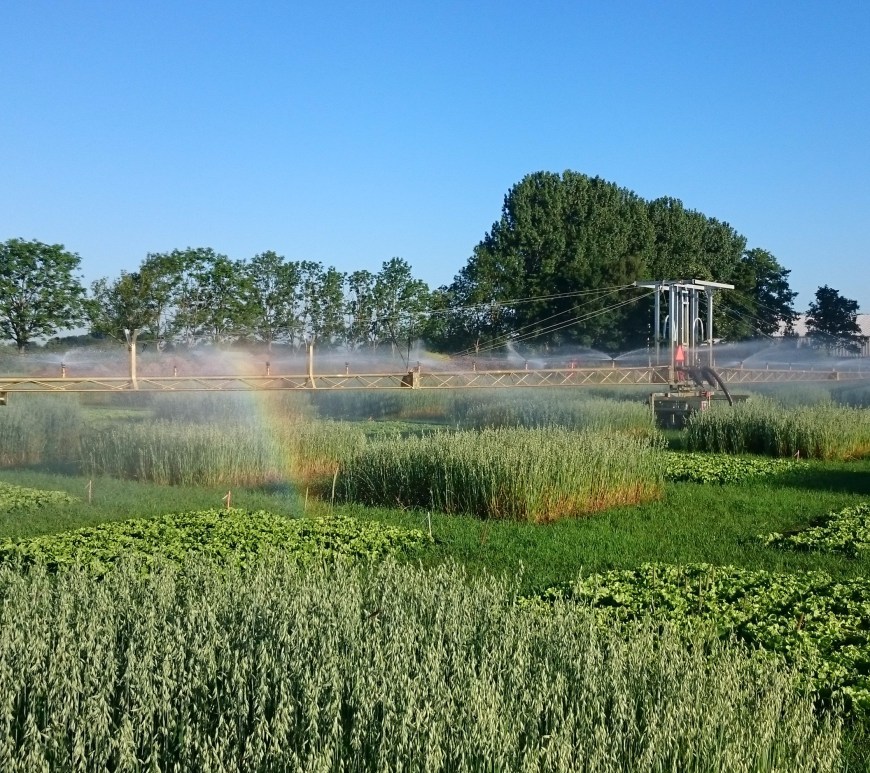
In this post, Janna Barel shares thoughts on the legacies plants leave, the benefits of cover crops and insights from her recent Journal of Applied Ecology paper, Legacy effects of diversity in space and time driven by winter cover crop biomass and nitrogen concentration. Janna has also included a Dutch translation of this post. Journal of Applied Ecology is dedicated to making papers more accessible and … Continue reading Testament of cover crops – with Dutch translation

When to burn and where?

Commentary on Brooke Williams’ article, Optimising the spatial planning of prescribed burns to achieve multiple objectives in a fire-dependent ecosystem by Associate Editor, Cate Macinnis-Ng. Following on from Brooke’s own blog post, Cate gives a personal spin on her own experience of fire events and of editing the paper. This manuscript arrived in my inbox within days of the Port Hills fire outside Christchurch. When it comes to … Continue reading When to burn and where?

Prescribed burns for multiple needs – is optimising spatial planning the solution to conflicting fire management objectives?

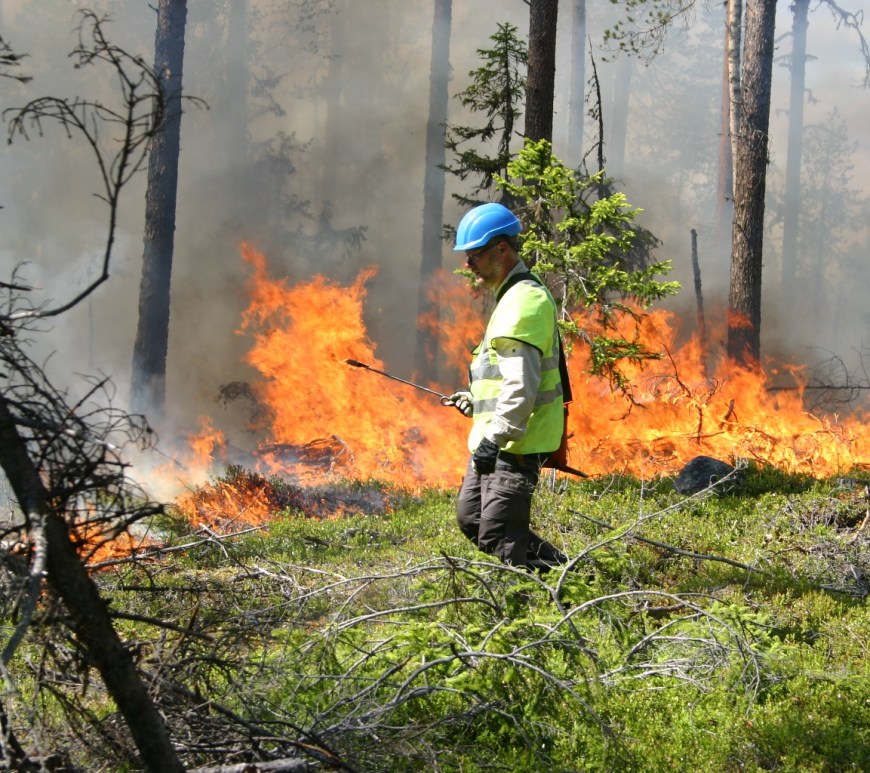
Following our recent Editor’s Choice that looked at prescribed burns in African savanna, this latest blog by Brooke Williams turns to fire management and prescribed burns in Australia. The blog supports Williams’ recent paper, Optimising the spatial planning of prescribed burns to achieve multiple objectives in a fire-dependent ecosystem. Fire management is an important aspect of ensuring the safety of Australians living within fire-prone environments. It … Continue reading Prescribed burns for multiple needs – is optimising spatial planning the solution to conflicting fire management objectives?

Wet wetlands restore better

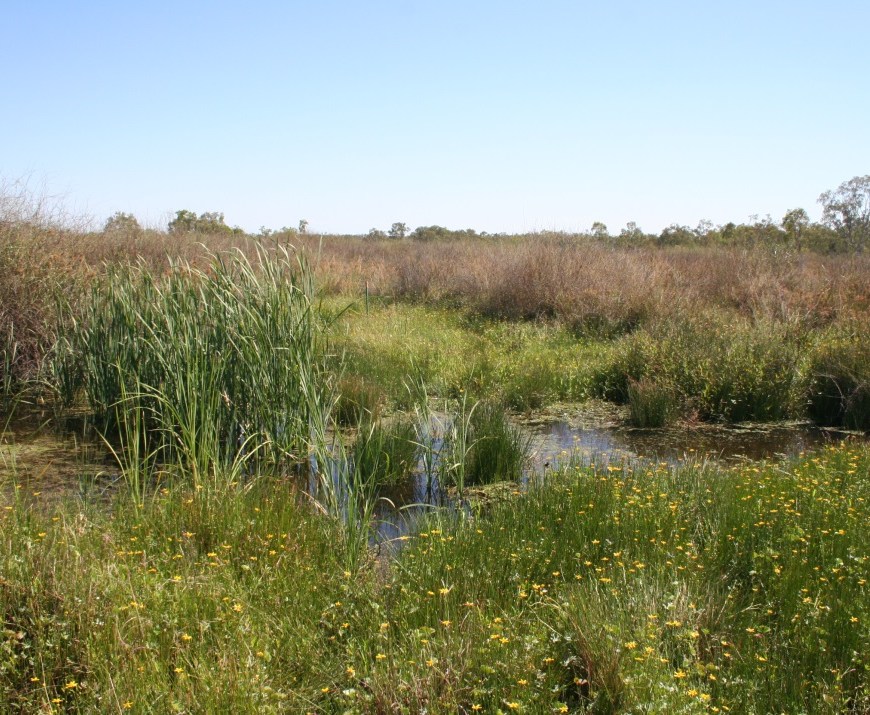
With Plant Conservation Day in mind, Samantha Dawson’s post discusses characteristics of wetland plants and her new paper, Plant traits of propagule banks and standing vegetation reveal flooding alleviates impacts of agriculture on wetland restoration. Many of the world’s wetlands are highly degraded and they are one of the most threatened types of ecosystems. To attempt to halt or reverse this trend, there are lots of … Continue reading Wet wetlands restore better

Mapping risk: new method to synthesize spatial data on human and animal use of coastal waters

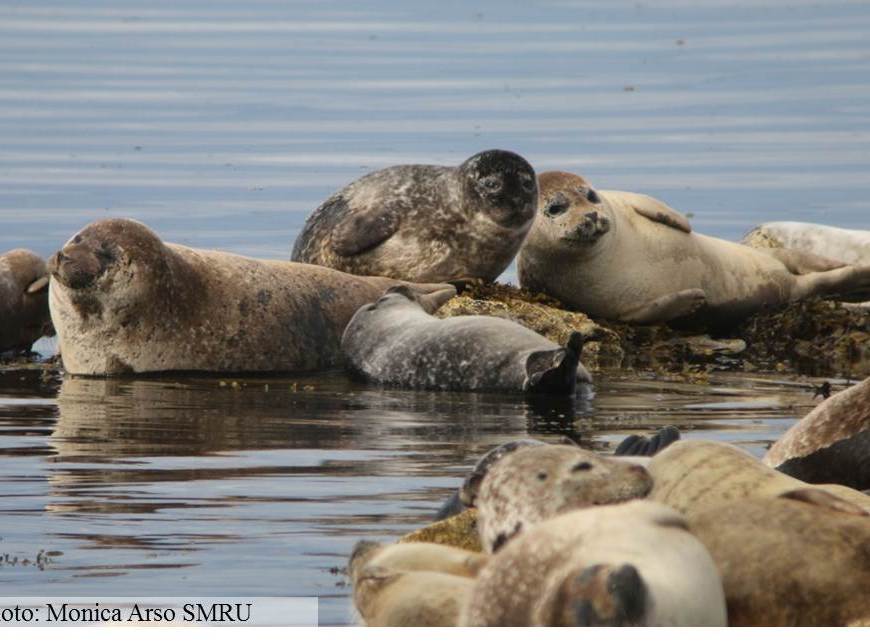
In this post Erin Ashe discusses a new article from Esther Jones and colleagues ‘Seals and shipping: quantifying population risk and individual exposure to vessel noise‘ An exciting new paper (Jones et al. 2017) outlines a rigorous and widely applicable framework to predict ship noise levels in coastal waters, assess noise exposure for two seal species, and explicitly incorporate these results into risk assessments and … Continue reading Mapping risk: new method to synthesize spatial data on human and animal use of coastal waters

Designing waterfronts that work for fish and people

In this post Stuart Munsch discusses his new article ‘Effects of shoreline armouring and overwater structures on coastal and estuarine fish: opportunities for habitat improvement‘ Shallow ecosystems facilitate the development and survival of juvenile fish. These areas are productive and provide fish with an abundance of small invertebrates produced in intertidal substrate, backshore vegetation, and the water column. In addition, predators are rare or ineffective … Continue reading Designing waterfronts that work for fish and people

PODCAST: Forest restoration as a double-edged sword

In this podcast Simon Kärvemo discusses his paper ‘Forest restoration as a double-edged sword: the conflict between biodiversity conservation and pest control’ published today in Journal of Applied Ecology. Forest fires create open patches and dead wood – both factors that favour biodiversity, but using fire as a restoration tool is both risky and requires a lot of work and planning. What if we could … Continue reading PODCAST: Forest restoration as a double-edged sword

Forests in 3D

In this post Markus Eichhorn discusses his new article ‘Effects of deer on woodland structure revealed through terrestrial laser scanning‘ About the video: Three-dimensional reconstruction of a transect from Wyre Forest, an area of high deer density. The central 10 X 50 m plot is surrounded by a large number of points which were not used in the analyses. Survey apparatus is still visible. Points … Continue reading Forests in 3D

Considering animal behaviour to improve ecological restoration

In this post Robin Hale discusses his Review paper with Stephen Swearer ‘When good animals love bad restored habitats: how maladaptive habitat selection can constrain restoration‘ Restoration is vital to offset the effects of habitat loss on biodiversity Recent biodiversity assessments paint a bleak picture. For example, vertebrates have suffered dramatic population declines (e.g. by 58% since 1970) and been lost at 100 times the … Continue reading Considering animal behaviour to improve ecological restoration