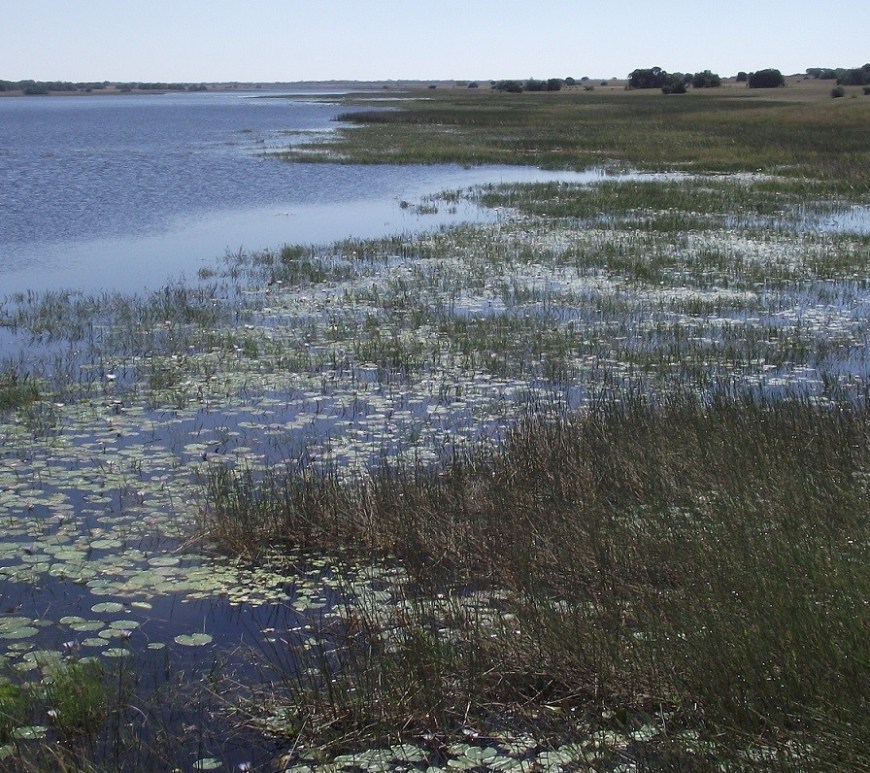
What can we learn from pollution trading to help us create biodiversity offset markets that do not undermine conservation goals?

Katherine Needham aims to answer this question following her recent  Commentary, Designing markets for biodiversity offsets: Lessons from tradable pollution permits, published in the journal. At the start of 2018, the UK Government outlined its ambitious 25 Year Environment Plan. The very first action is to embed an ‘environmental net gain’ principle for all future developments, including housing. Reconciling the need to build 300,000 new … Continue reading What can we learn from pollution trading to help us create biodiversity offset markets that do not undermine conservation goals?

On the horizon: omega-3 fatty acids in oil crops – saving fish or threatening insects?

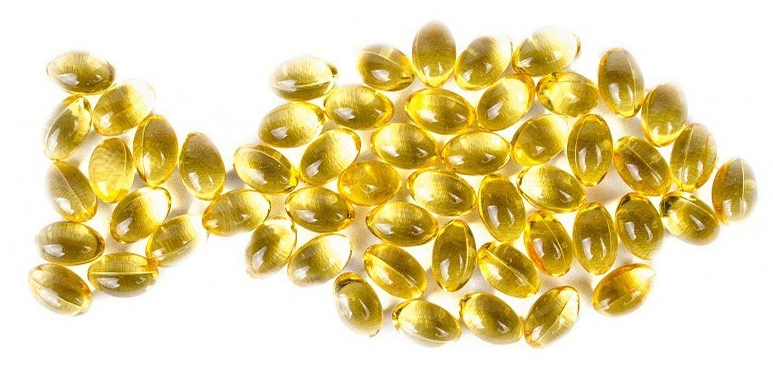
An emerging genetic technology that makes oilseed crops produce omega-3 fatty acids promises health and sustainability benefits, but there’s a potential adverse impact on insects that hardly anyone is talking about. Lynn Dicks and Xavier Le Roux round off our ‘On the horizon’ series. Polyunsaturated, long chain omega-3 fatty acids are the reason why healthy diet recommendations usually include seafood and oily fish like salmon, … Continue reading On the horizon: omega-3 fatty acids in oil crops – saving fish or threatening insects?

How to keep the mycorrhizae? The more hosts you leave, the more symbionts you get

How can tree retention mediate the effects of human-introduced disturbance on ectomycorrhizal fungi? Nahuel Policelli  and Senior Editor, Martin Nuñez discuss the recent article, The significance of retention trees for survival of ectomycorrhizal fungi in clear‐cut Scots pine forests. One of the most important above-belowground interactions is that between plants and mycorrhizal fungi. Acting as symbionts, mycorrhizal fungi are involved in plants’ nutrient uptake and … Continue reading How to keep the mycorrhizae? The more hosts you leave, the more symbionts you get

Creating platforms for community participation in the design of multifunctional landscapes

Integrating social and ecological science to develop landscape-focused solutions to environmental problems, Osiman Mabhachi shares the story of a project supported by the British Ecological Society’s Ecologists in Africa grant. Rural communities across Africa connect to landscapes in diverse and complex ways, and communities’ dependence on natural resources found in landscapes is well-documented. As with other continents, African landscapes are undergoing transformations primarily driven by … Continue reading Creating platforms for community participation in the design of multifunctional landscapes

Sustainable intensification: our quest for the ‘holy grail’

Is it possible to meet food demands and increase production without the damaging costs to the environment? Patrick White et al. tackle this challenge in their recently published research in the journal. As the world population grows, our finite land is put under increasing pressure to meet food demands. Historically we have increased agricultural yields by increasing the intensity of agricultural practices – for example … Continue reading Sustainable intensification: our quest for the ‘holy grail’

On the horizon: Food for the future – regulating gene-edited plants

Could gene-edited plants provide better food security? And what are the risks and potential consequences presented by this process? Helen Doran (Senior Specialist, Futures, Natural England) explores these questions in the latest instalment to our ‘On the horizon’ series. ‘Imagine that a cheap, easy-to-use, and rapidly deployable technology could make crops more fertile and strengthen their resistance to threats such as climate change and disease’ … Continue reading On the horizon: Food for the future – regulating gene-edited plants

Horse grazing restores plant diversity and pollinator habitat use

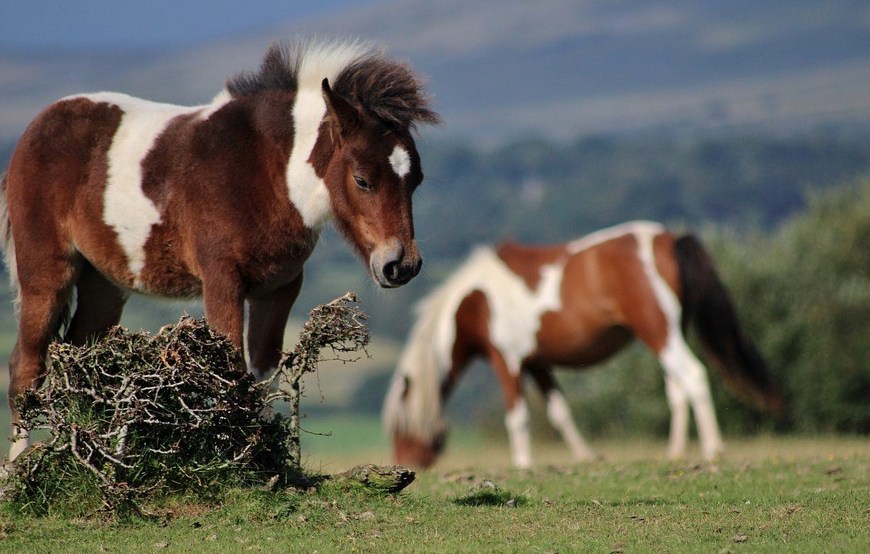
Associate Editor, Meredith Root-Bernstein discusses the short-term effects of rewilding projects and the recently published paper, Experimental rewilding enhances grassland functional composition and pollinator habitat use by Garrido et al. Rewilding has attracted attention as an emerging approach to nature conservation in areas where large animals and their ecosystem functions are missing. In Europe, ecological processes carried out by large herbivores may have been significantly … Continue reading Horse grazing restores plant diversity and pollinator habitat use

Editor’s Choice 56:4 – A worm in the apple

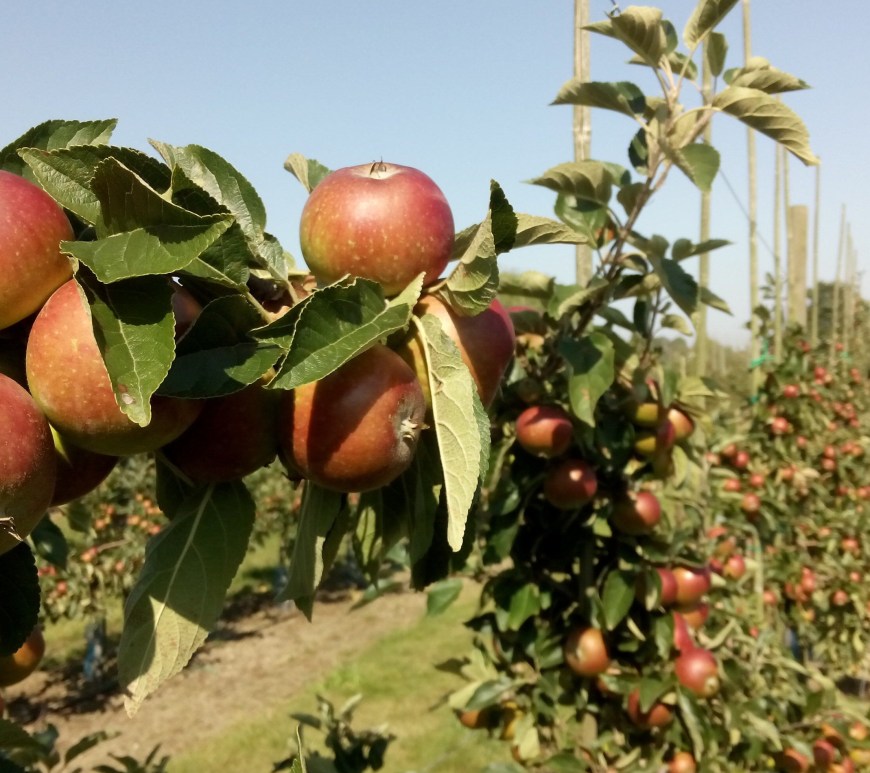
Issue 56:4’s Editor’s Choice, Management trade-offs on ecosystem services in apple orchards across Europe: Direct and indirect effects of organic production highlights the need for more environmentally friendly pest control approaches in order to keep up with increasing production demands and avoid damage to pollination services. Associate Editor, Juan Corley, comments on the article. Strategy to minimize the negative effects of pests and weeds is … Continue reading Editor’s Choice 56:4 – A worm in the apple

Cross-journal Virtual Issue: Lianas and Global Environmental Change

Together with Functional Ecology and Journal of Ecology, we’re showcasing  some of the top research recently published in the journals on the topic of lianas and global environmental change. Here Ainhoa Magrach brings the papers together and highlights the important roles lianas play in tropical forests. Lianas are a common feature of tropical forests, contributing up to 25% of woody stems. However, these important tropical … Continue reading Cross-journal Virtual Issue: Lianas and Global Environmental Change

Integrating ecosystem services into environmental decision making

How can institutions and decision makers better work with practitioners to deliver an effective ecosystem services approach in a world of competing priorities? Read the questions posed by Alina Congreve and Iain Cross, and share your thoughts in the comments below. The related challenges of climate change and biodiversity conservation require decision makers to develop an effective range of policy solutions. One approach is to … Continue reading Integrating ecosystem services into environmental decision making