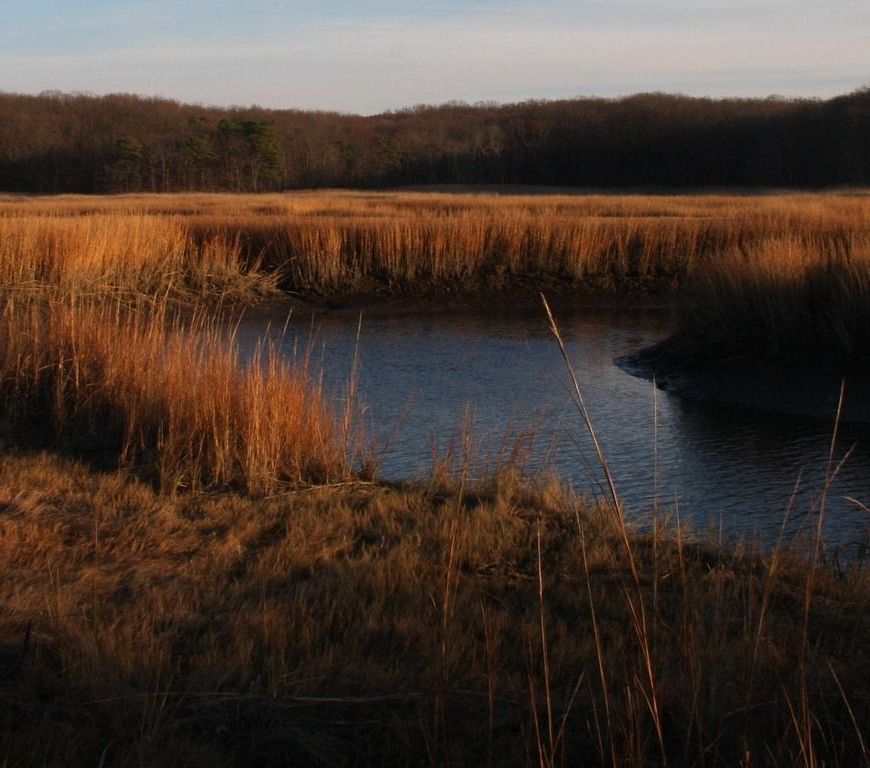
Farmlands near coastal wetlands experience less cyclone damage

Coastal wetlands, including mangrove forests and saltmarshes, are known to reduce coastal erosion and flooding during storms. However, limited studies have investigated whether these ecosystems influence how tropical cyclones affect nearby farmlands. Farmlands are highly vulnerable to extreme weather events predicted with climate change, threatening food security and regional economies. Our study examined patterns of flooding and crop cover change on coastal sugarcane land in … Continue reading Farmlands near coastal wetlands experience less cyclone damage

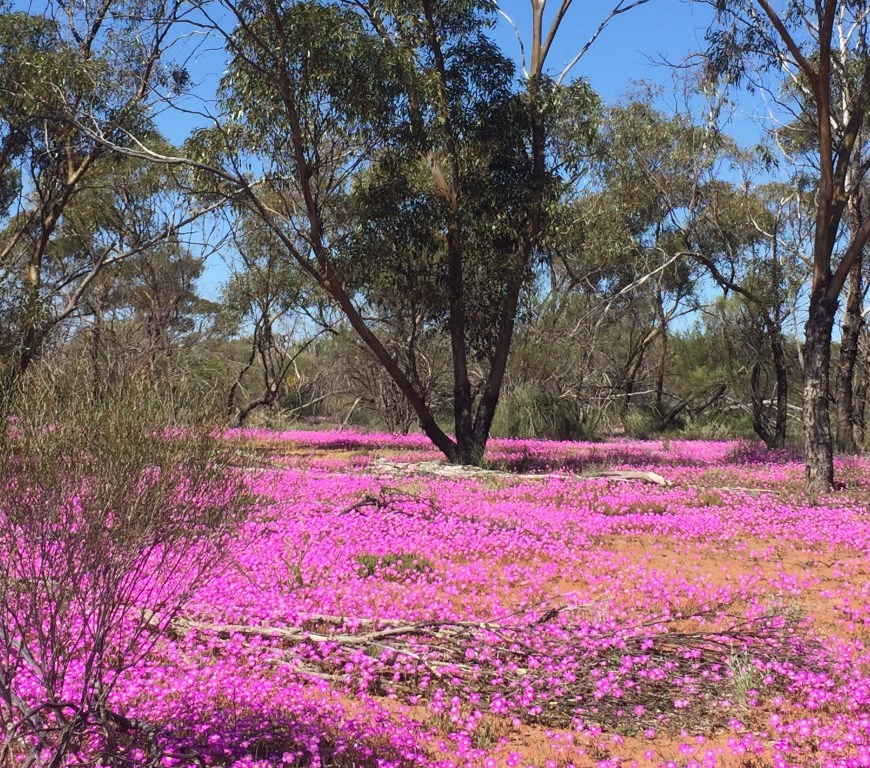
Rewilding old fields: why additional effort is needed to restore wildflowers

Why has restoring old fields been a challenge for practitioners for decades? In their latest research, Tina Parkhurst, Suzanne Prober and Rachel Standish explore the efficacy of intervention efforts to understand limitations in current practices. Globally, there is a trend towards widespread abandonment of marginal agricultural land. Land abandonment is often associated with land degradation following long-term unsustainable agricultural practices, resulting in low productivity. Whilst … Continue reading Rewilding old fields: why additional effort is needed to restore wildflowers

Toward prediction in the restoration of biodiversity

Issue 54:4 of the Journal of Applied Ecology features a Special Feature, Toward prediction in the restoration of biodiversity. In the first of a series of blogs accompanying the feature, Guest Editor, Lars Brudvig introduces the work and the ecological ideas behind this collection of articles. By repairing ecosystems damaged through human activities, ecological restoration plays an important role in biodiversity conservation efforts. Furthermore, restoration … Continue reading Toward prediction in the restoration of biodiversity