The landscape of fear in cattle farms? How the presence of barn swallow influences the activity of pest flies

Authors of a research article recently published in Journal of Applied Ecology talk us through how barn swallows are effective biological control agents for lowering pest fly activity in livestock farms. Preamble: Farmland birds, filth flies and the landscape of fear Birds are key suppliers of crucial ecosystem services worldwide, and insectivorous species can consume up to 400 – 500 million tons of prey each … Continue reading The landscape of fear in cattle farms? How the presence of barn swallow influences the activity of pest flies
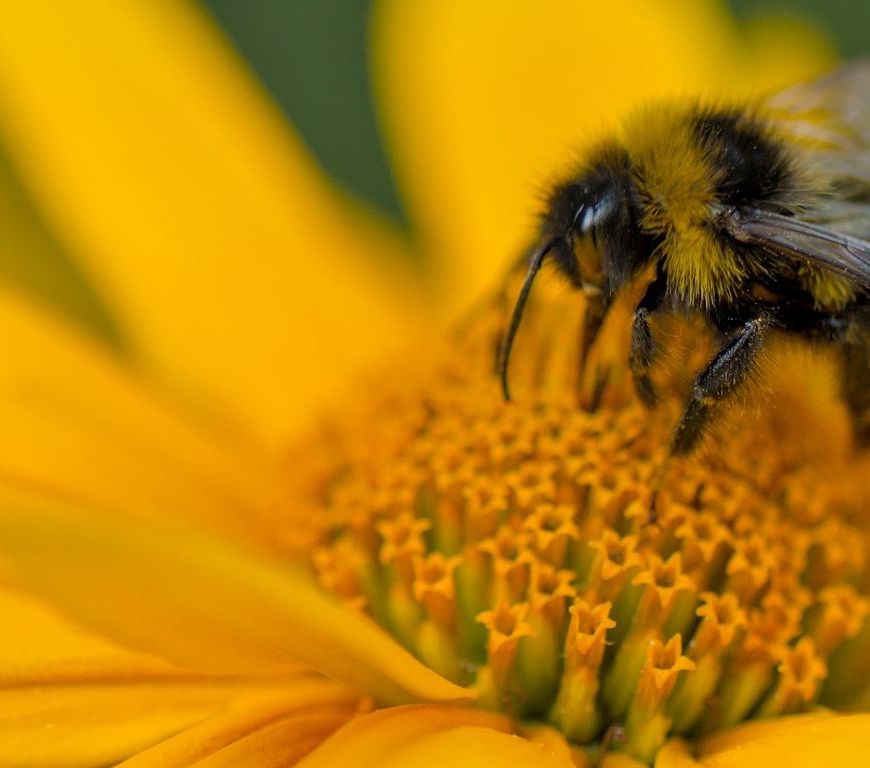
Bees go up, flowers go down: When are flowers needed most in agricultural areas?

Gabriella Bishop introduces us to the latest study, conducted alongside colleagues, which indicates that agri-environmental management should target the provision of summer floral resources for both social and solitary bees. Bees in intensive agricultural landscapes Bees need flowers for food and reproduction. Previously, agricultural areas contained small fields with undisturbed borders and flower-rich pastures that provided bees with the resources they need. The transition to … Continue reading Bees go up, flowers go down: When are flowers needed most in agricultural areas?

Editor’s Choice 57:01 – smaller woodlands in an agricultural world

Small but strong. Do we sometimes undervalue the benefits smaller woodlands bring to agricultural landscapes? Associate Editor Marney Isaac presents our first Editor’s Choice article of 2020, High ecosystem service delivery potential of small woodlands in agricultural landscapes, by Alicia Valdés and colleagues. Diversified farming systems result in a heterogeneous landscape that supports a suite of ecosystem services. These include, but are not limited to, … Continue reading Editor’s Choice 57:01 – smaller woodlands in an agricultural world