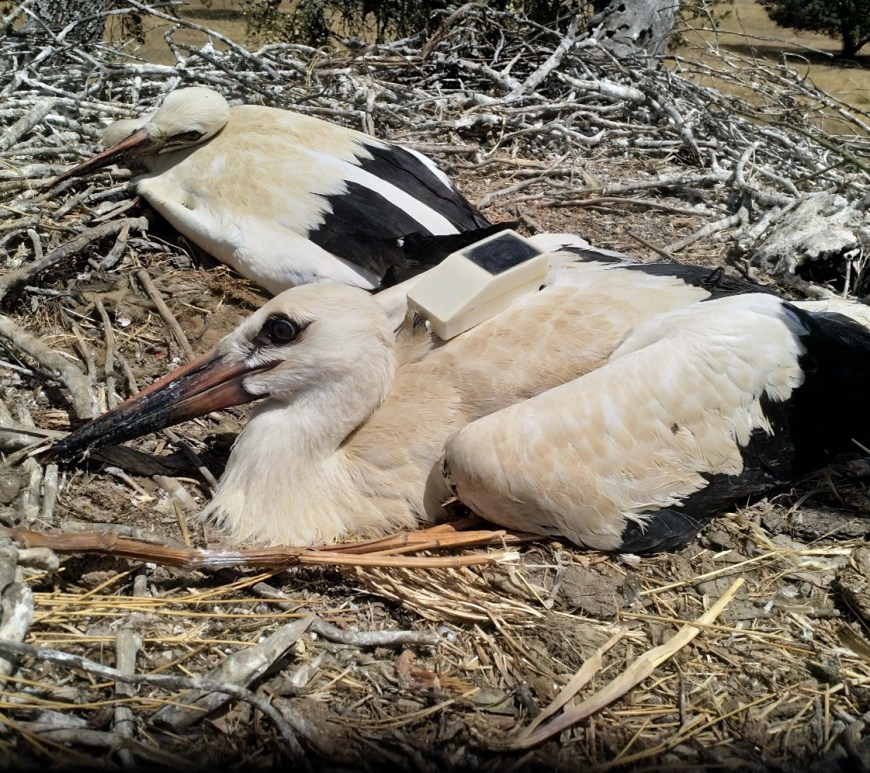
Kylie Soanes: Do wildlife crossing structures mitigate the barrier effect of roads on animal movement?

Shortlisted for the 2024 Southwood Prize Kylie Soanes details how, alongside colleagues, they analysed 313 studies to determine whether wildlife crossing structures mitigate the barrier effect of roads on wildlife movement. About the research Overview Wildlife crossing structures are a common tool to help animals cross roads safely. While there’s clear evidence that these structures are used by wildlife, we wanted to dig deeper into … Continue reading Kylie Soanes: Do wildlife crossing structures mitigate the barrier effect of roads on animal movement?
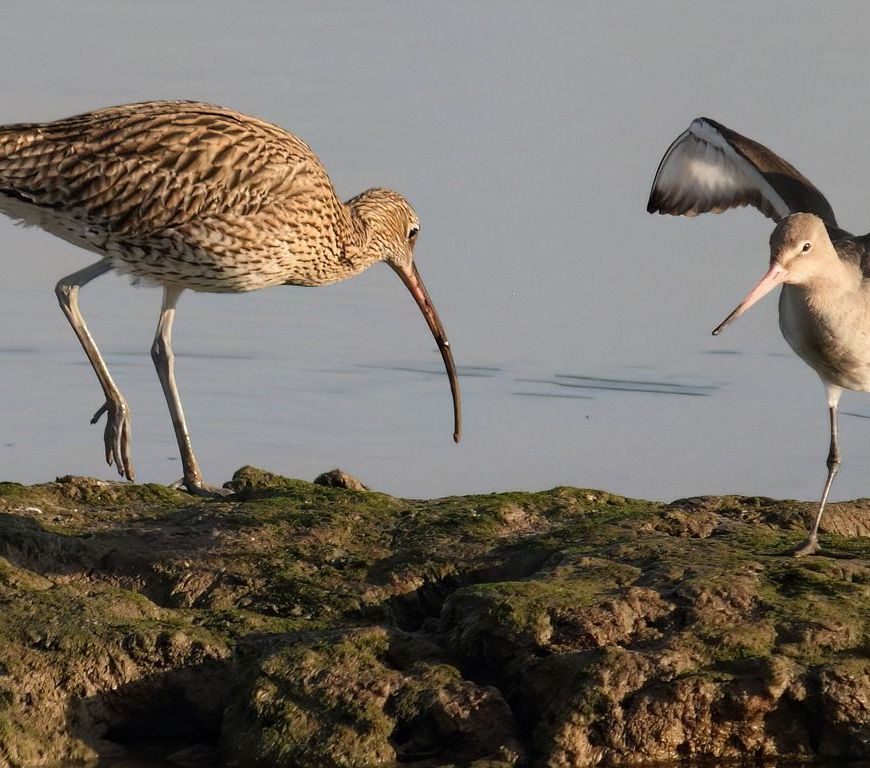
Revealing the hidden lives of non-breeding Black-tailed Godwits

In this blog post, Taylor Craft discusses the use of GPS tracking and satellite imagery to uncover the lives of Black-tailed Godwits in the Senegal Delta. You can read their latest study, published alongside co-authors, here. A pressing challenge The landscapes of the endangered continental Black-tailed Godwit face increasing pressures at nearly every key site along their migratory route. With poor recruitment limiting population growth, … Continue reading Revealing the hidden lives of non-breeding Black-tailed Godwits

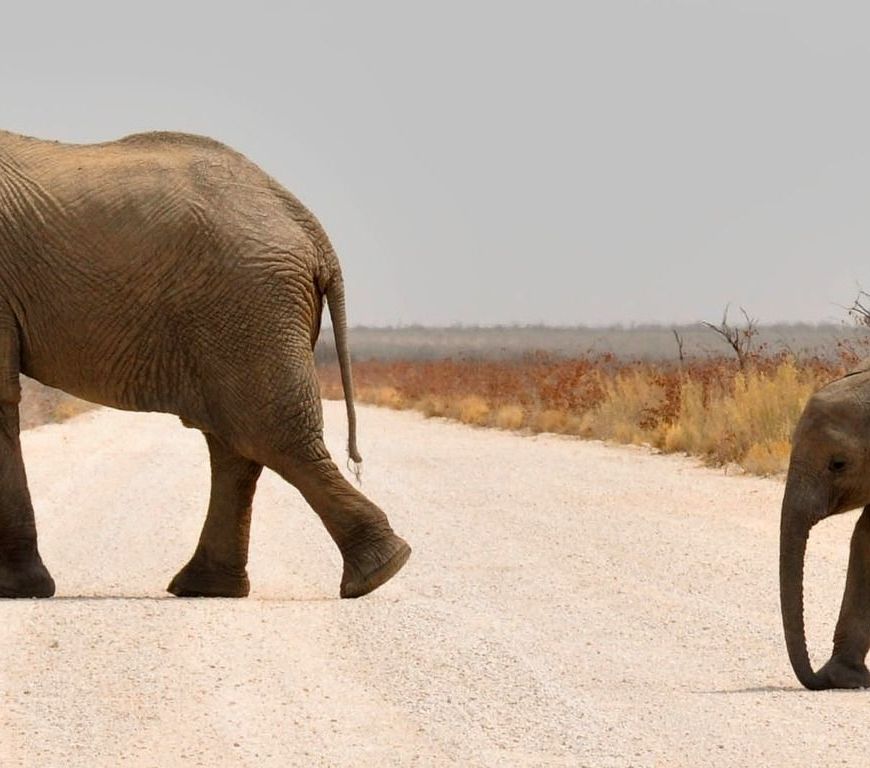
Elephant expressways: Examining multi-scalar elephant connectivity in KAZA

Callie Cho and Robin Naidoo talk us through how, using observed animal movements rather than conventional resistance surface models, a connectivity conservation blueprint for African elephants in the Kavango-Zambezi transfrontier conservation area (KAZA) in southern Africa was produced. This is explored further in the new research article. A key aspect of effective conservation management is understanding landscape connectivity—how easily animals can move between vital resource … Continue reading Elephant expressways: Examining multi-scalar elephant connectivity in KAZA

Hotspots in the Grid: Avian sensitivity and vulnerability to collision risk from energy infrastructure interactions In Europe and North Africa

A new paper, led by Jethro Gauld from the University of East Anglia and colleagues from across Europe, demonstrates how GPS tracking data can be a powerful tool for identifying areas where birds are most sensitive to new renewable energy development due to collision risks. The transition to zero carbon energy is essential to avoid runaway climate change. As nations strive to achieve their Net … Continue reading Hotspots in the Grid: Avian sensitivity and vulnerability to collision risk from energy infrastructure interactions In Europe and North Africa

How do fences affect animal movement behavior?

Each year, Journal of Applied Ecology awards the Southwood Prize to the best paper in the journal by an author at the start of their career. In this post, Wenjing Xu discusses her shortlisted paper which examined the behavioural responses of two migratory ungulate species to linear barriers in Wyoming, USA. Each year, thousands of migratory mule deer and pronghorn venture through the sagebrush plain in western Wyoming, … Continue reading How do fences affect animal movement behavior?

Editor’s Choice 58:4 Barrier Behaviour Analysis (BaBA) reveals extensive effects of fencing on wide‐ranging ungulates

Associate Editor, Marion Valeix, introduces Journal of Applied Ecology’s April Editor’s Choice article by Wenjing Xu and colleagues, which examines the behavioural responses of two migratory ungulate species to linear barriers in Wyoming, USA. Since the dawn of civilisation, humans have used fences for protection, fortification, decoration and demarcation. The biggest and most impressive, such as the Great Wall of China, can be seen from … Continue reading Editor’s Choice 58:4 Barrier Behaviour Analysis (BaBA) reveals extensive effects of fencing on wide‐ranging ungulates