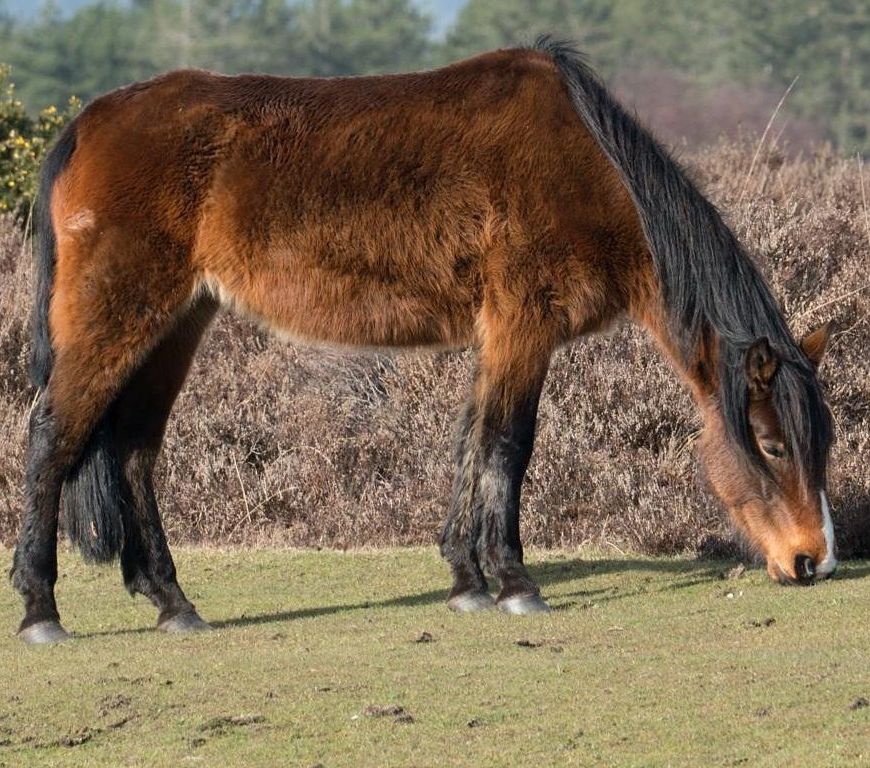
Impacts of proactive health management on cattle and horse diets and dung biodiversity in Danish rewilding areas

Emil S. Thomassen explains the recent diet study of rewilded cattle and horses, showing functional differences between the two species and reveals the impacts of management actions on this functionality as described in their latest research. The use of DNA metabarcoding for herbivorous diet analysis is a promising tool, yielding high-resolution data on plant consumption. In a time, where nature restoration and conservation are of … Continue reading Impacts of proactive health management on cattle and horse diets and dung biodiversity in Danish rewilding areas

How does replanting of oil palm plantations affect arthropod biodiversity?

Palm oil plantations require replanting every twenty to thirty years but its effects on biodiversity are widely understudied. In their latest research, Pashkevich and colleagues assess the impact of replanting on arthropod communities in an industrial plantation. Biodiversity in oil palm plantations Oil palm plantations are often in areas that were once tropical rainforests, and this conversion has resulted in widespread declines in biodiversity and … Continue reading How does replanting of oil palm plantations affect arthropod biodiversity?

Better many small than a few large: how landscape configuration affects arthropod communities in rice agroecosystems

Can splitting agricultural ecosystems help reduce yield losses for rice farmers? Associate Editor, Juan Corley highlights the importance of Dominik et al.’s recent research, Landscape composition, configuration, and trophic interactions shape arthropod communities in rice agroecosystems. A Spanish version of this post is available here. For many of us city dwellers, rice is common in much modern cuisine, from Sushi to Spanish paella. However more … Continue reading Better many small than a few large: how landscape configuration affects arthropod communities in rice agroecosystems