Keeping native trees in pine plantations may help protect soil carbon

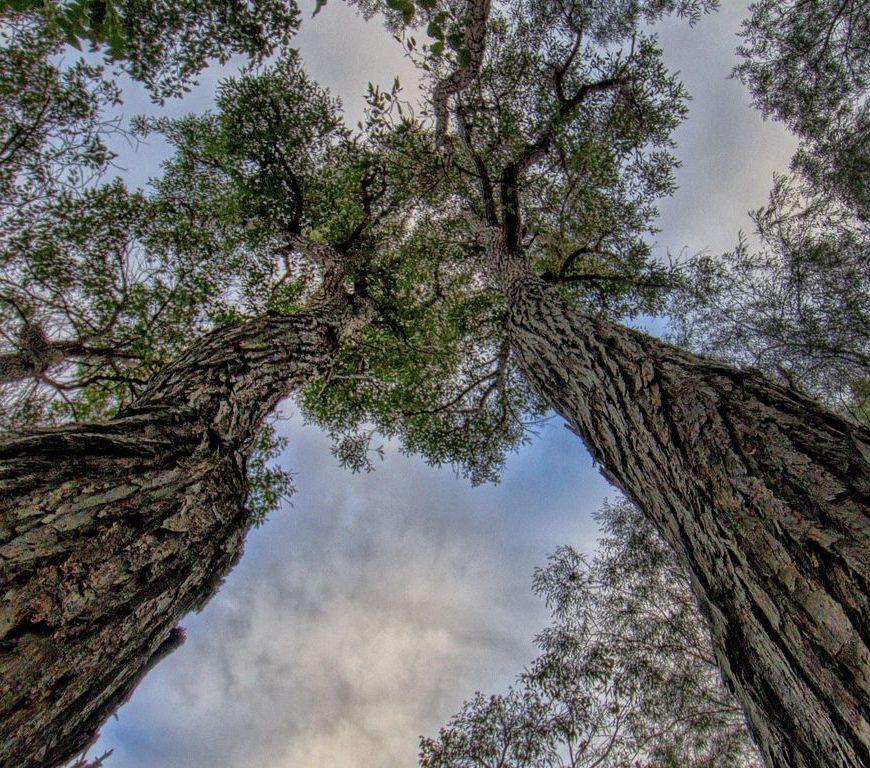
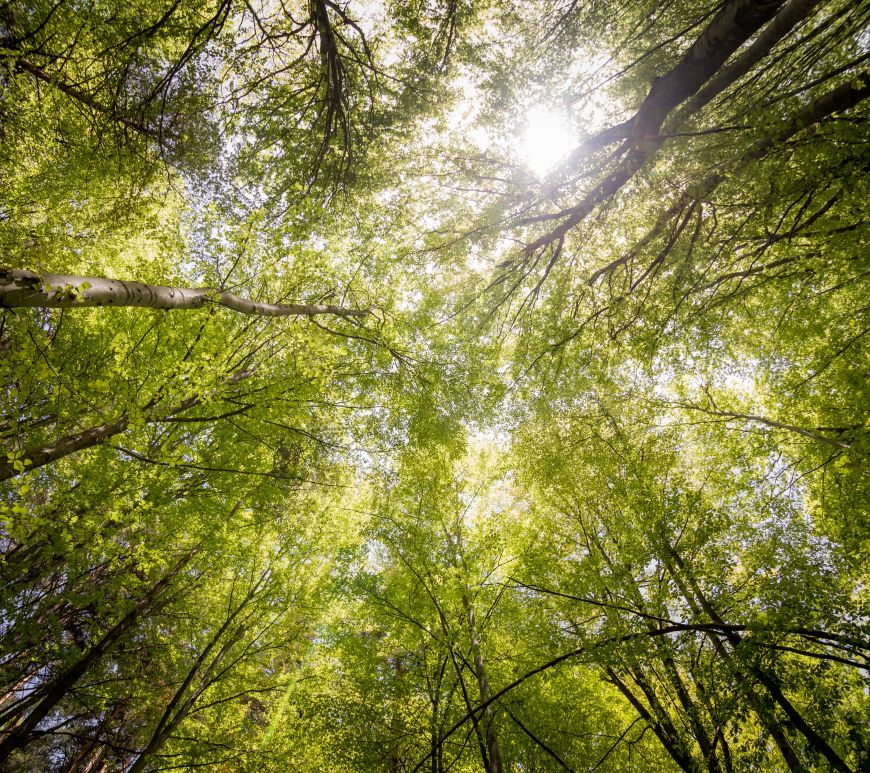
Keeping native oak trees alongside planted pines may help protect soil carbon. Our study suggests that the remains of bacteria, and especially fungi, help explain this benefit. Forests store carbon below ground as well as in trees. When natural forests are replaced with plantations, changes in tree species can affect how much carbon stays in the soil. Plants supply carbon through fallen leaves and roots. … Continue reading Keeping native trees in pine plantations may help protect soil carbon

How does Stellera chamaejasme recruit soil bacteria to fuel its expansion?

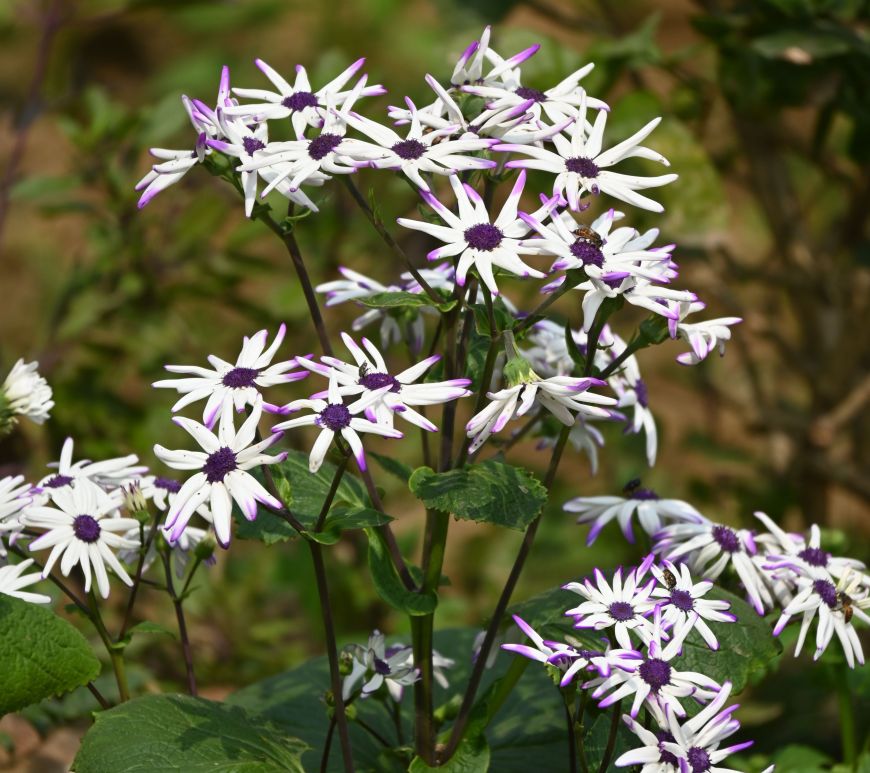
Under the dual pressures of climate change and overgrazing, poisonous weeds are spreading rapidly across grasslands, gradually displacing grasses and sedges that livestock prefer. While soil microbes are widely recognized as “hidden allies” that help plants grow, how underground microbial communities change during the rapid spread of poisonous weeds remains poorly known. We focused on Stellera chamaejasme, one of China’s most destructive poisonous weeds, and … Continue reading How does Stellera chamaejasme recruit soil bacteria to fuel its expansion?

Lijun Chen: Integrating variation in bacterial-fungal co-occurrence network with soil carbon dynamics

Shortlisted for the 2024 Southwood Prize Lijun Chen explores how bacterial-fungal interactions mediate soil organic carbon dynamics in the context of artificial forest ecosystems. About the research Overview Eucalyptus is one of the most widely planted tree species worldwide. It has been demostrated that long-term short-rotation practices of eucalyptus induced to declining of soil organic carbon content and ecosystem services capacity. Exploring the patterns of … Continue reading Lijun Chen: Integrating variation in bacterial-fungal co-occurrence network with soil carbon dynamics

Do we have a clue about the role of wildlife in antimicrobial resistance dynamics?

In this post, Marion Vittecoq discusses her Review paper published today in Journal of Applied Ecology ‘Antimicrobial resistance in wildlife‘ A crucial issue Antimicrobial resistance (AMR) spread is of major concern for human health and associated with growing economical issues. While it is increasingly hypothesized that wildlife could play an important role in antimicrobial-resistant bacteria (AMRB) dynamics, empirical data remain scarce at the moment. Nevertheless … Continue reading Do we have a clue about the role of wildlife in antimicrobial resistance dynamics?