Black History Month 2024: Lekeah Durden

For Black History Month 2024, the British Ecological Society (BES) journals are celebrating the work of Black ecologists around the world and sharing their stories. In this blog, Lekeah Durden shares her story and journey in academia. Contact: Affiliation: University of Georgia-Athens, USA LinkedIn: https://www.linkedin.com/in/lekeahdurden Ecological Interests How did you get into ecology? My passion for exploring the world and its diverse cultures has always … Continue reading Black History Month 2024: Lekeah Durden

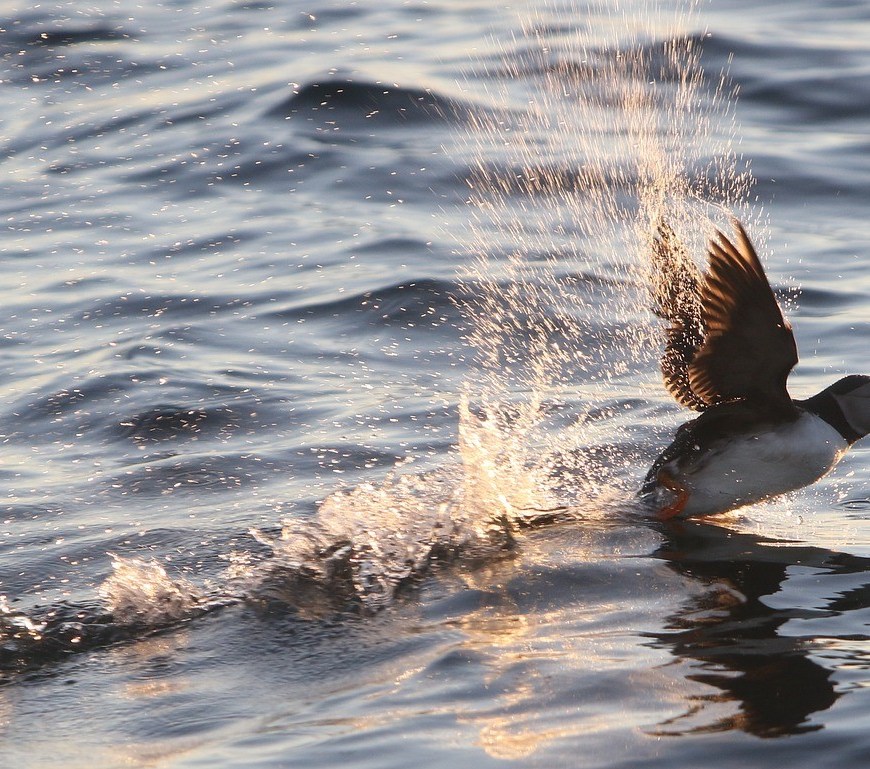
Beneath the Waves: Estimating Marine Bird Abundances Outside the Breeding Season

Ruth Dunn shares insights on her latest study where, alongside her colleagues, she investigated the number of marine birds, outside of their breeding seasons, that may be undetectable when underwater during at-sea surveys. Investing in renewable energy developments, as opposed to burning fossil fuels, has been hailed as a route through which humans might be able to counteract anthropogenic-induced climate change. Within western Europe, it … Continue reading Beneath the Waves: Estimating Marine Bird Abundances Outside the Breeding Season

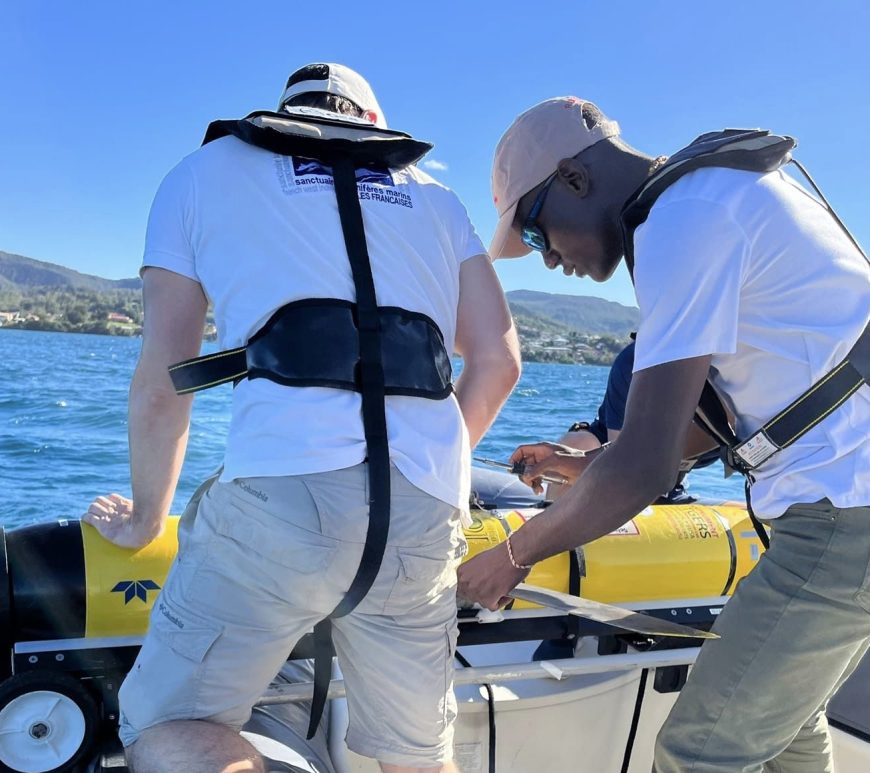
From the Caribbean to the World: Reclaiming My Path as a Black Marine Ecologist

For Black History Month 2024, the British Ecological Society (BES) journals are celebrating the work of Black ecologists from around the world and sharing their stories. In this blog, Lionel Yamb shares his story. Ecological interests: Links: https://x.com/lionelyamb https://www.linkedin.com/in/lionel-yamb-b66024103/ https://www.facebook.com/lionel.yamb?locale=fr_FR https://www.instagram.com/lionelyamb/ How did you get into ecology? My journey into ecology began with a deep curiosity about the natural world around me. Growing up in Cameroun, … Continue reading From the Caribbean to the World: Reclaiming My Path as a Black Marine Ecologist

Centre for Environment and Sustainability: Meet Walter Wehrmeyer

In this new series, The Applied Ecologist is amplifying the staff and student voices from the University of Surrey’s Centre for Environment and Sustainability to showcase their diverse, interdisciplinary body of work and to help inspire the next generation. In this final post of the series, we share below Walter’s speech as he transitioned to Emeritus Professor this summer. Sustainability, CES and me: This is … Continue reading Centre for Environment and Sustainability: Meet Walter Wehrmeyer

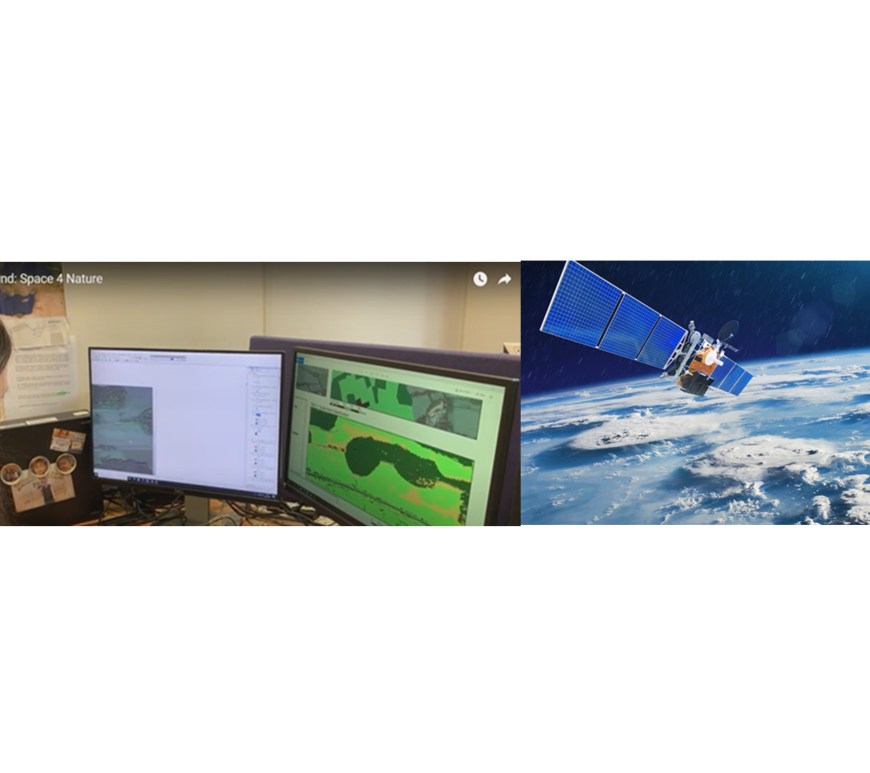
Centre for Environment and Sustainability: Meet Ana Andries

In this new series, The Applied Ecologist is amplifying the staff and student voices from the University of Surrey’s Centre for Environment and Sustainability to showcase their diverse, interdisciplinary body of work and to help inspire the next generation.In this post, Ana talks about the Space4Nature Research project. Meet Ana Andries I am currently a Lecturer in GIS, Remote Sensing, and Environmental Assessment at the … Continue reading Centre for Environment and Sustainability: Meet Ana Andries

Close to the edge: Spatial variation in plant diversity, biomass and floral resources in conventional and agri-environment cereal fields

Laura Sutcliffe discusses her latest study where, alongside colleagues, she investigated the spatial distribution of vascular plant species richness and their contribution to the food web via biomass and flower units in conventional and agri-environment cereal fields. The study: Arable plants Arable plants are usually simply referred to as weeds, reflecting their low status in society and also in biodiversity research. Whilst there is a … Continue reading Close to the edge: Spatial variation in plant diversity, biomass and floral resources in conventional and agri-environment cereal fields

Integrated policies could help solar farms fulfil their climate and ecological potentials

In their latest Policy Direction, authors Fabio Carvalho, Hollie Blaydes and Alona Armstrong highlight key policy implications in relation to solar farm development and operation, and their usage in both addressing climate change and providing ecosystem benefits. Back in April last year, we wrote about the need to gather standardised evidence on the impacts of solar farms on hosting ecosystems to inform industry best practice … Continue reading Integrated policies could help solar farms fulfil their climate and ecological potentials

Centre for Environment and Sustainability: Meet Zoe Harris

In this new series, The Applied Ecologist is amplifying the staff and student voices from the University of Surrey’s Centre for Environment and Sustainability to showcase their diverse, interdisciplinary body of work and to help inspire the next generation. In this post, Zoe talks about the Taeda Tech Project. Meet Zoe Harris I am a Senior Lecture at the Centre and the University of Surrey. … Continue reading Centre for Environment and Sustainability: Meet Zoe Harris

Salvage logging and subsequent post-windthrow management diminish forest bird communities for two decades

In this blog post, Michał Walesiak shares how increased bird diversity in an area of unmanaged windthrow persisted over a 20-year span in Poland. Natural disturbances in forests, such as hurricanes, fires, bark beetle outbreaks, often evoke negative emotions in people. Many find it hard to believe that hurricanes, fires, bark beetles… may actually bring some benefits to nature, such as increase in biodiversity! This … Continue reading Salvage logging and subsequent post-windthrow management diminish forest bird communities for two decades

Supportive effect of uncut refuge strips on grassland arthropods may depend on the amount and width of strips

In this blog post, author Kitti Révész and her team share their latest study exploring the effects of uncut refuge strips on the abundance and diversity of arthropods. What is the best management practice of hay meadows from an arthropod conservation point of view? Grassland arthropods are declining as a consequence of land-use change and intensive management. There are efforts to spread extensive management through … Continue reading Supportive effect of uncut refuge strips on grassland arthropods may depend on the amount and width of strips