Don’t forget the little guys: improving monitoring efforts for African small carnivores

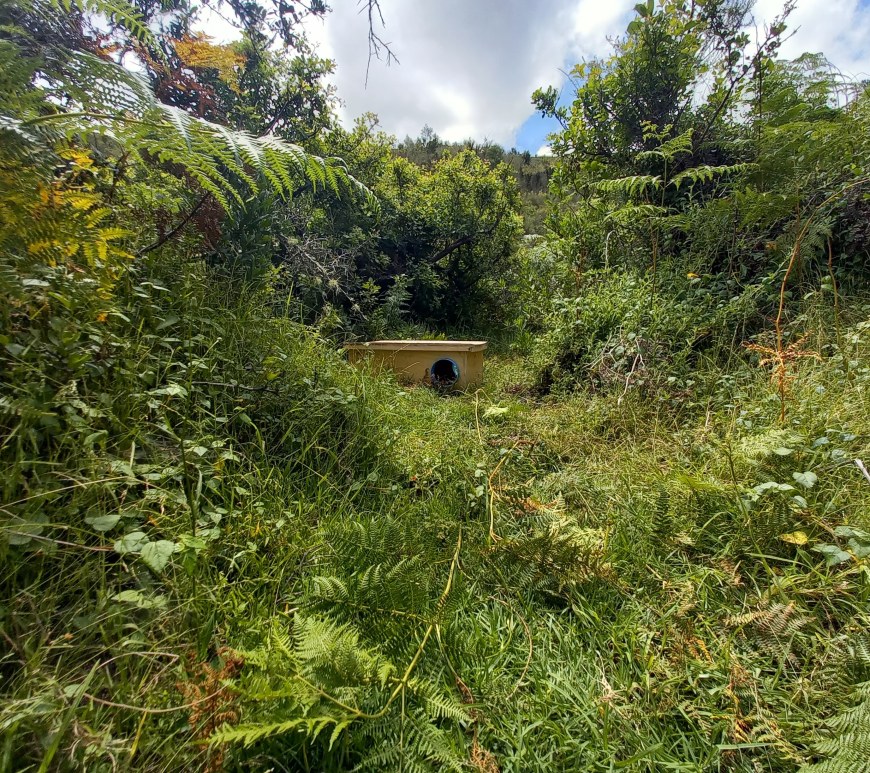
Small carnivores are ecologically important species and key indicators of environmental change. However, for many of these species, we lack robust information on their conservation status, geographic distribution, and tolerance to anthropogenic threats. In this post, researchers from Nelson Mandela University share their experience with an emerging camera trapping method aimed at improving monitoring efforts for African small carnivores. For a wide array of species, … Continue reading Don’t forget the little guys: improving monitoring efforts for African small carnivores

What determines the rarity of large carnivores in the Omo Valley of Ethiopia?

Asfaw et al. investigate the presence of large carnivores in the Omo Valley of Ethiopia and share their experience. Populations of large carnivores have been declining in Ethiopia for many years due to a range of factors including reduced prey populations, pressure from neighbouring human settlements, habitat fragmentation and loss, and low political interest in conservation. Yet large carnivores, including the African wild dog, cheetah, … Continue reading What determines the rarity of large carnivores in the Omo Valley of Ethiopia?

The story behind the research: “Combining detection dogs and camera traps improves cheetah monitoring”

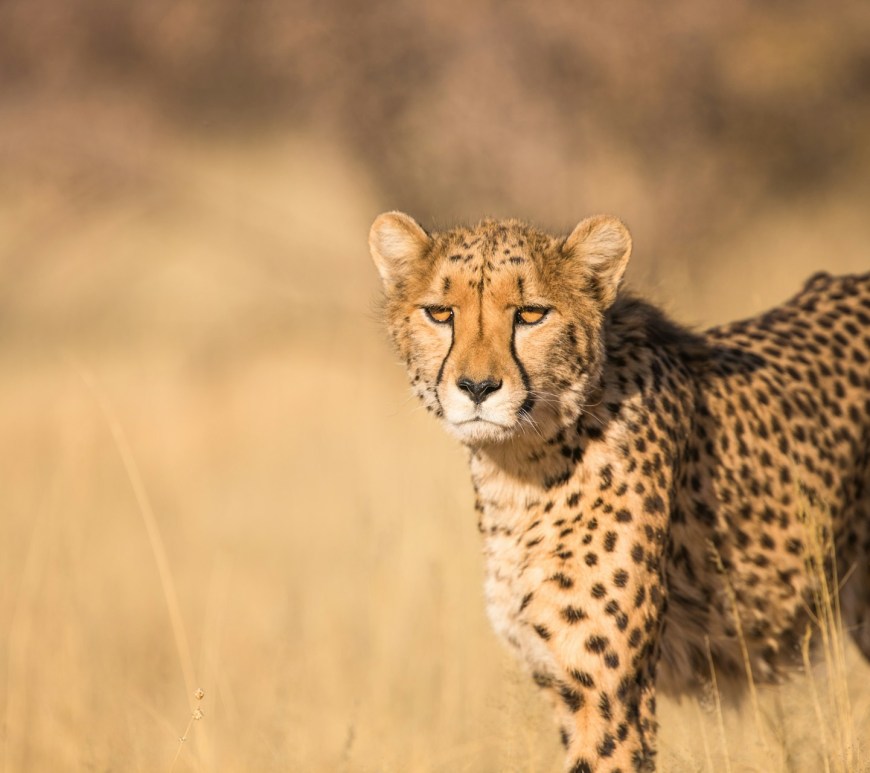
Tim Hofmann and Stijn Verschueren from the Cheetah Conservation Fund in Otjiwarongo, Namibia investigate how to effectively monitor cheetah populations. Cheetahs are Africa’s most endangered big cats, with fewer than 7,100 individuals left in the wild, scattered across less than 9% of their historical range. These estimates are largely based on expert opinions and few well-studied populations. In many parts of the cheetah’s range, we … Continue reading The story behind the research: “Combining detection dogs and camera traps improves cheetah monitoring”

Grizzly bears and wolves avoid busy hiking trails more than previously thought

Peter Thompson explains how, alongside colleagues, the spatial distribution and interactions of grizzly bears (Ursus arctos), grey wolves (Canis lupus), and humans within the central Canadian Rocky Mountains were monitored and assessed in their latest study. Human recreation and wildlife The Bow River Valley in Alberta, Canada is a global hotspot for outdoor recreation, attracting millions of visitors annually to enjoy the spectacular landscapes of … Continue reading Grizzly bears and wolves avoid busy hiking trails more than previously thought

Combining local ecological knowledge with camera traps: African mammal life-history traits and their occurrence in anthropogenic landscapes

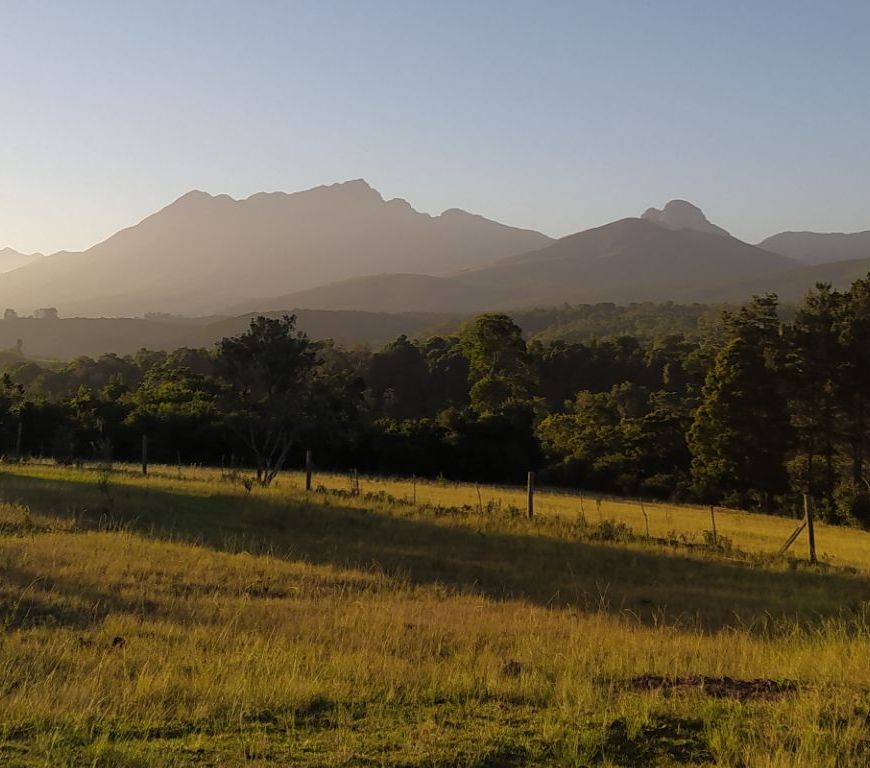
Alice Bernard and co-authors describe how they have jointly used local ecological knowledge and camera trap data. With hindsight, they discuss how involving local people in research projects can enhance conservation efforts in the Garden Route Biosphere Reserve (GRBR), South Africa. The Garden Route National Park (GRNP), in the eponym Biosphere Reserve, is one of the only truly unfenced National Parks in South Africa. The … Continue reading Combining local ecological knowledge with camera traps: African mammal life-history traits and their occurrence in anthropogenic landscapes

Let’s get to know mesocarnivores: Estimating abundance with camera traps

Jamie McKaughan describes his team’s latest research testing the use of distance sampling with camera traps as a way to establish meaningful density estimates of mesocarnivores in South Africa. Frederick Forsyth’s novel, ‘The Day of the Jackal’, is a gripping political thriller that tells the story of a highly skilled assassin tasked with killing the French President. But have you ever wondered why the author … Continue reading Let’s get to know mesocarnivores: Estimating abundance with camera traps

MammalWeb: The potential of citizen science for large-scale mammal monitoring

Feature photo: A camera trap photo © MammalWeb (CC BY-SA 2.0) In their latest article, Pen-Yuan Hsing et al. describe the processes involved in launching and running MammalWeb – a successful camera trapping project that has produced over 440,00 classified image sequences and videos over the past decade. It is unlikely to come as a shock to readers of the Applied Ecologist that the world … Continue reading MammalWeb: The potential of citizen science for large-scale mammal monitoring

Counting the ghosts of the mountains: sampling snow leopard populations at large spatial scales

Effective management of large carnivores requires robust monitoring at all scales. In their latest research, Manvi Sharma and colleagues describe the first systematic effort at estimating snow leopard populations at a large regional scale. The high-altitude mountains of the Himalaya are important habitats for unique flora and fauna adapted to these regions. The most charming of these species that has taken home here is the … Continue reading Counting the ghosts of the mountains: sampling snow leopard populations at large spatial scales

ESE Editor’s Choice 1:2 – An ethical framework for using camera traps in the field

How should you react if you unintentionally capture illegal activity in photos from a wildlife camera trap? Associate Editor Dave Augeri introduces our latest Editor’s Choice article by Sharma et al. which addresses the ethics of using camera traps in wildlife research. Ethical principles are so fundamental to our work in conservation science that we often take it for granted. However, while we may naturally … Continue reading ESE Editor’s Choice 1:2 – An ethical framework for using camera traps in the field

Editor’s Choice 57:11 – An integrated approach using passive acoustic monitors and camera traps to measure hunting activity and its impacts on mammalian populations

Associate Editor, Sharif A. Mukul, introduces the November Editor’s Choice paper, which demonstrates that acoustic monitoring technologies detect far more instances of hunting than camera traps. Unsustainable hunting is one of the major challenges to wildlife and healthy forests worldwide. While subsistence hunting is widespread in many parts of the tropics, over-hunting can have a detrimental effect on wildlife populations, particularly mammals. In recent years, … Continue reading Editor’s Choice 57:11 – An integrated approach using passive acoustic monitors and camera traps to measure hunting activity and its impacts on mammalian populations