La ciencia comunitaria complementa la evaluación del riesgo de extinción

Comprender la probabilidad de extinción es fundamental para una gestión y conservación eficaces. Si bien dicha evaluación depende principalmente de un monitoreo riguroso y estandarizado (con los mejores datos disponibles), una investigación reciente de Acevedo-Charry et al (2025) presenta una forma complementaria en la que los datos recopilados por voluntarios pueden ayudar a estimar la probabilidad de extinción. Esta entrada de blog también está disponible … Continue reading La ciencia comunitaria complementa la evaluación del riesgo de extinción

Community science complements assessment of extinction risk

Understanding the probability of extinction is critical for effective management and conservation. While such assessment mainly depends on rigorous and standardized monitoring (the best of the best data), recent research from Acevedo-Charry et al (2025) features a complementary way that data gathered from volunteers can help estimate probability of extinction. A version of this post is also available in Spanish here. How do we assess … Continue reading Community science complements assessment of extinction risk

Amidst the resplendence of Munnar’s sky islands

Madhumay Mallik from the Wildlife Trust of India recounts their experience researching grass frogs, and details what is being done to ensure that these and other frog species continue to thrive despite increasing challenges. Far away on the mountain peak were cotton clouds in restless sleep, tossing and turning. Before me, a lush pasture of smooth grass and wild flowers, blanketing a steep terrain and … Continue reading Amidst the resplendence of Munnar’s sky islands

Quarries and garbage dumps inside the Galapagos National Park: How can we restore them?

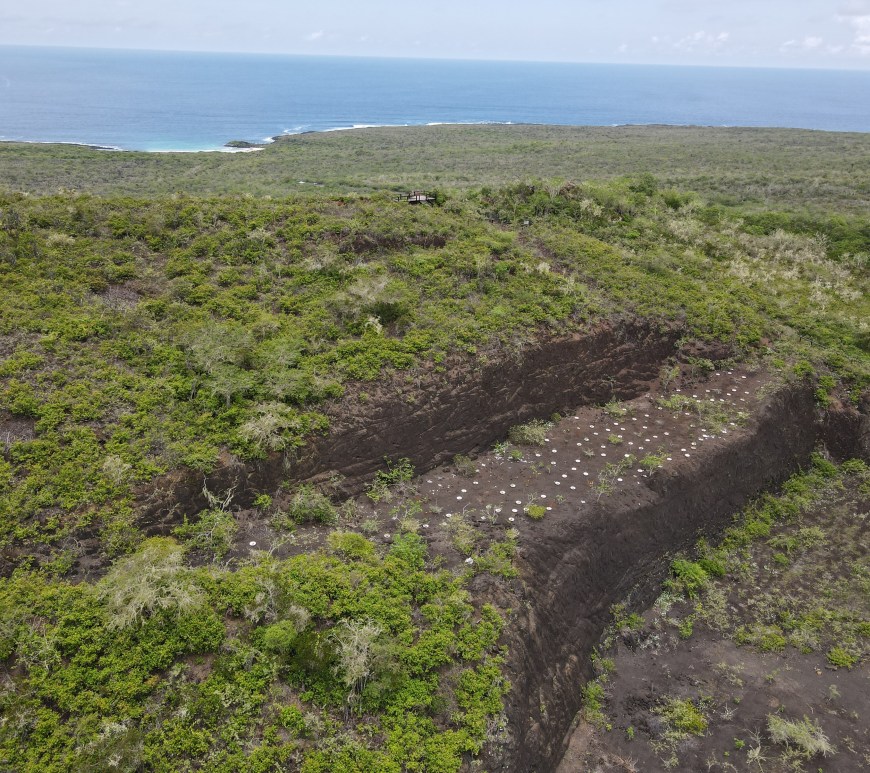
Anna Calle-Loor, co-author of a new publication, shares her team’s experience assessing the survival of plant species in the Galapagos to inform decision-making amongst stakeholders. When you think of the Galapagos Islands, what comes to mind? Perhaps volcanic landscapes, giant tortoises and other unique wildlife, scenes that could easily belong in a nature documentary. But behind this iconic scenery lies a less picturesque reality: the … Continue reading Quarries and garbage dumps inside the Galapagos National Park: How can we restore them?

Project to restore and expand Scotland’s ancient forests provides a boost to moth biodiversity

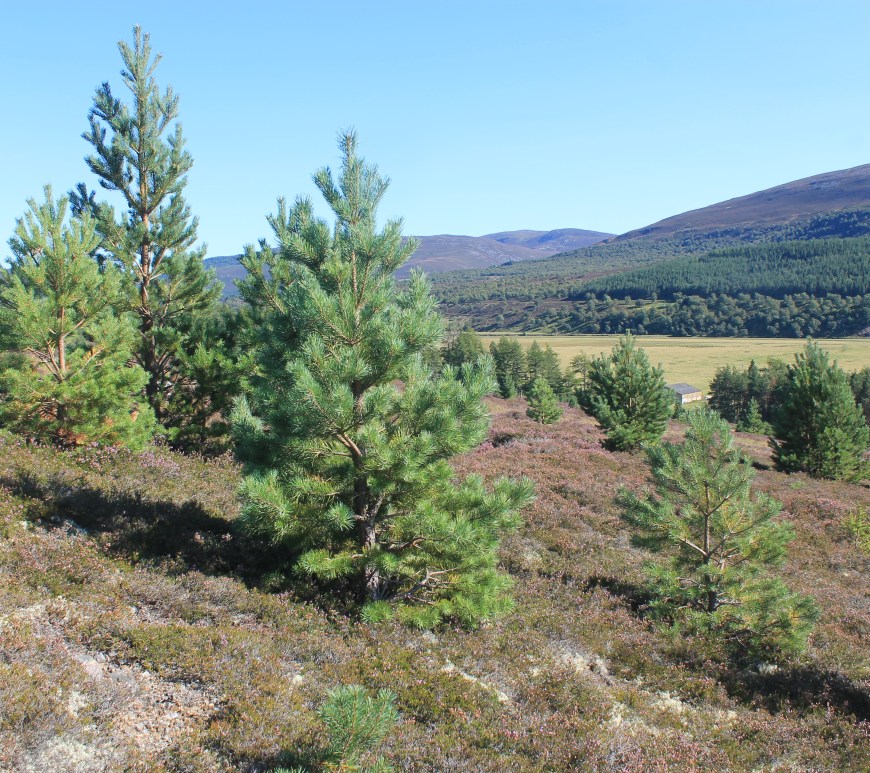
Patrick Cook and his team share their experience investigating how moths respond to a landscape-scale woodland expansion project at Mar Lodge Estate in the Scottish Highlands. Background Upland landscapes in Scotland have a low cover of native woodland yet provides an excellent opportunity to expand woodland cover for biodiversity. For instance, native pinewood now covers less than 18,000 hectares in 84 small areas and an … Continue reading Project to restore and expand Scotland’s ancient forests provides a boost to moth biodiversity

Don’t forget the little guys: improving monitoring efforts for African small carnivores

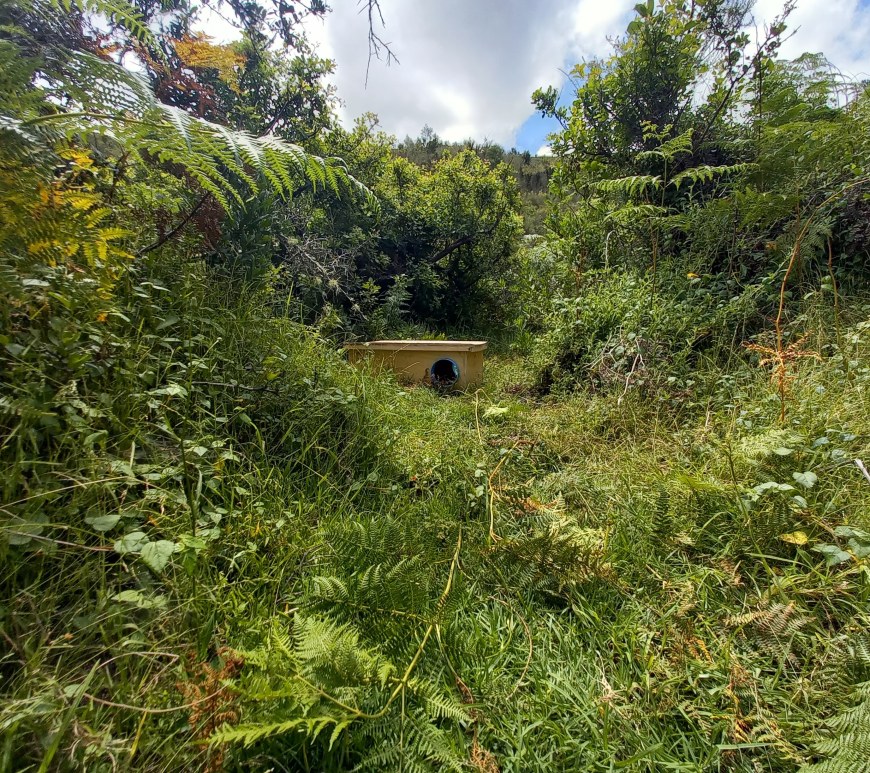
Small carnivores are ecologically important species and key indicators of environmental change. However, for many of these species, we lack robust information on their conservation status, geographic distribution, and tolerance to anthropogenic threats. In this post, researchers from Nelson Mandela University share their experience with an emerging camera trapping method aimed at improving monitoring efforts for African small carnivores. For a wide array of species, … Continue reading Don’t forget the little guys: improving monitoring efforts for African small carnivores

Research and Elimination of Archipelago Racoon Dogs

Mikko Toivola and co-authors share a summary about their latest study which focuses on the movements of an invasive mesopredator within the Archipelago areas of Finland. The raccoon dog has been known to occur in the archipelago areas of Finland for a long time. However, the role of the species as part of the archipelago ecosystem is largely unknown. How many individuals live in a … Continue reading Research and Elimination of Archipelago Racoon Dogs

The impact of downhill skiing on birds

Mattia Brambilla & Francesca Roseo share their experience researching the impact of skiing on biodiversity. Up and down mountains, along with their winged inhabitants For many years, both of us have been passionate skiers. We engaged in ski competitions in our youth and deeply enjoyed downhill skiing, along with the other various outdoor activities in the mountains. But then something changed along the way. Ski … Continue reading The impact of downhill skiing on birds

Georgina Mace Prize 2024: Winner Announcement

Ecological Solutions and Evidence is thrilled to announce the winner of our annual Georgina Mace Prize! This award is given to an outstanding article published in the journal by an author at the start of their career. The winner was selected by our Senior Editors who had to choose from our list of highly impressive short-listed authors. Winner: Kristy Ferraro Research: Missing carcasses, lost nutrients: … Continue reading Georgina Mace Prize 2024: Winner Announcement

Solutions and Practical Implications with Ecological Solutions and Evidence

Ecological Solutions and Evidence publishes articles directly linked to species management, biodiversity, ecosystems, and practical solutions to ecological problems. Each article highlights a problem and is supported by key findings and observations that contribute towards solutions. Last summer, the journal introduced the requirement that all authors must outline a ‘solution’ or ‘practical implication’ at the end of their abstract, clearly indicating what key management takeaways … Continue reading Solutions and Practical Implications with Ecological Solutions and Evidence