Impacts of proactive health management on cattle and horse diets and dung biodiversity in Danish rewilding areas

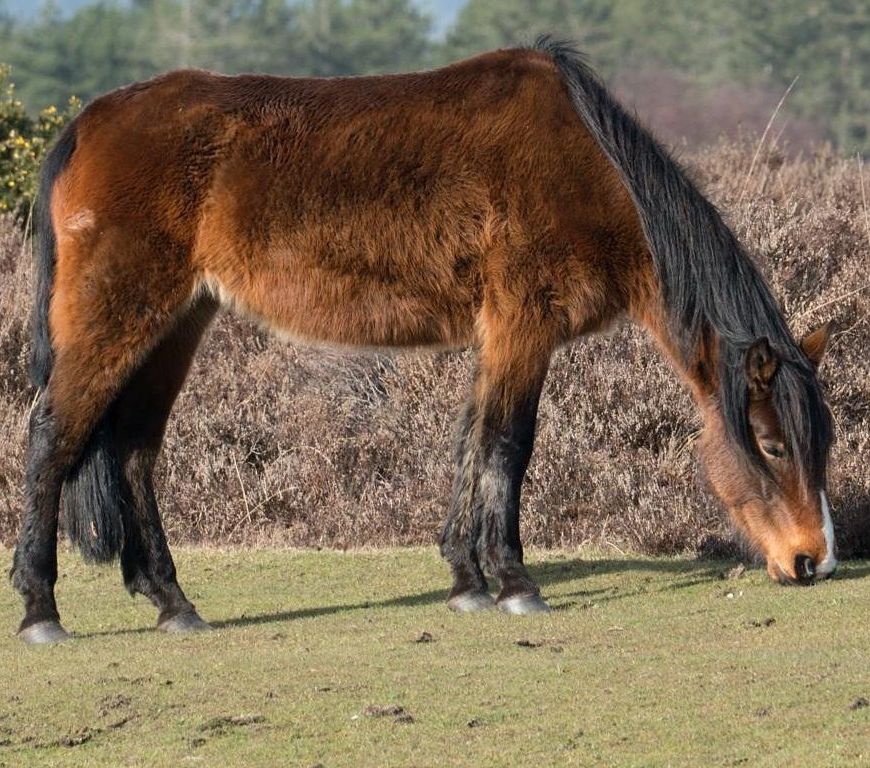
Emil S. Thomassen explains the recent diet study of rewilded cattle and horses, showing functional differences between the two species and reveals the impacts of management actions on this functionality as described in their latest research. The use of DNA metabarcoding for herbivorous diet analysis is a promising tool, yielding high-resolution data on plant consumption. In a time, where nature restoration and conservation are of … Continue reading Impacts of proactive health management on cattle and horse diets and dung biodiversity in Danish rewilding areas

Biodiversity in landscape mosaics: Local land use, landscape and dung beetle assemblages

Raquel Carvalho and Ellen Andresen explain new research that evaluates the impact of land use, landscape structure, and their interactions, on dung beetles, a group of insects that provides many ecosystem services. Carvalho et al demonstrated that both factors act together to shape biodiversity patterns, and that the effect of landscape structure often depends on the specific land use studied. The problem Understanding the impact … Continue reading Biodiversity in landscape mosaics: Local land use, landscape and dung beetle assemblages

From the ground up: Understanding coffee agroforestry systems

Sarah Archibald describes her team’s latest research seeking to better understand emergent herbaceous communities in organic coffee agroforestry systems by identifying their taxonomic and functional diversity as well as their management by interviewing farmers in Costa Rica. Coffee agroecosystems range in management and diversity, from monocultures with chemical inputs to biologically complex multi-strata agroforestry systems. With the demand for organic coffee expected to increase by … Continue reading From the ground up: Understanding coffee agroforestry systems

(A) Hodgson’s frogmouth, (B) Gould’s shortwing, (C) Fire-tailed myzornis (Phub Dorji)

The fragile Himalayas and the balancing act!

Ugyen Penjor discusses their latest research, conducted with colleagues Sherub Sherub and Rinzin Jamtsho, which explores the effects of land-use change on the functional and phylogenetic diversity of Eastern Himalayan bird communities. Envision the Himalayas – snow-clad mountains, jagged peaks, ruddy-cheeked people, and of course the ‘Abominable Snowman’ or The Yeti. But what is more exciting about the Himalayas is the biodiversity. The Himalayas can … Continue reading The fragile Himalayas and the balancing act!

Semi-natural grassland strips promote agricultural biodiversity depending on species characteristics

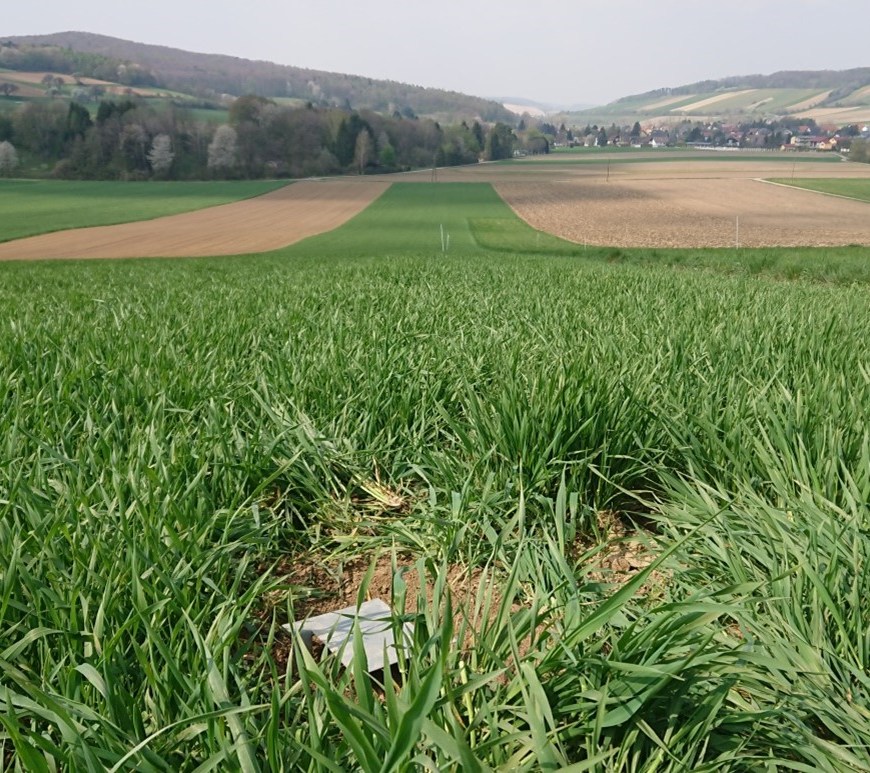
New research by Maas and colleagues shows how the interplay between species-specific traits, functions, and services can inform more targeted, sustainable management of agricultural biodiversity. Agricultural biodiversity is declining worldwide, and its conservation does not work through one-size-fits-all solutions. Species respond differently to agricultural developments and new management measures, depending on their individual characteristics – which has major implications for the management of species-specific functions … Continue reading Semi-natural grassland strips promote agricultural biodiversity depending on species characteristics

Land use change and the interplay between functional and phylogenetic diversity in tropical forest birds

Philip Chapman comments on recent article, Contrasting impacts of land-use change on phylogenetic and functional diversity of tropical forest birds. It is increasingly recognised that biodiversity conservation needs to look beyond the goal of preserving species richness, to maintaining healthy functioning ecosystems and their evolutionary resilience in the face of environmental change. Species vary in evolutionary distinctness and the uniqueness of traits contributing to key ecological … Continue reading Land use change and the interplay between functional and phylogenetic diversity in tropical forest birds

Gone with the wind: canopies of next generation tropical forests will function differently based on today’s understory recruitment

In this post Jarrah Wills discusses his recent paper ‘Next-generation tropical forests: reforestation type affects recruitment of species and functional diversity in a human-dominated landscape‘ Diverse understory development within forest plantations can provide conservation value in highly modified tropical landscapes, but how many species should be used to establish a framework to encourage recruitment: one species, two species, more? And how does the quality of … Continue reading Gone with the wind: canopies of next generation tropical forests will function differently based on today’s understory recruitment

Avian pest control in vineyards

In this post Michelle Harrison and Cristina Banks-Leite discuss a recent paper by Luc Barbaro and colleagues ‘Avian pest control in vineyards is driven by interactions between bird functional diversity and landscape heterogeneity‘. The global wine industry currently contributes roughly US$303 billion to the world’s economy (Plant and Food Research, 2013). Wine is a key export for many European countries such as Italy, France and … Continue reading Avian pest control in vineyards

Measuring the success of reforestation for restoring biodiversity and ecosystem functioning

This blog post discusses a recent paper by Mia Derhé, ‘Measuring the success of reforestation for restoring biodiversity and ecosystem functioning‘. Restoring rainforests: Recovering both biodiversity and ecosystem functioning Rapid anthropogenic forest change means that many countries are now running out of large areas of primary forest and so the future of tropical forest biodiversity depends more than ever on the effective management and restoration … Continue reading Measuring the success of reforestation for restoring biodiversity and ecosystem functioning

Comparing the responses of functional redundancy and functional diversity indices to stress

In this post Daniel Bruno discusses his paper ‘Impacts of environmental filters on functional redundancy in riparian vegetation’ The world’s ecosystems are experiencing an unprecedented increase in the amount and variety of impacts (global change) which is leading to an unprecedented biodiversity loss and modification of ecosystem functioning (e.g. changes in primary production, pollination, nutrient cycling and organic matter decomposition). Accordingly, there is a long-standing … Continue reading Comparing the responses of functional redundancy and functional diversity indices to stress