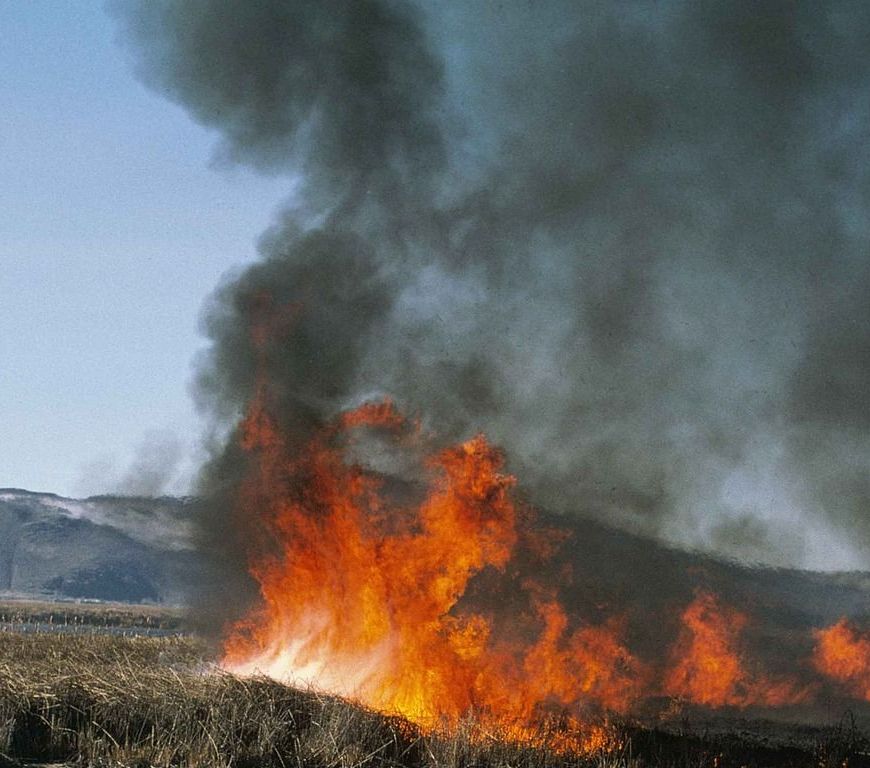
Bringing back birds to Mediterranean heathlands one cut and one burn at a time

For centuries, the heathlands of Tuscany in north-central Italy were used to graze livestock and to harvest heather for making brooms (the old witch-style ones) and other wares. These traditional land-use practices maintained perfect habitat for birds like the woodlark and tawny pipit – specialists of open and shrubby habitats. But here, and throughout Europe, birds that depend on open habitats like heathlands and grasslands … Continue reading Bringing back birds to Mediterranean heathlands one cut and one burn at a time

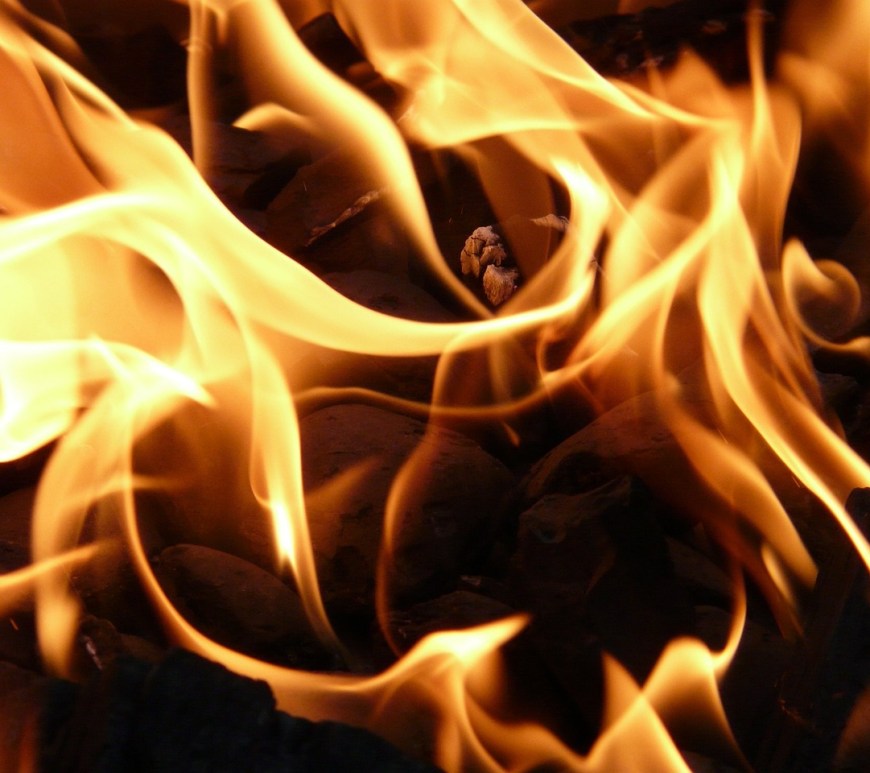
Resolving a heated debate: How useful is prescribed burning for lowland heaths?

Prescribed burning is a controversial management tool. Here, Barbara Smith discusses new research she and colleagues conducted into the impact of burning on lowland heaths at three trophic levels over a 20 year period. Its findings provide evidence for ecologists, land managers and policy makers to support decision making in protected area management. Background Lowland heathlands, with their unique assemblage of species, were created by … Continue reading Resolving a heated debate: How useful is prescribed burning for lowland heaths?

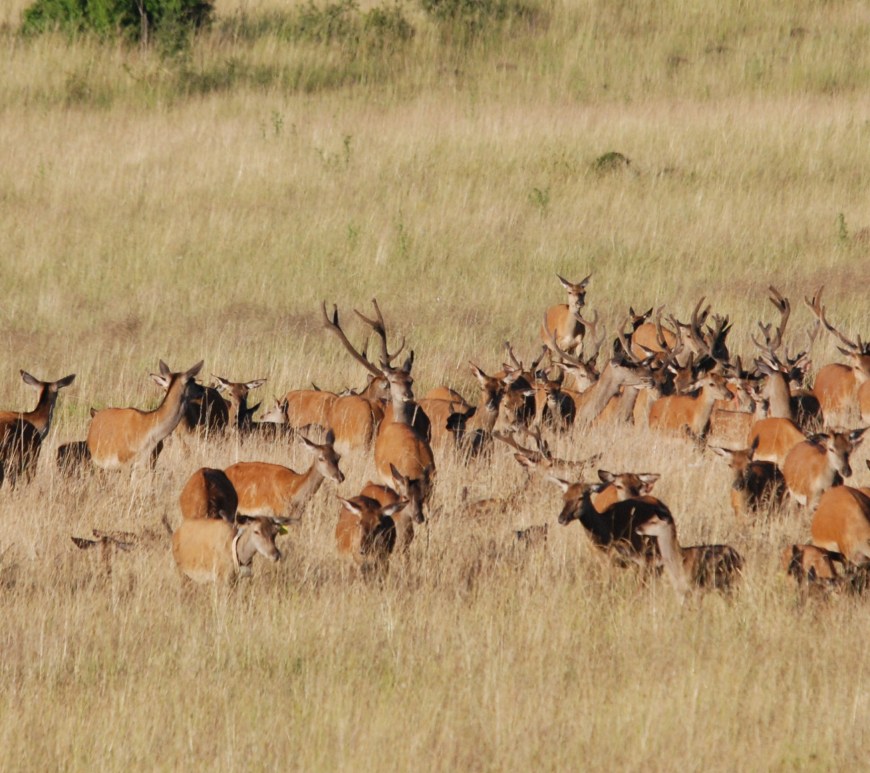
Editor’s Choice 56:6 -Wild and free: red deer grazing for conservation

Issue 56:6’s Editor’s Choice article demonstrates how a ‘hands-off’ approach and grazing by wild ungulates can be just as effective as livestock when it comes to managing grassland biomass – given the specific contexts are considered. Annabel Smith and Jana Eccard share highlights from the research by Friederike Riesch and colleagues, Grazing by wild red deer: Management options for the conservation of semi‐natural open habitats. … Continue reading Editor’s Choice 56:6 -Wild and free: red deer grazing for conservation