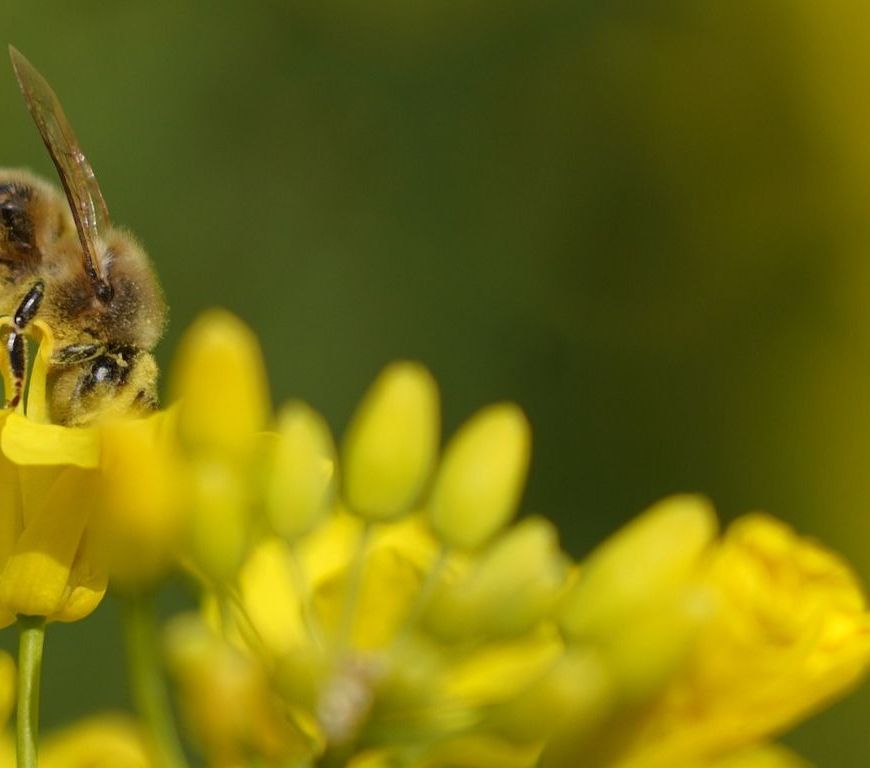
Unravelling the seasonal dance: How flowering crops impact wild pollinators

Laura Riggi talks us through the latest research, conducted with colleagues, which confirms that mass-flowering crop cultivation alone is unlikely to be sufficient for maintaining pollinators. However, as part of carefully designed diverse crop rotations or mixtures combined with the preservation of permanent non-crop habitats, it might provide valuable supplementary food resources for pollinators in temperate agroecosystems, particularly later in the season when alternative flower … Continue reading Unravelling the seasonal dance: How flowering crops impact wild pollinators

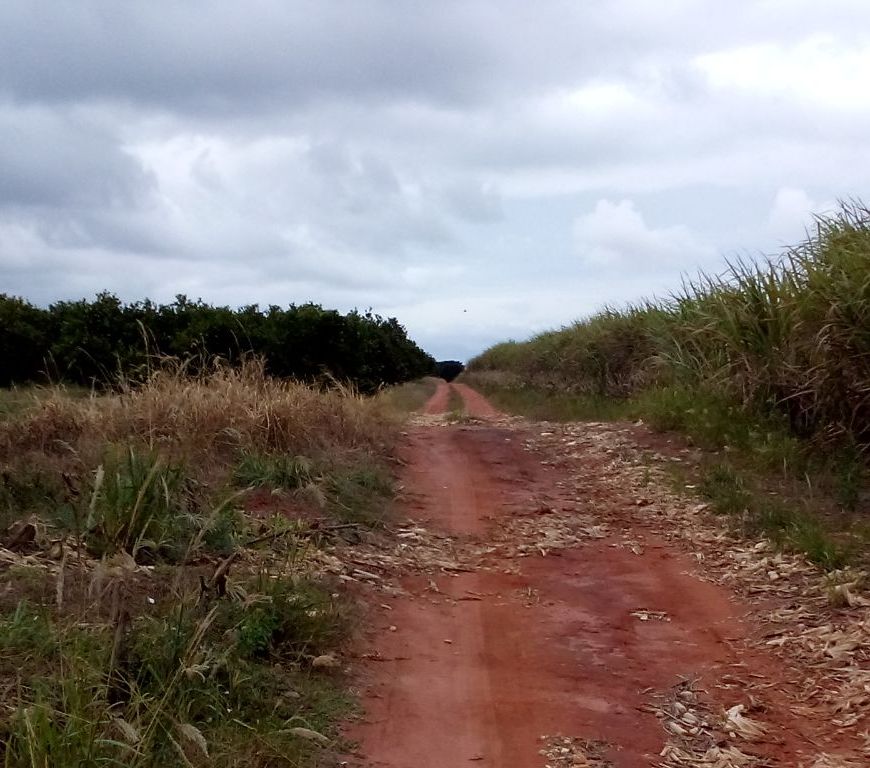
Landscape heterogeneity as a management tool to offset negative effects of habitat loss in agroecosystems

Marcella do Carmo Pônzio and Nielson Pasqualotto summarise their latest research in which they and colleagues investigated the effects of landscape heterogeneity and native vegetation cover on richness and composition of native and invasive mammals, across 55 landscapes in the Brazilian Savanna, Cerrado. A global process and a knowledge gap Intensive agriculture has significantly transformed landscapes by replacing native habitats and diversified small-scale farming into … Continue reading Landscape heterogeneity as a management tool to offset negative effects of habitat loss in agroecosystems

A win-win for wine

Inter-row vegetation in vineyards can help tackle soil erosion without sacrificing the quality of grapes. Associate Editor, Peter Manning (Senckenberg Biodiversity and Climate Centre) discusses the recent Review by Winter et al., Effects of vegetation management intensity on biodiversity and ecosystem services in vineyards: A meta‐analysis When we think of intensive agriculture most of us conjure images of factory farmed chickens or wheat fields spayed with litres … Continue reading A win-win for wine