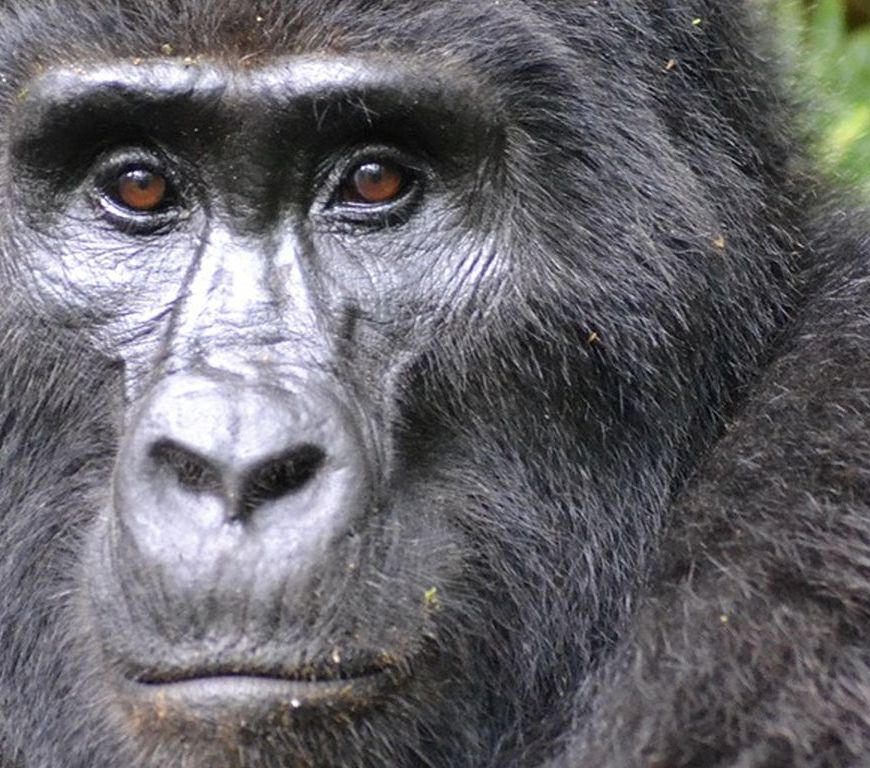
Emerging gastric parasite risks in mountain gorillas: What we found and why it matters

Mountain gorillas are often celebrated as a conservation success story. Their numbers have increased thanks to long-term protection from conservation organisations, park authorities and local communities. However, the remaining two populations live in small, environmentally constrained habitats and recent veterinary records have documented cases of severe gastritis associated with strongylid nematodes in Virunga Massif. This raised an important question for us: are there changes in … Continue reading Emerging gastric parasite risks in mountain gorillas: What we found and why it matters

When stressed by both pesticides and parasites, honey bees do better than expected

In their latest research, Bird and colleagues perform a meta‐analysis to gain a clearer view of the combined effects of parasites and pesticides on honey bee health. Honey bees pollinate about a third of all crops. Without them, the production of everything from almonds to zucchinis would grind to halt, which makes it especially alarming that honey bees have being dying at increasing rates over … Continue reading When stressed by both pesticides and parasites, honey bees do better than expected

Is invasion success explained by enemy release?

The cover for Journal of Applied Ecology issue 57:06 shows a Cuban treefrog in Florida, USA. Discussing the research behind the image, Elizabeth Roznik explains how invasive species such as this can outcompete native frogs due to their large body sizes, fast growth rates, and tolerance of parasites.

Invasive species are among the leading threats to native wildlife. Understanding the mechanisms underlying invasions can help us manage invasive species and their impacts. Continue reading Is invasion success explained by enemy release?