Natural recruitment should be a key goal of tree planting projects

Anna Gee, a PhD student at Imperial College London, talks us through ways in which we can help to restore forests through natural recruitment in this standalone piece. How do we decide what trees to plant for forest restoration? The approach of many restoration projects is to find what is known as a reference forest, a forest that has not been disturbed much by humans, … Continue reading Natural recruitment should be a key goal of tree planting projects

Tree islands for tropical forest restoration: the outlook is rosy after 10 years

Source: Tree islands for tropical forest restoration: the outlook is rosy after 10 years Shared from Natural history of Ecological Restoration, Leighton Reid comments on his article, Local tropical forest restoration strategies affect tree recruitment more strongly than does landscape forest cover. The article was recently published as part of the Toward prediction in the restoration of biodiversity Special Feature in Journal of Applied Ecology. Planting tree … Continue reading Tree islands for tropical forest restoration: the outlook is rosy after 10 years

For the love of trees: the benefits of vegetation and paddock management for reptiles in grazing landscapes

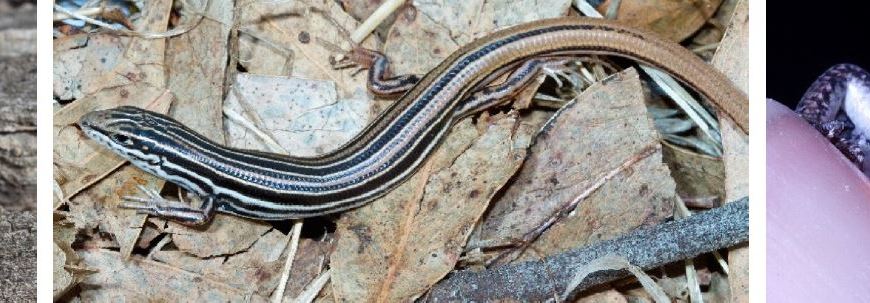
Following her recent paper in the Journal of Applied Ecology, ‘Remnant vegetation, plantings and fences are beneficial for reptiles in agricultural landscapes’, Stephanie Pulsford explores the balancing act of supporting both agriculture and biodiversity conservation. In a recent study of reptiles in grazing landscapes we demonstrated the importance of maintaining and promoting native vegetation within agricultural land for improved biodiversity conservation outcomes. We also showed that … Continue reading For the love of trees: the benefits of vegetation and paddock management for reptiles in grazing landscapes