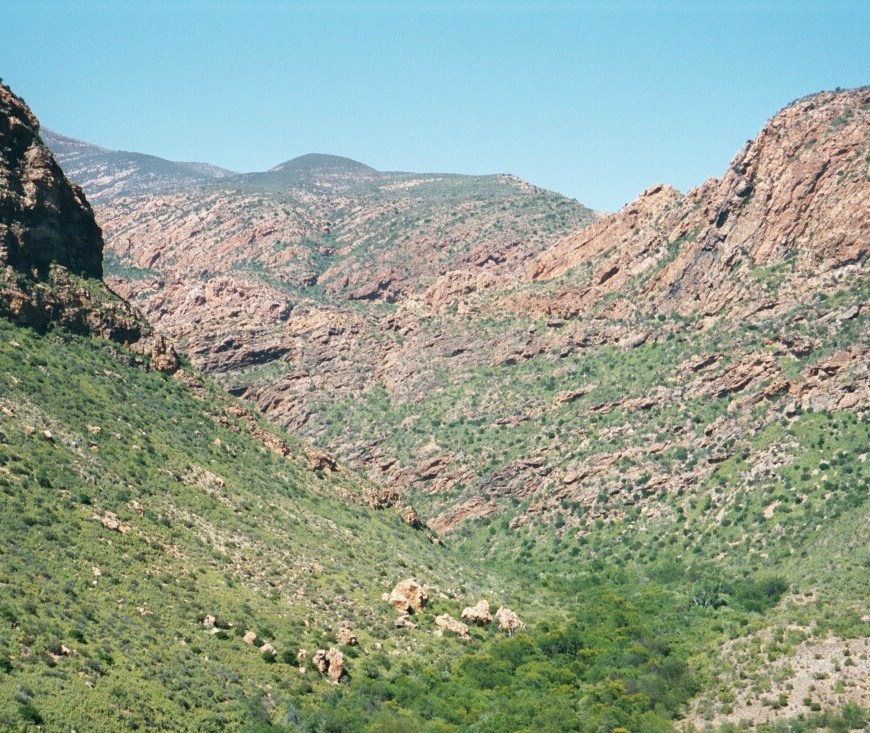
Wide-scale rangeland condition monitoring: Measurement of increased vegetation cover following stock removal and conservation management

Angus Retallack explains how, using remote sensing data over a 22-year observation period, vegetation recovery after the removal of livestock and the introduction of conservation-focused management can be assessed. Arid and semi-arid rangelands cover close to 50% of the Earth’s land surface and are relied upon by a diverse range of stakeholders including Indigenous people, pastoralists and environmental conservationists. Sustainable use and conservation of these … Continue reading Wide-scale rangeland condition monitoring: Measurement of increased vegetation cover following stock removal and conservation management

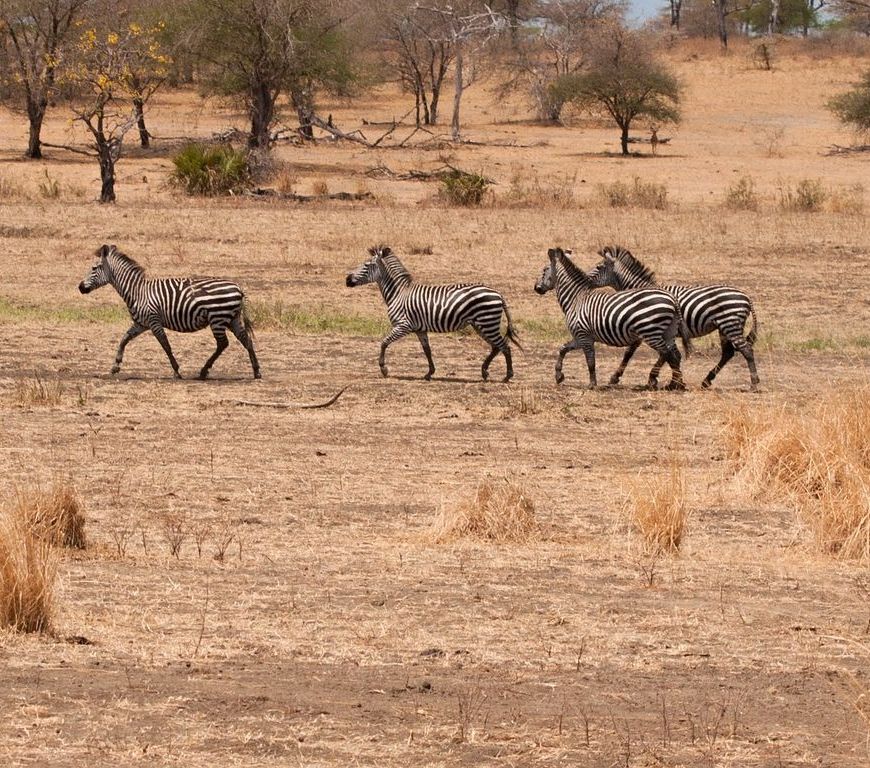
Climate challenges in savannas: How herbivore communities chart the course

Dr. Katja Irob summarises their latest study, conducted alongside colleagues, which analysed the impacts of climate change and rangeland management on degradation in Savanna ecosystems of southern Africa. Findings suggest that, in the face of climate uncertainty, farmers’ most effective strategy for securing their livelihoods and ecosystem stability is to integrate browsers and apply management of mixed herbivore communities.  Savannas as hot spots of environmental … Continue reading Climate challenges in savannas: How herbivore communities chart the course

Repatriating solitary felids: the case for seeking homes for conflict-borne leopards in southern Africa

Photo © Vasti Botha Translocating large carnivores to reduce human-wildlife conflict have historically failed, but recent improvements in satellite technology have enabled better monitoring and success. In their latest research, Power et al. report on the outcomes of repatriating 16 leopards across a South African province. Leopards need little introduction. These large felids are ubiquitous across Africa and large parts of Asia. However, being so … Continue reading Repatriating solitary felids: the case for seeking homes for conflict-borne leopards in southern Africa

Strategies for global rangeland stewardship: the equilibrium-non-equilibrium debate

The rangeland equilibrium-non-equilibrium debate produced several important advances in our understanding of rangeland systems. But, in their recent Review, Briske et al. ask if, collectively, these advances are still insufficient to inform the stewardship strategies necessary to sustain global rangelands? Here they provide a summary of their work. The rangeland equilibrium-non-equilibrium debate of the late 20th Century questioned the appropriate ecological model governing the function … Continue reading Strategies for global rangeland stewardship: the equilibrium-non-equilibrium debate

Cover stories: standing out in the sagebrush

The cover photo for issue 56:1 was taken by Rick McEwan. It features a male sage grouse displaying in sagebrush. Many sage grouse breeding habitats fall on private rangeland, and therefore partnerships between ranchers and conservationists are crucial for this species. The image accompanies the article, Unintended habitat loss on private land from grazing restrictions on public rangelands, by Runge et al, which is a … Continue reading Cover stories: standing out in the sagebrush