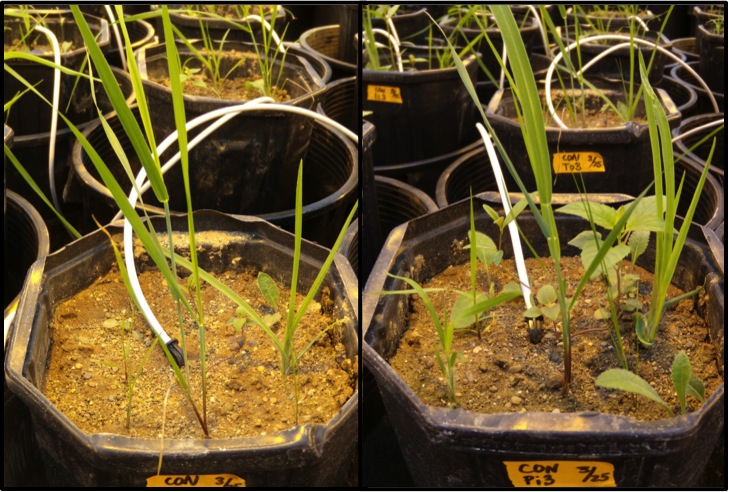
Variation in soil microbial communities leads to variation in plant communities

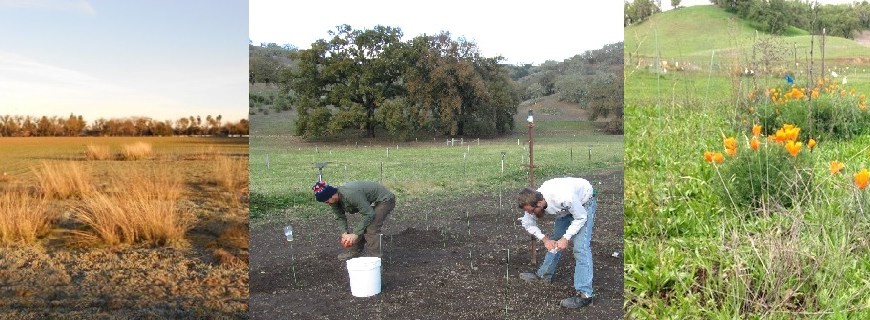
In the latest in our series of blogs for the Toward prediction in the restoration of biodiveristy Special Feature, Jonathan Bauer discusses his article, Effects of between-site variation in soil microbial communities and plant-soil feedbacks on the productivity and composition of plant communities. All articles from the Special Feature are available in issue 54.4 of Journal of Applied Ecology. Microorganisms in the soil have strong effects on plant … Continue reading Variation in soil microbial communities leads to variation in plant communities

Resilience: advancing a deceptively simple concept

The latest in our series of blogs to accompany the Special Feature, Toward prediction in the restoration of biodiveristy, is written by Loralee Larios. Loralee’s article, Where and how to restore in a changing world: a demographic-based assessment of resilience, is published in the Journal of Applied Ecology. The unprecedented rates at which natural systems have been altered have prompted a parallel increase in restoration efforts to … Continue reading Resilience: advancing a deceptively simple concept

A common currency for connecting the goals of restoration: plant traits can help us understand how plant communities form and help ecosystems function

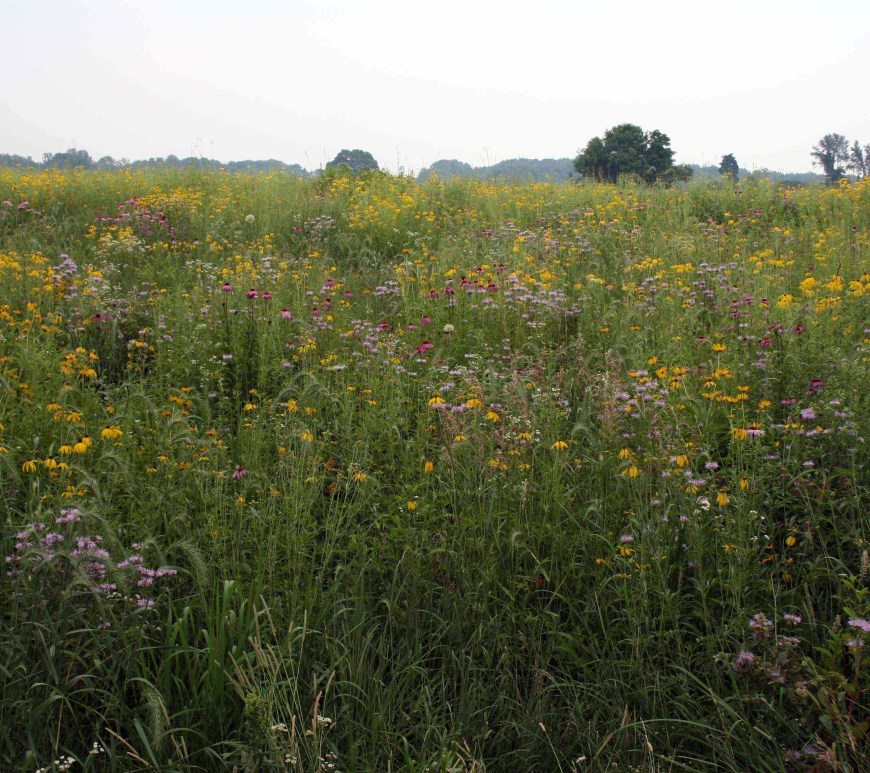
For the latest post in our Toward prediction in the restoration of biodiversity series, Chad Zirbel turns to tallgrass prairies to examine the role of plant traits in predicting restoration outcomes. Chad and colleagues’ paper, Plant functional traits and environmental conditions shape community assembly and ecosystem functioning during restoration, is available in the Journal of Applied Ecology. Two of the major goals of restoration are … Continue reading A common currency for connecting the goals of restoration: plant traits can help us understand how plant communities form and help ecosystems function

Every restoration is unique

In the second of our series of blogs to accompany the recently-published Special Feature, Toward prediction in the restoration of biodiversity, Katharine Stuble describes her work in Every restoration is unique: testing year effects and site effects as drivers of initial restoration trajectories. Restoration practitioners are acutely aware that the outcomes of their efforts are strongly contingent on a slew of factors.  Some are well … Continue reading Every restoration is unique

Wet wetlands restore better

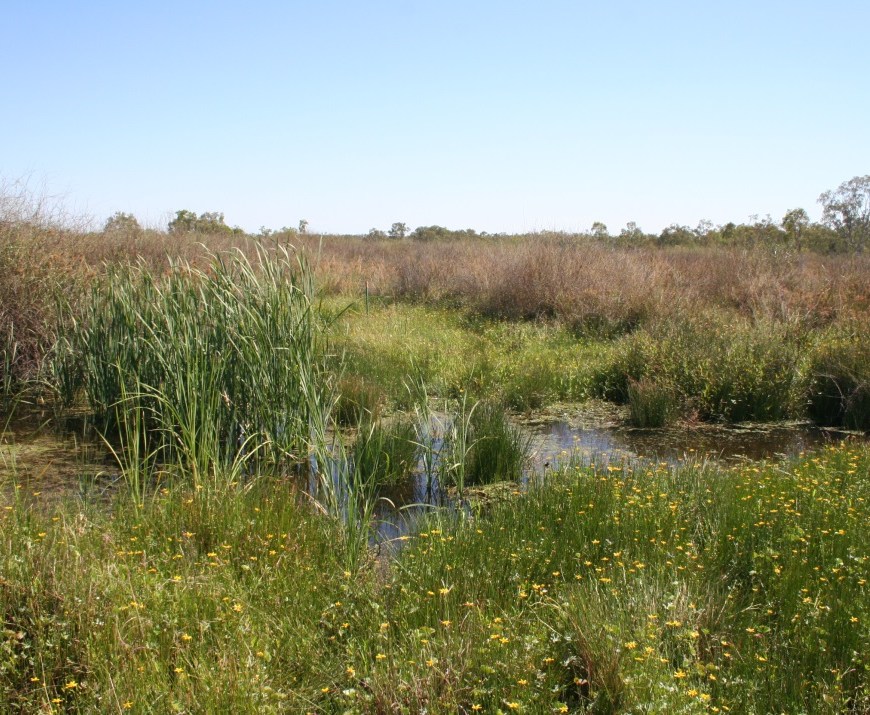
With Plant Conservation Day in mind, Samantha Dawson’s post discusses characteristics of wetland plants and her new paper, Plant traits of propagule banks and standing vegetation reveal flooding alleviates impacts of agriculture on wetland restoration. Many of the world’s wetlands are highly degraded and they are one of the most threatened types of ecosystems. To attempt to halt or reverse this trend, there are lots of … Continue reading Wet wetlands restore better

PODCAST: Forest restoration as a double-edged sword

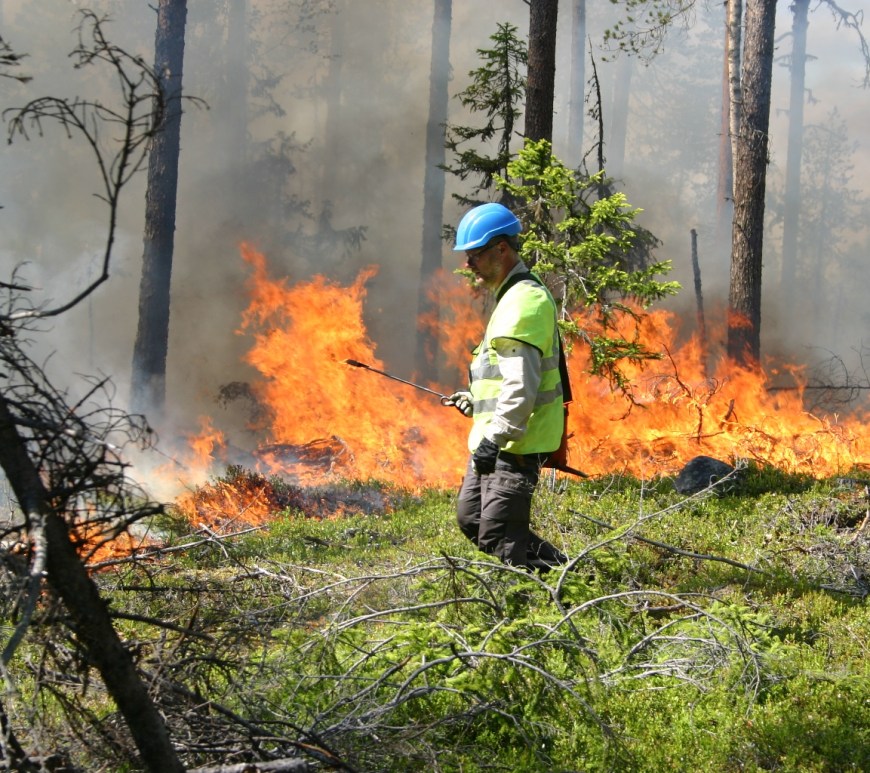
In this podcast Simon Kärvemo discusses his paper ‘Forest restoration as a double-edged sword: the conflict between biodiversity conservation and pest control’ published today in Journal of Applied Ecology. Forest fires create open patches and dead wood – both factors that favour biodiversity, but using fire as a restoration tool is both risky and requires a lot of work and planning. What if we could … Continue reading PODCAST: Forest restoration as a double-edged sword

Forests in 3D

In this post Markus Eichhorn discusses his new article ‘Effects of deer on woodland structure revealed through terrestrial laser scanning‘ About the video: Three-dimensional reconstruction of a transect from Wyre Forest, an area of high deer density. The central 10 X 50 m plot is surrounded by a large number of points which were not used in the analyses. Survey apparatus is still visible. Points … Continue reading Forests in 3D

Considering animal behaviour to improve ecological restoration

In this post Robin Hale discusses his Review paper with Stephen Swearer ‘When good animals love bad restored habitats: how maladaptive habitat selection can constrain restoration‘ Restoration is vital to offset the effects of habitat loss on biodiversity Recent biodiversity assessments paint a bleak picture. For example, vertebrates have suffered dramatic population declines (e.g. by 58% since 1970) and been lost at 100 times the … Continue reading Considering animal behaviour to improve ecological restoration

Finding missing branches: Phylogenetic patterns of plant community diversity in restored and remnant tallgrass prairies

To round off our series of posts from the Special Feature, Toward prediction in the restoration of biodiversity, we’re sharing Rebecca Barak’s post from earlier this year on her article Restored tallgrass prairies have reduced phylogenetic diversity compared with remnants.  Tallgrass prairie is one of the most endangered habitats on earth. In my home state of Illinois, USA, back in 1820, almost 60% of the state was … Continue reading Finding missing branches: Phylogenetic patterns of plant community diversity in restored and remnant tallgrass prairies

Measuring dark diversity: what do we know and where do we go from here?

In this post Chris Wilson (The Flory Lab) discusses a recent article from Jesper Moeslund and colleagues ‘Using dark diversity and plant characteristics to guide conservation and restoration‘ Central to ecology and conservation biology is the quest to understand and, more importantly, conserve biodiversity. However, generally you can’t manage what you can’t measure, and you can’t measure what you can’t define! Biodiversity is traditionally defined … Continue reading Measuring dark diversity: what do we know and where do we go from here?