Measuring ecosystem functioning to assess river restoration success

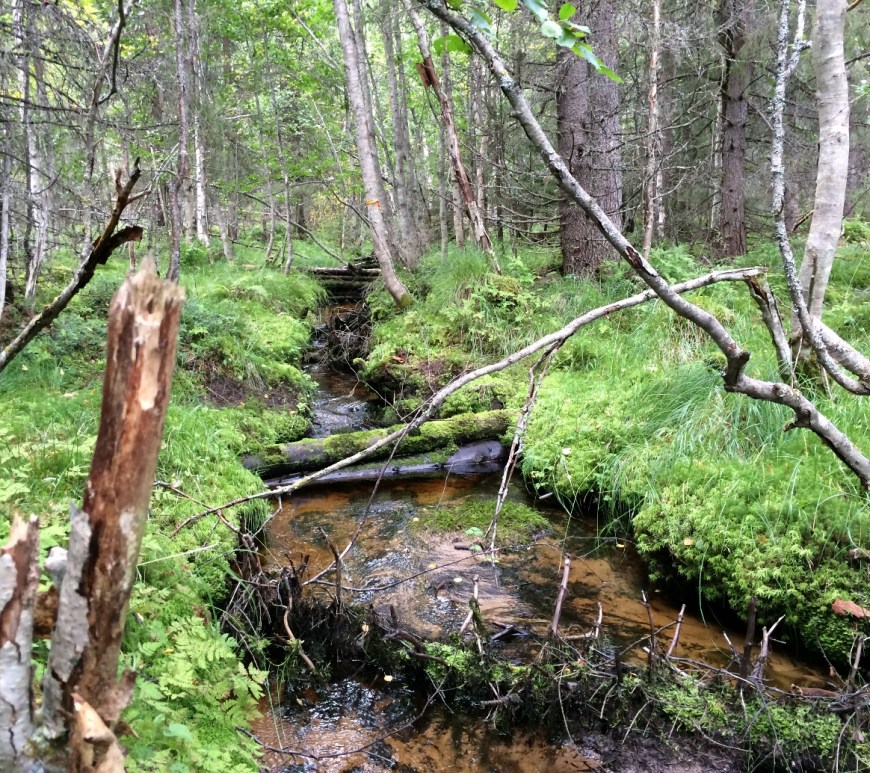
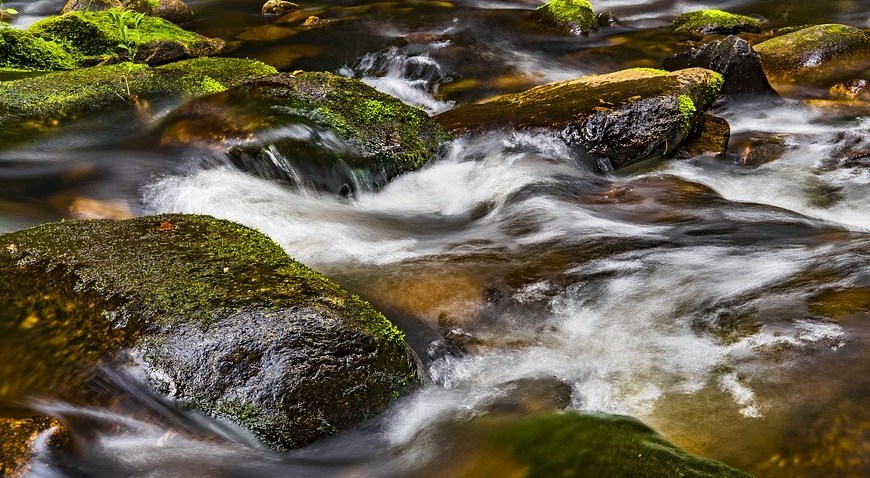
Shortlisted for this year’s Southwood Prize early career researcher award, André Frainer talks us through his work on river restoration and habitat heterogeneity. When rivers are drained, dredged, channelised, or altered in a thousand different ways, they face an almost imminent loss of biodiversity and important ecological functions. This is often a consequence of the loss of habitat diversity and the fauna and flora that … Continue reading Measuring ecosystem functioning to assess river restoration success

Trophic rewilding: restoring top-down food web processes to promote self-managing ecosystems

Continuing our series on rewilding, Jens-Christian Svenning from the Center for Biodiversity Dynamics in a Changing World, Aarhus University, focuses in on trophic rewilding. Here he considers the foundations and open-ended nature of this approach, and explains why there is still plenty of room for more research in this area. There is rapidly increasing interest in rewilding as an alternative to more human-controlled approaches to … Continue reading Trophic rewilding: restoring top-down food web processes to promote self-managing ecosystems

A new method for predicting time to recovery during restoration

Associate Editor, Lars Brudvig looks at the recently published Review, Advancing restoration ecology: A new approach to predict time to recovery by Rydgren et al. Restoring degraded ecosystems is a global priority, hailed for its potential to recover biodiversity and promote ecosystem functioning and services. Yet successful restoration doesn’t happen overnight. It may take years, decades, or longer for restoration projects to meet their goals … Continue reading A new method for predicting time to recovery during restoration

The spontaneous recovery of Neotropical savannas in abandoned pastures – A recuperação espontânea de savanas neotropicais em pastagens abandonadas

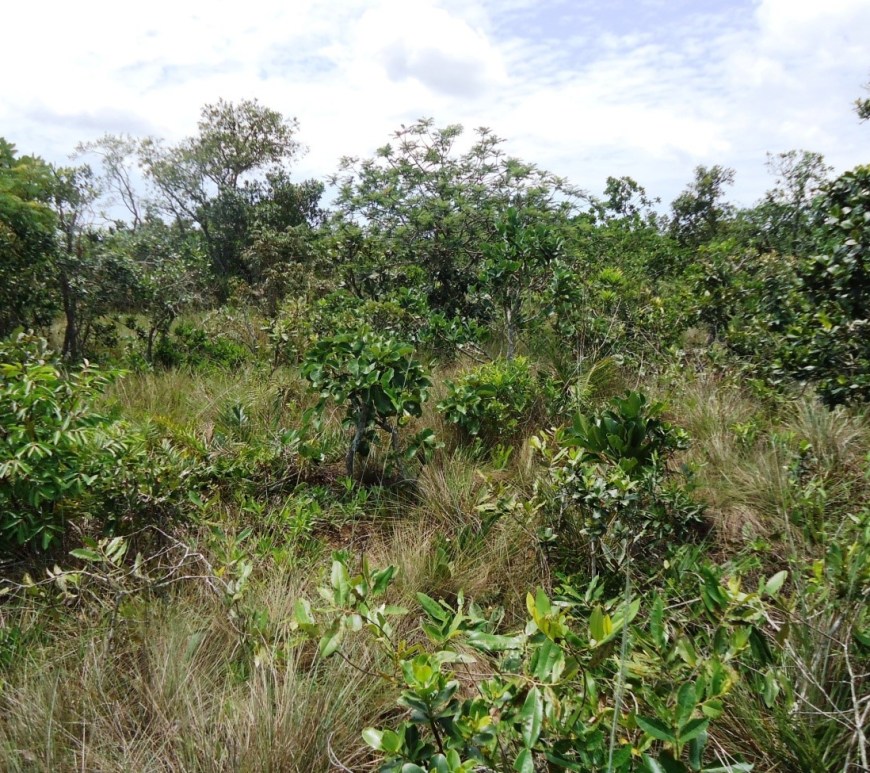
Mario Cava comments on the article, Abandoned pastures cannot spontaneously recover the attributes of old-growth savannas, published in Journal of Applied Ecology. The authors have also provided a Portuguese translation of this post. Old-growth savannas are ancient fire-prone systems, with high endemism and species diversity. The richness of these systems is mainly represented by the ground layer. In the Brazilian Cerrado, for example, for each tree … Continue reading The spontaneous recovery of Neotropical savannas in abandoned pastures – A recuperação espontânea de savanas neotropicais em pastagens abandonadas

Prioritising local habitat quality for woodland hoverflies

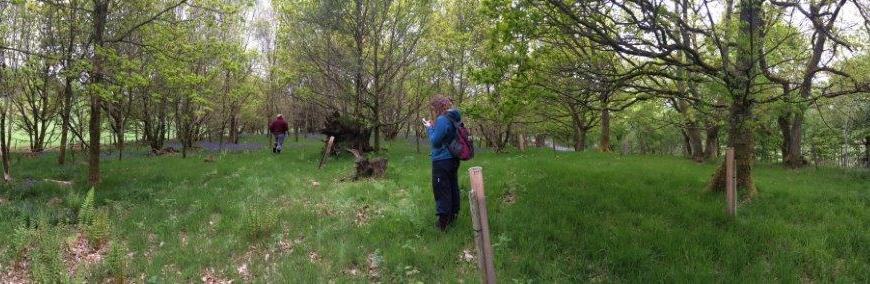
Kirsty Park and colleagues discuss the importance of habitat quality in restoration efforts. Read the full article, Local-scale attributes determine the suitability of woodland creation sites for Diptera in Journal of Applied Ecology. To benefit woodland-associated Diptera, and in particular hoverflies, woodland creation and restoration efforts should focus on ‘habitat quality’, in particular to ensure a diverse tree and understory vegetation structure. These are the findings … Continue reading Prioritising local habitat quality for woodland hoverflies

Abandoned pastures regenerate to low diversity forests without intervention

To start the week, Associate Editor, Cate Macinnis-Ng comments on the recently published article, Abandoned pastures cannot spontaneously recover the attributes of old-growth savannas by Cava et al. Savanna ecosystems of the seasonally dry tropics cover almost 20% of the earth’s land area. Maintenance of biodiversity in savannas relies on the right amounts of grazing and fire. While overgrazing of savannas is a common threat, … Continue reading Abandoned pastures regenerate to low diversity forests without intervention

Finding evidence for land restoration strategies

Restoration has never been more important, with almost a third of the world’s land surface degraded. But what exactly is restoration? And how do we know if it works? Madelon Lohbeck continues our Special Feature series on Functional traits in agroecology. Read the full article, Trait-based approaches for guiding the restoration of degraded agricultural landscapes in East Africa. More than 1.5 billion of the world’s poorest … Continue reading Finding evidence for land restoration strategies

Editor’s Choice 54:6 – Managing urban green spaces to accommodate growth without sacrificing ecosystem services

The final Editor’s Choice of 2017 is written by Associate Editor, Joseph Bennett. The article chosen is Urban development, land sharing and land sparing: the importance of considering restoration by Collas et al. The land sparing versus land sharing debate is one of the best known and most controversial topics in conservation biology. Advocates for land sparing argue that ecological and human needs are best balanced … Continue reading Editor’s Choice 54:6 – Managing urban green spaces to accommodate growth without sacrificing ecosystem services

Putting ecology theory to work: trends and opportunities in ecological restoration

Following her recently published Review, Links between community ecology theory and ecological restoration are on the rise, author Claire E. Wainright discusses taking a global perspective on restoration ecology. Community ecology and restoration ecology are often considered complementary fields. Ecologists recognize that the science of ecology provides solid conceptual foundations on which to construct hypothesis-driven restoration research. By extension, restoration offers unique opportunities to empirically … Continue reading Putting ecology theory to work: trends and opportunities in ecological restoration

Looking beyond boulders and logs in boreal stream restoration

Our new latest issue features the article, Differential responses by stream and riparian biodiversity to in-stream restoration of forestry-impacted streams by Turunen and colleagues. Here, Associate Editor, David Moreno Mateos shares his views on the challenges of stream restoration. Stream restoration is just not possible today. At least, if your plan is to just drop a bunch of rocks or logs into the creek. Turunen … Continue reading Looking beyond boulders and logs in boreal stream restoration